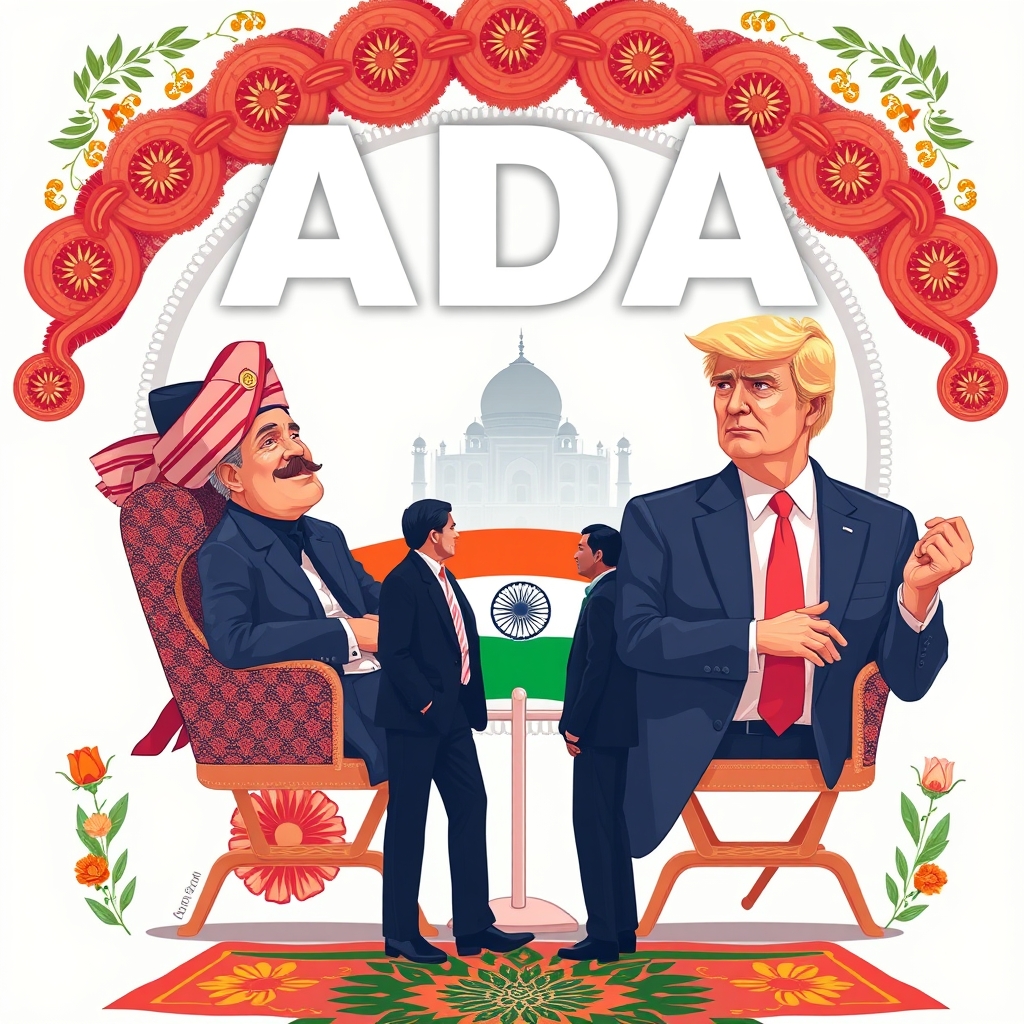
Tucker Carlson vs Trump: Growing Rift Over Iran Policy and US Stability
The internal friction within the American right has reached a boiling point as media heavyweight Tucker Carlson publicly rebukes President Donald Trump over his aggressive rhetoric toward Iran. This growing fracture within the MAGA movement signals a potential shift in how the United States handles Middle Eastern volatility and long-term foreign interventions.
The Critique: "Strong People Don’t Brag"
During a recent appearance on the "Jack Neel Podcast," Tucker Carlson launched a scathing critique of President Trump’s approach to the ongoing Iran-US conflict. Carlson specifically targeted Trump’s repeated threats to "destroy Iran’s entire civilization" or initiate massive bombing campaigns unless a ceasefire is reached.
Carlson characterized these threats as empty gestures designed to project an illusion of strength rather than actual strategic resolve. Drawing on a boxing metaphor, Carlson argued that "strong people don’t brag about how strong they are," suggesting that Trump’s habit of making intimidating comments—only to walk them back later—undermines American credibility. This critique follows a period of intense escalation, including the June 2025 bombing of Iran’s nuclear facilities, an event Carlson claims was a strategic blunder that damages the very foundations of the MAGA movement.
A MAGA Movement in Disarray
The tension between Carlson and Trump represents more than just a personal spat; it signifies a fundamental ideological rift regarding American isolationism versus interventionism. Carlson, once a primary voice supporting the Trump administration, has expressed regret over his 2024 endorsement. He argued that by engaging in the Iran war, the administration is prioritizing foreign interests over domestic American stability.
Carlson’s frustration has expanded beyond the President himself, as he recently indicated he may distance himself from the Republican Party entirely. By claiming there is "no future" for the MAGA movement under the current trajectory of foreign conflict, Carlson is signaling to a large segment of the American electorate that the movement's original "America First" promise is being diluted by Middle Eastern entanglements.
Strategic Implications of US Political Volatility
As the US domestic political landscape becomes increasingly unpredictable, the world is watching the potential for erratic foreign policy shifts. Trump’s "threat-and-retreat" pattern, as described by Carlson, creates a climate of uncertainty in global diplomacy. When a superpower's leadership oscillates between threats of total war and sudden de-escalation, it complicates the strategic calculations of all regional powers, particularly those navigating the delicate balance of power in West Asia and the Indian Ocean.
What It Means for India
- Energy Security Risks: Continued instability in the Middle East due to unpredictable US-Iran escalations poses a direct threat to global oil prices, which remains a critical concern for India’s macroeconomic stability and inflation management.
- Navigating Unpredictability: The rift between key American political figures suggests that India must continue to diversify its strategic partnerships and maintain "multi-aligned" diplomacy to hedge against sudden shifts in US foreign policy.
- Regional Maritime Security: Any escalation in the Iran conflict could increase volatility in the Strait of Hormuz and the Arabian Sea, necessitating heightened vigilance for the Indian Navy to ensure the security of vital trade routes.