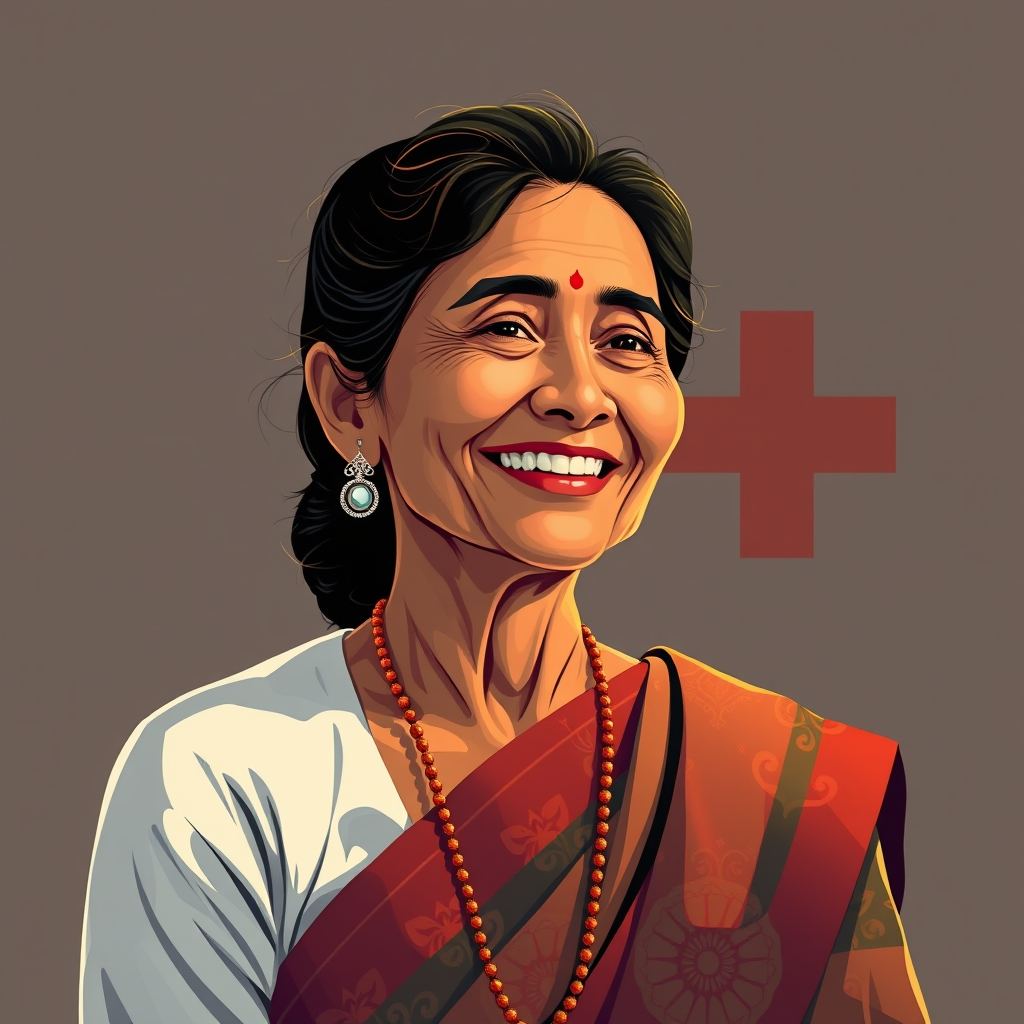
昂山素季于周一会见了红十字国际委员会(ICRC)的一名代表,这是自2021年2月军方夺取政权以来的首次公开露面。军政府的总统新闻与信息局发布了照片,显示素季面带微笑,与阿诺德·德·贝克(Arnaud de Baecque)握手,并切开了一个写有“素季阿姨,生日快乐”的粉色生日蛋糕。这些图像提供了对其健康状况的罕见视觉确认,并暗示军政府的人道主义立场可能发生转变。
此次会面的重要性
ICRC的访问遵循其针对被剥夺自由人员的标准协议,但照片显示素季在6月份迎来81岁生日之际精神状态良好。对于缅甸危机的观察者来说,看到这位诺贝尔奖得主平安健在,为数月来关于她健康状况的猜测提供了一丝短暂的宽慰。
孤立与压力的背景
自2021年2月政变以来,国家管理委员会面临着严厉的国际制裁和外交孤立。素季之子金·阿里斯(Kim Aris)以及全球民主活动人士要求提供其健康证明的呼声,加剧了外界对军政府对待政治犯方式的审查。ICRC的介入符合监测被拘留者的法律和人道主义要求,但该组织对私人讨论内容保持保密,这使得分析人士只能从公开展示中推测其意图。
军政府决定发布这些照片不太可能是随机的行为。随着定于2025年举行的存在争议的选举,军方似乎渴望展示一种“常态化”的假象,以期缓解外部压力。通过允许受国际尊重的国际人道主义机构进入监狱,该政权可以在不做出更广泛政治让步的情况下,声称自己遵守了基本的人权准则。
反对派与国际反应
声称自己是流亡合法政府的全国团结政府(NUG)将此次会面斥为肤浅的公关噱头。其成员认为,除非素季和其他政治被拘留者获得无条件释放,否则任何人道主义姿态都毫无意义。联合国也表达了同样的立场,呼吁开展透明的政治进程,并让缅甸各方进行对话,以解决引发内战和大规模人道主义危机的冲突。
这些批评凸显了一个核心矛盾:军政府可以在拒绝解决引发叛乱和流离失所的根本政治诉求的同时,展示有限的人道主义准入。ICRC的存在并不能改变该国仍处于军方控制下的事实,也不能保证广大监狱人口能获得更好的待遇。
地区动态与东盟的角色
此次会面发生之际,东南亚国家联盟(ASEAN)正面临着执行“五点共识”的内部压力,该路线图包括停火、人道主义援助和政治对话。缅甸向ICRC伸出橄榄枝,可能是试图释放出愿意与地区邻国接触的信号,并打破阻碍其贸易和援助获取的外交封锁。
这究竟是一个真正的转机,还是一个为了争取时间的算计,目前尚不确定。东盟成员国将关注后续行动:更多的ICRC访问、其他政治犯的释放,或是在实现共识的政治组成部分方面采取任何具体步骤。
印度可能获得——或失去什么
印度的“东向行动”政策将缅甸的稳定置于其战略考量的核心。围绕素季与ICRC会面的进展,涉及到了印度的三个主要关切:
- Border security and stability – Instability in Myanmar spills over the porous Indo-Myanmar border, fueling insurgent activity and refugee flows. A more predictable political environment could reduce cross-border violence and the humanitarian burden on Indian border states.
- Balancing regional influence – As Myanmar seeks to navigate isolation, both the military junta and democratic factions vie for external support. India must engage the junta enough to protect its security interests while keeping channels open to the NUG and civil society, lest rival powers fill the vacuum.
- Humanitarian and diplomatic leverage – The visibility of Suu Kyi offers India a discreet diplomatic lever. As a non-Western power that has avoided imposing sanctions, New Delhi can position itself as a facilitator of humanitarian access, potentially gaining goodwill and influence in post-conflict negotiations.
What to watch next
- Further ICRC activity – Additional visits could reveal the health status of other detainees and test the junta’s willingness to permit independent monitoring.
- ASEAN’s enforcement of the Five-Point Consensus – Concrete steps, such as a ceasefire or release of political prisoners, would indicate whether humanitarian gestures are translating into political movement.
- India’s diplomatic outreach – Quiet engagements with both the junta and opposition groups, possibly framed around humanitarian assistance, will illustrate how New Delhi balances security imperatives with its broader regional ambitions.
- The 2025 election timeline – Any shift in the junta’s approach to elections—postponement, cancellation, or a credible process—will reshape the strategic landscape for neighboring countries.
The Red Cross visit does not resolve Myanmar’s deep-seated crisis, but it punctuates a moment where the military regime allows a sliver of international scrutiny. For India, the episode is a reminder that humanitarian openings can double as diplomatic footholds, offering a chance to shape outcomes in a country where the stakes are both human and strategic.