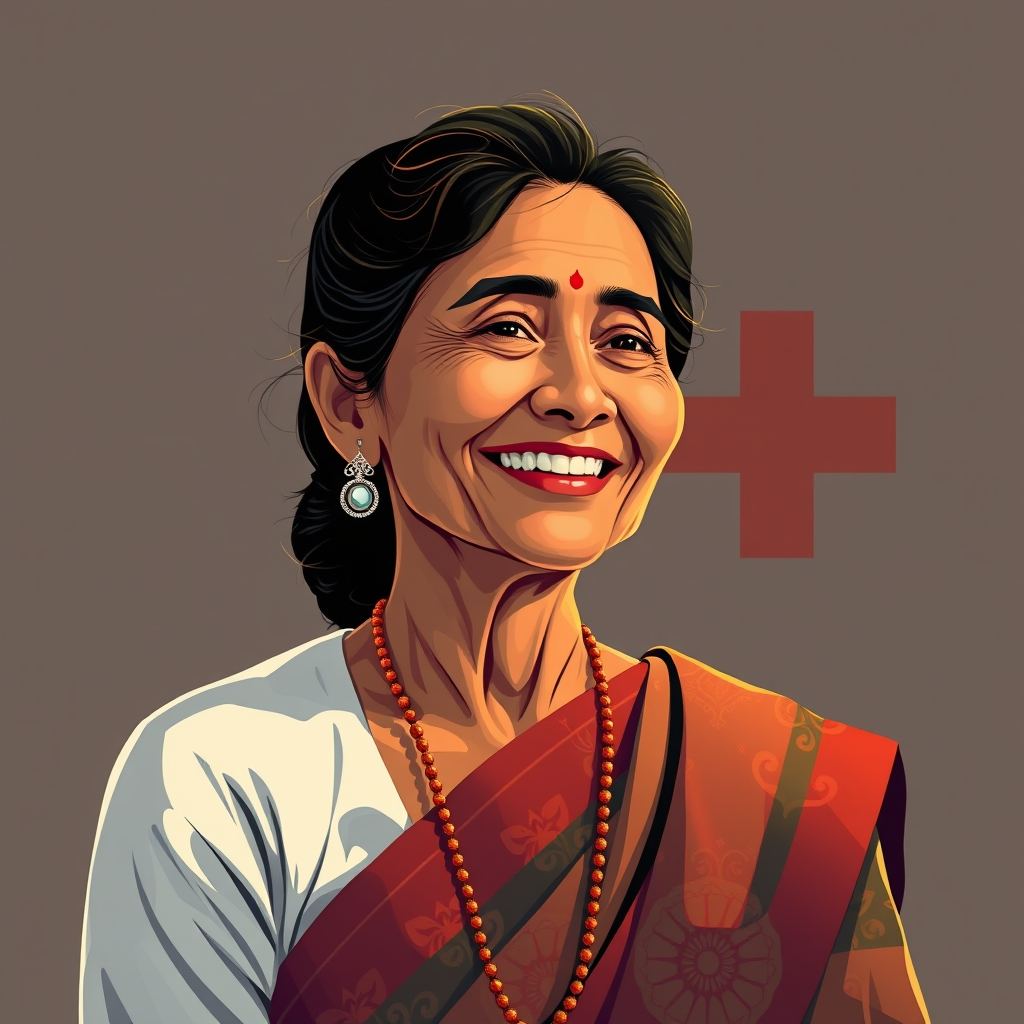
Aung San Suu Kyi met an International Committee of the Red Cross (ICRC) representative on Monday, marking her first public appearance since the military seized power in February 2021. The junta’s Presidential Press and Information Bureau released photographs showing Suu Kyi smiling, shaking hands with Arnaud de Baecque, and cutting a pink birthday cake that reads “Happy Birthday Aunty Suu.” The images give a rare visual check on her condition and hint at a possible shift in the junta’s humanitarian posture.
Why the meeting matters
The ICRC visit follows its standard protocol for people deprived of liberty, yet the photos show Suu Kyi in good spirits on the occasion of her 81st birthday in June. For observers of Myanmar’s crisis, seeing the Nobel laureate alive offers a fleeting respite from months of speculation about her health.
The backdrop of isolation and pressure
Since the February 2021 coup, the State Administration Council has faced heavy international sanctions and diplomatic isolation. Calls from Suu Kyi’s son, Kim Aris, and global democracy activists for proof of her well-being have intensified scrutiny of the junta’s treatment of political prisoners. The ICRC’s involvement meets a legal and humanitarian requirement to monitor detainees, but the organization keeps its private discussions confidential, leaving analysts to infer intent from the public display.
The junta’s decision to release the photographs is unlikely to be random. With a contested election slated for 2025, the military appears eager to project a veneer of “normalcy” that might ease external pressure. By allowing an internationally respected humanitarian body into the prison, the regime can claim compliance with basic human-rights norms without offering broader political concessions.
Opposition and international reactions
The National Unity Government (NUG), which claims legitimacy as the elected government in exile, dismissed the meeting as a superficial PR stunt. Its members argue that any humanitarian gesture is meaningless unless Suu Kyi and other political detainees are released unconditionally. The United Nations echoed this stance, calling for a transparent political process and dialogue among all Myanmar parties to resolve the conflict that has spawned civil war and a massive humanitarian crisis.
These criticisms highlight a core tension: the junta can showcase limited humanitarian access while refusing to address the root political grievances that fuel insurgency and displacement. The ICRC’s presence does not change the fact that the country remains under military control, nor does it guarantee better conditions for the broader prison population.
Regional dynamics and ASEAN’s role
The encounter arrives as the Association of Southeast Asian Nations (ASEAN) faces internal pressure to enforce the Five-Point Consensus, a roadmap that includes ceasefire, humanitarian aid, and political dialogue. Myanmar’s outreach to the ICRC may be an attempt to signal willingness to engage with regional neighbors and to break the diplomatic blockade that has hampered its access to trade and aid.
Whether this is a genuine opening or a calculated move to buy time remains uncertain. ASEAN members will watch for follow-up actions: additional ICRC visits, the release of other political prisoners, or any concrete steps toward the consensus’s political component.
What India stands to gain—or lose
India’s “Act East” policy places stability in Myanmar at the heart of its strategic calculus. The developments surrounding Suu Kyi’s meeting with the ICRC intersect with three primary Indian concerns:
- Bezpieczeństwo i stabilność granic – Niestabilność w Mjanmie przenika przez porowatą granicę indyjsko-mjanmańską, napędzając działalność partyzancką i przepływy uchodźców. Bardziej przewidywalne środowisko polityczne mogłoby zmniejszyć przemoc transgraniczną oraz obciążenie humanitarne stanów przygranicznych Indii.
- Równoważenie wpływów regionalnych – W miarę jak Mjanma stara się radzić sobie z izolacją, zarówno junta wojskowa, jak i frakcje demokratyczne rywalizują o zewnętrzne wsparcie. Indie muszą angażować juntę na tyle, aby chronić swoje interesy bezpieczeństwa, jednocześnie utrzymując otwarte kanały komunikacji z NUG i społeczeństwem obywatelskim, aby uniknąć sytuacji, w której rywalizujące mocarstwa wypełnią tę próżnię.
- Dźwignia humanitarna i dyplomatyczna – Widoczność Suu Kyi oferuje Indiom dyskretne narzędzie dyplomatyczne. Jako mocarstwo niebędące z Zachodu, które unikało nakładania sankcji, Nowe Delhi może pozycjonować się jako mediator w zapewnianiu dostępu humanitarnego, potencjalnie zyskując przychylność i wpływ w negocjacjach po konflikcie.
Co obserwować dalej
- Dalsza aktywność MKCK – Dodatkowe wizyty mogą ujawnić stan zdrowia innych zatrzymanych i przetestować gotowość junty do dopuszczenia niezależnego monitoringu.
- Wdrażanie Konsensusu Pięciu Punktów przez ASEAN – Konkretne kroki, takie jak zawieszenie broni lub uwolnienie więźniów politycznych, wskazałyby, czy gesty humanitarne przekładają się na ruch polityczny.
- Indyjskie działania dyplomatyczne – Ciche zaangażowanie zarówno wobec junty, jak i grup opozycyjnych, możliwe że w ramach pomocy humanitarnej, pokaże, jak Nowe Delhi równoważy imperatywy bezpieczeństwa ze swoimi szerszymi ambicjami regionalnymi.
- Harmonogram wyborów na rok 2025 – Każda zmiana w podejściu junty do wyborów — odroczenie, odwołanie lub wiarygodny proces — zmieni krajobraz strategiczny dla sąsiednich krajów.
Wizyta Czerwonego Krzyża nie rozwiązuje głęboko zakorzenionego kryzysu w Mjanmie, ale wyznacza moment, w którym reżim wojskowy pozwala na odrobinę międzynarodowego nadzoru. Dla Indii ten epizod jest przypomnieniem, że otwarcie humanitarne może służyć również jako przyczółek dyplomatyczny, oferując szansę na kształtowanie wyników w kraju, gdzie stawka jest zarówno ludzka, jak i strategiczna.