Tensions Flare as Iran’s Supreme Leader Funeral Turns Anti-US
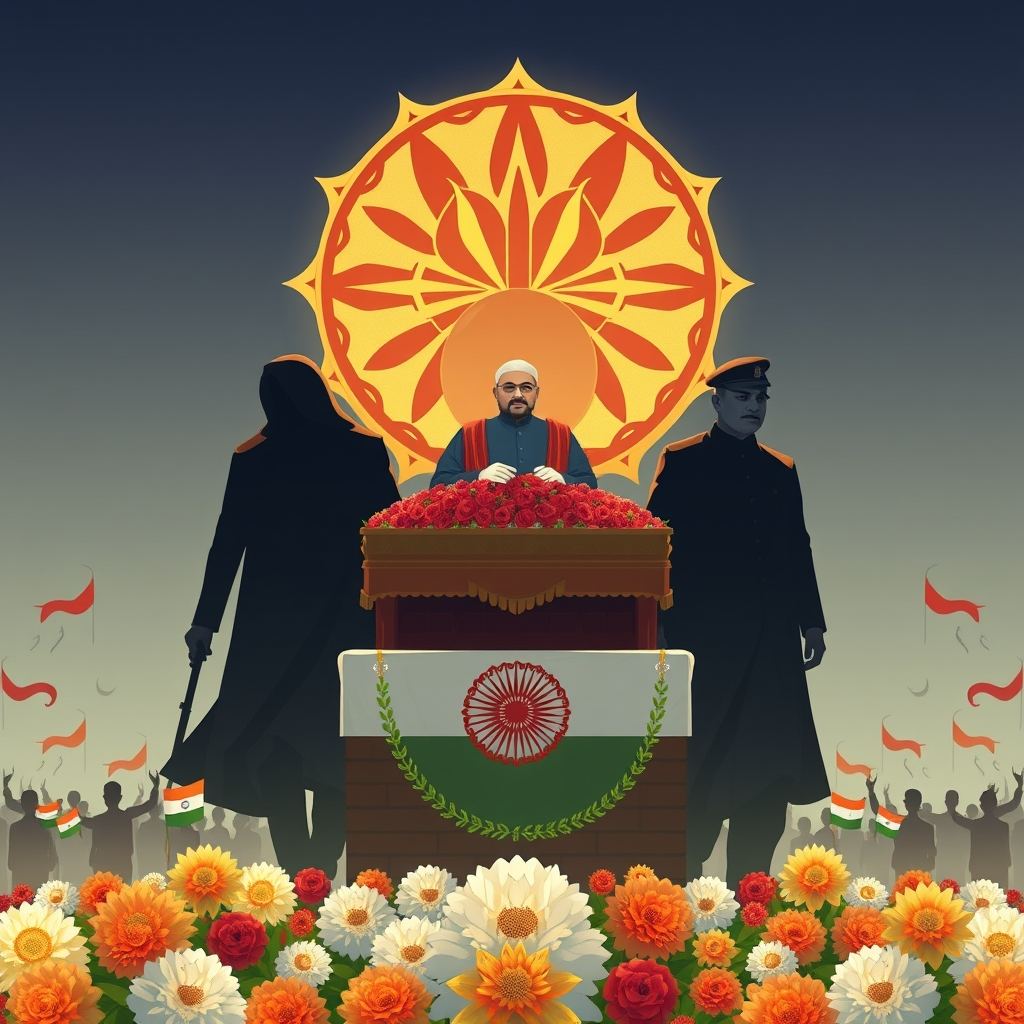
The funeral ceremonies for Iran's late Supreme Leader, Ayatollah Ali Khamenei, have taken a volatile turn as public displays of grief are increasingly overshadowed by intense anti-American sentiment. Amidst a massive gathering in Tehran, rhetoric calling for the death of U.S. President Donald Trump has signaled a deepening rift between Washington and Tehran during an ongoing period of regional conflict.
Rhetoric and Radicalism at the Tehran Funeral
On July 5, 2026, the funeral proceedings for Ayatollah Ali Khamenei—who was killed in a February 28 airstrike that marked the onset of the Iran war—escalated in intensity. As hundreds of thousands of mourners gathered at the Imam Khomeini Grand Mosalla in Tehran, the atmosphere shifted from mourning to militant defiance.
Poet Mohammad Rasouli, addressing the massive crowd, directed personal vitriol toward U.S. President Donald Trump, questioning why the "most bastard man in the world" was still alive. These provocations, accompanied by traditional chants of “Death to America!” and “Death to Israel!”, occurred simultaneously as President Trump was delivering a speech in Washington for the 250th anniversary of U.S. independence. The juxtaposition of these two events highlights the profound ideological and military chasm currently separating the two nations.
A Transition of Power Amidst War
The funeral marks a critical juncture for the Islamic Republic. Following the death of the 86-year-old Khamenei, the mantle of leadership is expected to pass to his son, Ayatollah Mojtaba Khamenei. This transition is occurring under the shadow of active warfare and significant political instability.
High-ranking Iranian officials, including President Masoud Pezeshkian, Parliament Speaker Mohammad Baqer Ghalibaf, and Head of Judiciary Gholamhossein Mohseni Ejei, have all been present to pay their respects. The state is currently attempting to consolidate power under the new leadership while simultaneously leveraging its strategic position over the Strait of Hormuz to negotiate a permanent end to the ongoing conflict with U.S.-led forces and Israel.
Global Reactions and Diplomatic Presence
Despite the intense regional volatility, the funeral has seen participation from various international leaders, reflecting the complex web of Middle Eastern geopolitics. Pakistan’s Prime Minister Shehbaz Sharif and Army Chief Asim Munir were among those offering prayers, while Afghanistan’s Taliban Foreign Minister Amir Khan Muttaqi also attended.
Notably, the Indian delegation was represented by Minister of State for External Affairs Pabitra Margherita and Bihar Governor Syed Ata Hasnain, as well as People's Democratic Party Chief Mehbooba Mufti. Their presence underscores India's longstanding diplomatic engagement with Iran, even as the country navigates a period of extreme military tension and leadership succession.
What It Means for India
- Energy Security Risks: The heightened rhetoric and the potential for Iran to leverage its control over the Strait of Hormuz increase the risk of maritime disruptions, which could lead to volatile oil prices affecting India's economy.
- Diplomatic Balancing Act: India’s presence at the funeral highlights New Delhi's need to maintain a nuanced diplomatic relationship with Tehran, balancing its strategic partnership with Iran against its growing defense and technological ties with the United States.
- Regional Stability Concerns: The transition to Mojtaba Khamenei amidst an active war could lead to an unpredictable shift in Iranian foreign policy, necessitating heightened vigilance by Indian intelligence and strategic planners regarding West Asian stability.