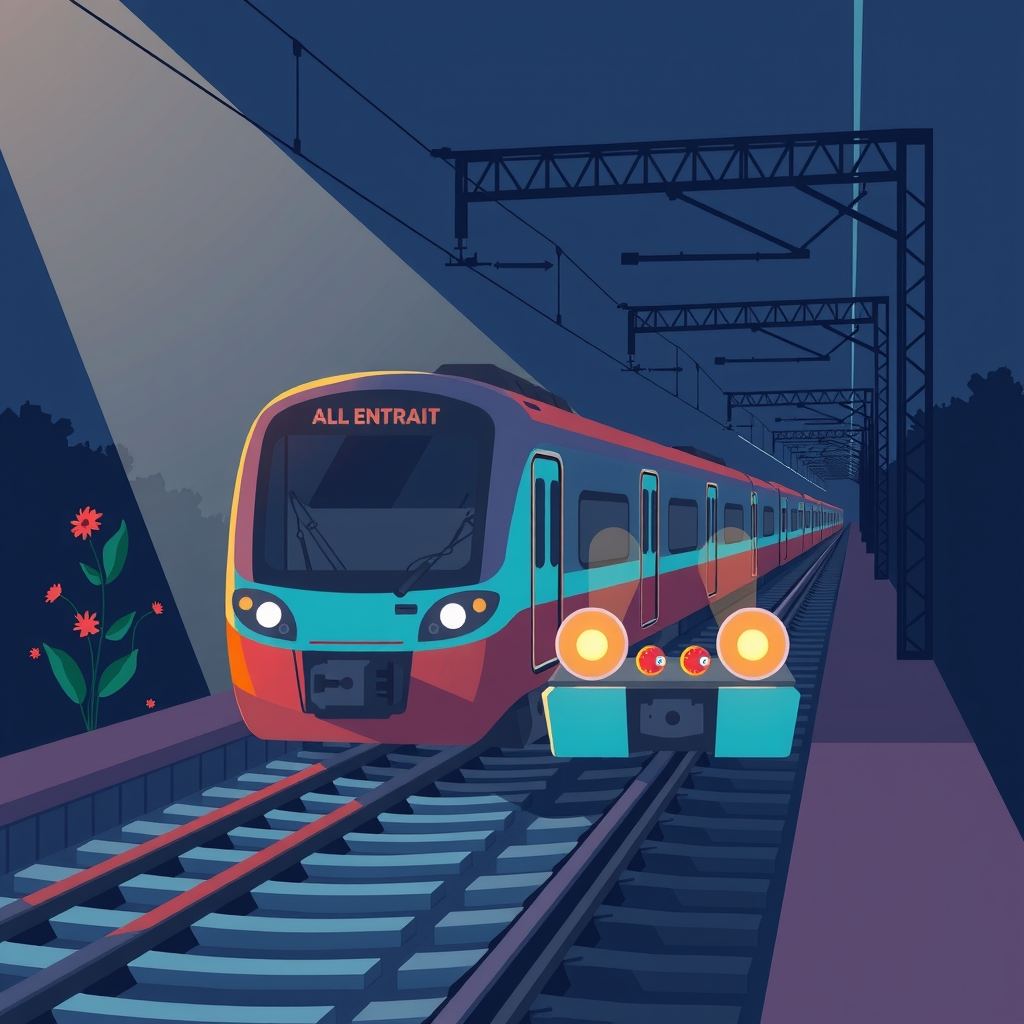
A train traveling between Rouen and Caen derailed near the town of Cleon on Friday evening. Forty-four of the 180 passengers were injured, and a helicopter rescued a victim in critical condition. Emergency crews sent 140 firefighters to the scene.
French authorities say the train struck an unidentified object on the tracks; the cause remains under investigation. SNCF halted service on the Rouen-Caen and Caen-Le Havre lines and deployed replacement buses.
Why AI-driven monitoring matters
Rail networks depend on a clean track bed, yet foreign-object debris—fallen cargo, stray vehicles, even branches—can appear without warning. Traditional inspections rely on scheduled human walks, visual checks from inspection trains, or fixed cameras that record video for later review. Those methods miss transient hazards or spot them only after a train has passed.
AI systems process sensor data in real time and flag anomalies the moment they appear. A typical deployment mounts high-resolution lidar or radar scanners on trackside posts or moving inspection vehicles and feeds the feed to computer-vision models trained to recognize shapes that don’t belong on a railway. When the algorithm spots an out-of-place object, it sends an alert to the control centre, slows or stops approaching trains, and dispatches maintenance crews to the exact GPS coordinate.
If such a system had been active on the Normandy line, the obstacle that forced the train off the rails could have been identified minutes—or seconds—before the train arrived, giving operators a chance to intervene.
The broader context
Europe’s railways are under pressure to move more passengers and freight as governments push for greener transport. France, with one of the continent’s most extensive high-speed and regional networks, markets safety as a core public-service value. Incidents like the Cleon derailment expose a vulnerability that technology could mitigate.
Rail operators worldwide are already testing AI-enabled monitoring. In several Asian countries, pilots use drone-based aerial surveys that feed video into neural-network classifiers, producing live maps of track conditions. In the United States, freight railroads have installed wayside lidar that continuously scans for track-side intrusions and links to automated braking systems.
Early lidar-based obstacle-detection kits cost several hundred thousand euros per kilometre. Recent advances in sensor miniaturisation and cloud-based model serving have driven that price down dramatically—a cost many operators can amortise over a few years given the avoided expenses of accidents, service disruptions, and liability claims.
Who gains, who bears the risk
Rail operators could cut accident-related downtime and protect their reputation. Savings would come from fewer emergency repairs, lower insurance premiums, and more reliable schedules.
Passengers would enjoy smoother, safer journeys. The 44 injuries and one critical case in Normandy might have been avoided, sparing lives and trauma.
Governments and regulators would gain clearer compliance evidence. AI monitoring can generate audit trails that demonstrate proactive safety management, simplifying the path to meet national and European directives.
Technology providers stand to tap a market worth billions of euros across Europe, Asia, and North America as operators shift from manual inspection regimes to AI platforms.
Adoption is not frictionless. Continuous video streams raise data-privacy concerns, potentially capturing people on adjacent properties. Algorithmic bias can trigger false positives, causing unnecessary service interruptions that erode passenger confidence. Integration complexity forces legacy signalling systems to be retrofitted for real-time hazard inputs without compromising existing safety interlocks.
What the French investigation reveals
SNCF and French police will examine whether the object resulted from vandalism, a fallen cargo container, or a maintenance lapse. If investigators find the object entered the track corridor through an unsecured access point, the case will highlight the need for better perimeter security in addition to detection. If the object was a transient natural hazard—like a fallen branch—AI sensors that differentiate static infrastructure from moving debris would have been especially valuable.
Rouen-Caen ಮತ್ತು Caen-Le Havre ಸೇವೆಗಳನ್ನು ಸ್ಥಗಿತಗೊಳಿಸುವುದು ಒಂದು ಘಟನೆಯು ಹೇಗೆ ಇಡೀ ಪ್ರಾದೇಶಿಕ ಜಾಲದ ಮೇಲೆ ಪರಿಣಾಮ ಬೀರುತ್ತದೆ ಎಂಬುದನ್ನು ತೋರಿಸುತ್ತದೆ; ಇದು ಪ್ರಯಾಣಿಕರನ್ನು ನಿಧಾನಗತಿಯ ಬಸ್ಗಳತ್ತ ತಳ್ಳುತ್ತದೆ ಮತ್ತು ಸ್ಥಳೀಯ ರಸ್ತೆ ಸಂಚಾರದ ಮೇಲೆ ಒತ್ತಡವನ್ನು ಉಂಟುಮಾಡುತ್ತದೆ. ಮುನ್ನೆಚ್ಚರಿಕೆಯಾಗಿ ಅಪಾಯಕಾರಿ ಅಂಶಗಳನ್ನು ತೆಗೆದುಹಾಕುವ ಮೂಲಕ, AI ಮೇಲ್ವಿಚಾರಣೆಯು ಆ ಮುಖ್ಯ ಮಾರ್ಗಗಳನ್ನು ಮುಕ್ತವಾಗಿಡಬಲ್ಲದು ಮತ್ತು ರೈಲ್ವೆಯು ಬೆಂಬಲಿಸುವ ಆರ್ಥಿಕ ಚಲನಶೀಲತೆಯನ್ನು ಕಾಪಾಡಬಲ್ಲದು.
ವಿರೋಧಾತ್ಮಕ ವಾದ: ತಂತ್ರಜ್ಞಾನವು ಎಲ್ಲಾ ಸಮಸ್ಯೆಗಳಿಗೂ ಒಂದೇ ಪರಿಹಾರವಲ್ಲ
AI ಮೇಲೆ ಅತಿಯಾದ ಅವಲಂಬನೆಯು ಮಾನವ ನಿರ್ವಾಹಕರಲ್ಲಿ ಅಸಡ್ಡೆಯನ್ನು ಉಂಟುಮಾಡಬಹುದು ಎಂದು ವಿಮರ್ಶಕರು ಎಚ್ಚರಿಸುತ್ತಾರೆ. ಒಂದು ವ್ಯವಸ್ಥೆಯು ವಸ್ತುವನ್ನು ಗುರುತಿಸಿದರೂ ಅದನ್ನು ತಪ್ಪಾಗಿ ವರ್ಗೀಕರಿಸಿದರೆ, ಪದೇ ಪದೇ ಸುಳ್ಳು ಎಚ್ಚರಿಕೆಗಳು ಬರುತ್ತಿರುವುದರಿಂದ ನಿರ್ವಾಹಕರು ಅದನ್ನು ನಿರ್ಲಕ್ಷಿಸಬಹುದು. AI ಮಾದರಿಗಳು ವಿಶ್ವಾಸಾರ್ಹವಾಗಿ ಕಾರ್ಯನಿರ್ವಹಿಸಲು ದೊಡ್ಡದಾದ, ಉತ್ತಮ ಗುಣಮಟ್ಟದ ಡೇಟಾ ಸೆಟ್ಗಳ ಅಗತ್ಯವಿದೆ; ಸಾವಿರಾರು ಕಿಲೋಮೀಟರ್ ಉದ್ದದ ರೈಲ್ವೆ ಹಳಿಗಳ ಉದ್ದಕ್ಕೂ ಅಂತಹ ಡೇಟಾವನ್ನು ಸಂಗ್ರಹಿಸುವುದು ಒಂದು ದೊಡ್ಡ ವ್ಯವಸ್ಥಿತ ಸವಾಲಾಗಿದೆ.
ವೆಚ್ಚ ಮತ್ತು ಅಪಾಯದ ನಡುವಿನ ಹೋಲಿಕೆಯೂ ಮತ್ತೊಂದು ಚರ್ಚೆಯ ವಿಷಯವಾಗಿದೆ. ಕಡಿಮೆ ಸಂಚಾರವಿರುವ ಪ್ರಾದೇಶಿಕ ಮಾರ್ಗಗಳಿಗೆ, ಅಪಾಯಕಾರಿ ವಸ್ತುಗಳ ಸಂಭವನೀಯತೆ ಕಡಿಮೆ ಇದ್ದಾಗ, ಸುಧಾರಿತ lidar arrays ಮತ್ತು edge-computing hardware ನಲ್ಲಿ ಮಾಡುವ ಹೂಡಿಕೆಯು ಸಮರ್ಥನೀಯವಾಗಿ ಕಾಣದಿರಬಹುದು. ಅಂತಹ ಸಂದರ್ಭಗಳಲ್ಲಿ, ಸುಧಾರಿತ ಕಾಲಕಾಲಿಕ ತಪಾಸಣೆಗಳು ಮತ್ತು ಸಾಂದರ್ಭಿಕ AI-ಚಾಲಿತ ಪರಿಶೀಲನೆಗಳ ಸಂಯೋಜನೆಯಾದ ಒಂದು ಹೈಬ್ರಿಡ್ ವಿಧಾನವು ಉತ್ತಮ ಸಮತೋಲನವನ್ನು ಸಾಧಿಸಬಹುದು.
ಮುಂದಿನ ದೃಷ್ಟಿಕೋನ: ಗಮನಿಸಬೇಕಾದ ಅಂಶಗಳು
- ನಿಯಂತ್ರಕ ಚೌಕಟ್ಟುಗಳು (Regulatory frameworks): ಹೊಸ ರೈಲ್ವೆ ಯೋಜನೆಗಳಿಗೆ AI ಆಧಾರಿತ ಅಡೆತಡೆ ಪತ್ತೆಹಚ್ಚುವಿಕೆಯನ್ನು ಕಡ್ಡಾಯಗೊಳಿಸುವಂತಹ ನವೀಕರಿಸಿದ ಸುರಕ್ಷತಾ ಮಾರ್ಗಸೂಚಿಗಳನ್ನು ಯುರೋಪಿಯನ್ ಯೂನಿಯನ್ ಹೊರಡಿಸುವ ನಿರೀಕ್ಷೆಯಿದೆ. ನಿರ್ವಾಹಕರು ತಮ್ಮ ಖರೀದಿ ಮತ್ತು ಪ್ರಮಾಣೀಕರಣ ಪ್ರಕ್ರಿಯೆಗಳನ್ನು ಇದಕ್ಕೆ ಅನುಗುಣವಾಗಿ ಹೊಂದಿಸಿಕೊಳ್ಳಬೇಕಾಗುತ್ತದೆ.
- ಡೇಟಾ ಫಾರ್ಮ್ಯಾಟ್ಗಳ ಪ್ರಮಾಣೀಕರಣ: ಸೆನ್ಸರ್ ಮಾರಾಟಗಾರರು, AI ಮಾದರಿ ಪೂರೈಕೆದಾರರು ಮತ್ತು ರೈಲ್ವೆ ಸಿಗ್ನಲಿಂಗ್ ವ್ಯವಸ್ಥೆಗಳ ನಡುವಿನ ಪರಸ್ಪರ ಕಾರ್ಯನಿರ್ವಹಣಾ ಸಾಮರ್ಥ್ಯವು (Interoperability) ನಿರ್ಣಾಯಕವಾಗಿರುತ್ತದೆ. ನಿರ್ದಿಷ್ಟ ಮಾರಾಟಗಾರರ ಮೇಲೆ ಅವಲಂಬಿತವಾಗುವುದನ್ನು ತಪ್ಪಿಸಲು ಉದ್ಯಮ ಗುಂಪುಗಳು ಸಾಮಾನ್ಯ ಇಂಟರ್ಫೇಸ್ಗಳನ್ನು ಸಿದ್ಧಪಡಿಸುತ್ತಿವೆ.
- ಪೈಲಟ್ ಯೋಜನೆಗಳ ಅನುಷ್ಠಾನ: ವಿವಿಧ ಹವಾಮಾನ ಮತ್ತು ಬೆಳಕಿನ ಪರಿಸ್ಥಿತಿಗಳಲ್ಲಿ AI ಪತ್ತೆಹಚ್ಚುವಿಕೆಯ ನಿಖರತೆಯನ್ನು ಪರೀಕ್ಷಿಸುವ ಉದ್ದೇಶದಿಂದ ಹಲವಾರು ಯುರೋಪಿಯನ್ ಕಾರಿಡಾರ್ಗಳು ಮುಂದಿನ ವರ್ಷದ ಆರಂಭದಲ್ಲಿ ಪೈಲಟ್ ಕಾರ್ಯಕ್ರಮಗಳನ್ನು ಘೋಷಿಸಿವೆ.
- ವೆಚ್ಚ-ಪ್ರಯೋಜನ ಅಧ್ಯಯನಗಳು: ಘಟನೆಗಳನ್ನು ತಪ್ಪಿಸುವುದರಿಂದ ಆಗುವ ದೀರ್ಘಕಾಲೀನ ಉಳಿತಾಯವನ್ನು ಆರಂಭಿಕ ಬಂಡವಾಳದ ವೆಚ್ಚದೊಂದಿಗೆ ಹೋಲಿಸುವ ಸ್ವತಂತ್ರ ಮೌಲ್ಯಮಾಪನಗಳು, ಹೆಚ್ಚು ಜನಸಂಖ್ಯೆ ಇರುವ ಮತ್ತು ಗ್ರಾಮೀಣ ರೈಲ್ವೆ ಜಾಲಗಳ ನಿರ್ಧಾರಗಳಿಗೆ ಮಾರ್ಗದರ್ಶನ ನೀಡಲಿವೆ.
ಸಾರಾಂಶ
ನಾರ್ಮಂಡಿ ರೈಲು ಅಪಘಾತವು ಒಂದು ಗುರುತಿಸದ ಅಡೆತಡೆಯು ಹೇಗೆ ಸಾಮಾನ್ಯ ಪ್ರಾದೇಶಿಕ ಸೇವೆಯನ್ನು ದಶಕಟ್ಟಲೆ ಜನರಿಗೆ ಗಾಯ ಮಾಡಬಲ್ಲ ಮತ್ತು ಪ್ರಮುಖ ಸಾರಿಗೆ ಮಾರ್ಗವನ್ನು ಸ್ಥಗಿತಗೊಳಿಸಬಲ್ಲ ಬಿಕ್ಕಟ್ಟನ್ನಾಗಿ ಪರಿವರ್ತಿಸಬಹುದು ಎಂಬುದನ್ನು ತೋರಿಸುತ್ತದೆ. AI ಚಾಲಿತ ಹಳಿ-ಮೇಲ್ವಿಚಾರಣೆ ಮತ್ತು ಅಡೆತಡೆ ಪತ್ತೆಹಚ್ಚುವ ವ್ಯವಸ್ಥೆಗಳು ರೈಲು ಅಲ್ಲಿಗೆ ತಲುಪುವ ಮೊದಲೇ ಅಂತಹ ಅಪಾಯಗಳನ್ನು ಪತ್ತೆಹಚ್ಚುವ ಭರವಸೆ ನೀಡುತ್ತವೆ; ಇದು ಪ್ರಾಣಗಳನ್ನು ಉಳಿಸಲು, ವೇಳಾಪಟ್ಟಿಯನ್ನು ಕಾಪಾಡಲು ಮತ್ತು ರೈಲ್ವೆ ಒದಗಿಸುವ ಆರ್ಥಿಕ ಜೀವನನಾಡಿಗಳನ್ನು ರಕ್ಷಿಸಲು ಸಹಕಾರಿಯಾಗಿದೆ. ತಂತ್ರಜ್ಞಾನವು ಮಾತ್ರ ಎಲ್ಲಾ ಅಪಾಯಗಳನ್ನು ಹೋಗಲಾಡಿಸಲು ಸಾಧ್ಯವಿಲ್ಲ, ಆದರೆ ಅಸ್ತಿತ್ವದಲ್ಲಿರುವ ಸುರಕ್ಷತಾ ನಿಯಮಾವಳಿಗಳಿಗೆ ನೈಜ-ಸಮಯದ (real-time) AI ಮೇಲ್ವಿಚಾರಣೆಯನ್ನು ಸಂಯೋಜಿಸುವುದು, ಮುಂದಿನ "ಗುರುತಿಸದ ವಸ್ತುವನ್ನು" ಸುದ್ದಿಯಾಗದಂತೆ ತಡೆಯುವ ನಿರ್ಣಾಯಕ ಹೆಜ್ಜೆಯಾಗಬಹುದು.