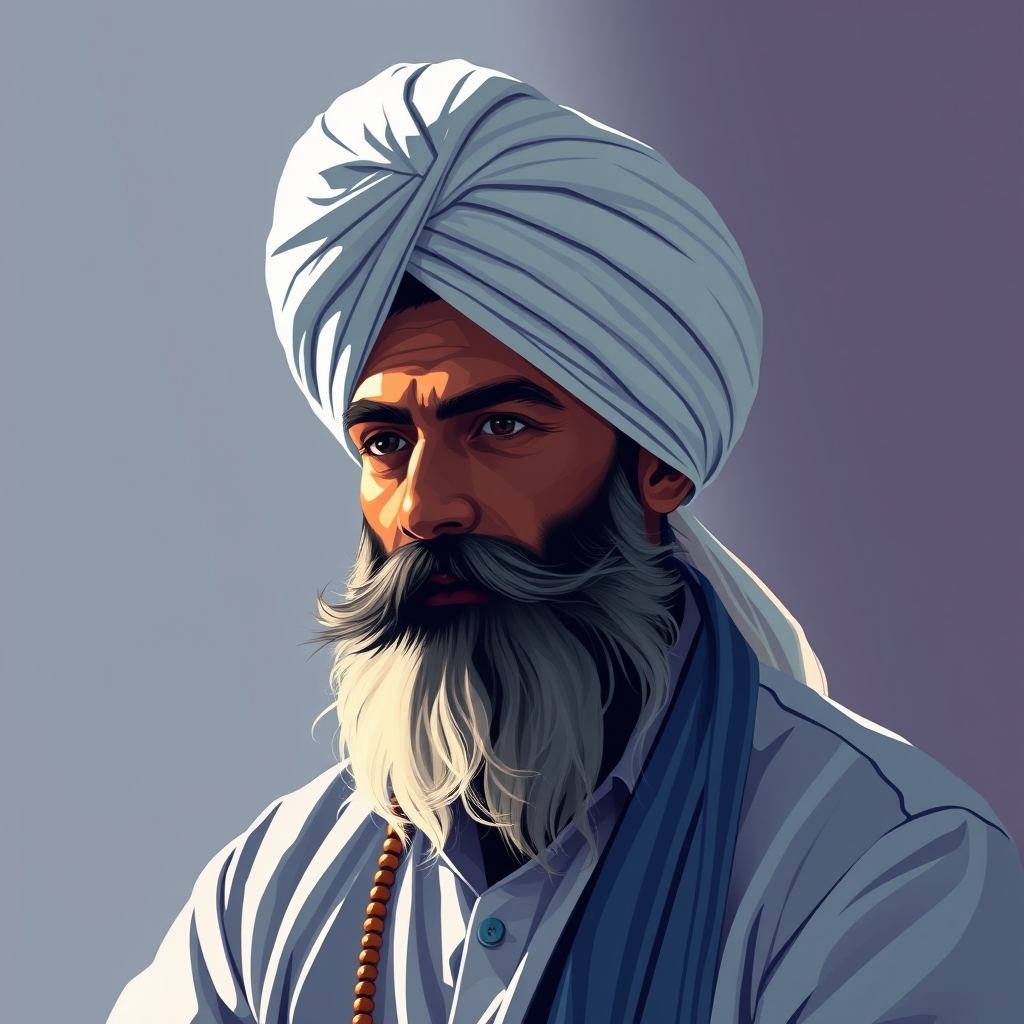
एका केशधारी शीखसाठी, श्रद्धेची तत्त्वे ही तडजोड करण्यायोग्य नसतात. न कापलेले केस, दाढी, पगडी—हे केवळ फॅशनचे पर्याय नसून ते मूलभूत कर्तव्ये आहेत. अनेक दशकांपासून, अमेरिकन लष्कराच्या मानक ग्रूमिंग आणि गणवेश नियमांनुसार सेवा देण्याची इच्छा असलेल्या शीखांसाठी हीच कर्तव्ये आपोआप अपात्रता ठरत होती. याच इतिहासामुळे कोलोराडो स्प्रिंग्स येथील U.S. Air Force Academy मध्ये चिराग वीर सिंग सरावो (Chirag Veer Singh Sarao) यांचे आगमन अत्यंत महत्त्वपूर्ण ठरते. ४ एप्रिल २०२६ रोजी, सरावो अकादमीमध्ये नियुक्त झालेले पहिले केशधारी शीख अमेरिकन बनले. अडीच महिन्यांनंतर, २० जून रोजी, त्यांना अधिकृत धार्मिक सवलत (religious accommodation) मिळाली. २४ जून रोजी त्यांनी 'इन-प्रोसेसिंग डे' साठी रिपोर्ट केले आणि आता ते त्यांच्या वर्गमित्रांसोबत अकादमीचा सहा आठवड्यांचा बूट कॅम्प (boot camp) पूर्ण करत आहेत. हा क्षण वैयक्तिक आहे, परंतु तो ज्या बदलाचे प्रतिनिधित्व करतो तो संस्थात्मक आहे.
सवलत आणि त्यासाठी लागलेला प्रवास
अमेरिकन लष्करातील धार्मिक सवलत ही कोणतीही मोफत मिळणारी गोष्ट नाही. ही एक औपचारिक प्रक्रिया आहे ज्यासाठी कमांडची मंजुरी, कायदेशीर पुनरावलोकन आणि अनेक प्रकरणांमध्ये, अनेक वर्षांच्या वकिलीची आवश्यकता असते. शीखांसाठी, दाढी आणि पगडीसह सेवा देण्यातील लढा टप्प्याटप्प्याने पुढे गेला आहे. पूर्वीच्या सवलती अनेकदा प्रत्येक प्रकरणाचा स्वतंत्र विचार करून दिल्या जात असत, ज्या सहसा गैर-लढाऊ पदांपुरत्या किंवा वैयक्तिक मंजुरीपुरत्या मर्यादित असत. पूर्ण एकत्रीकरण—विशेषतः अमेरिकन लष्करी नेतृत्वाच्या सर्वात निवडक प्रवेश बिंदूंवर—अजूनही अप्राप्य राहिले आहे.
सरावो यांची नियुक्ती अधिकारी प्रशिक्षणाच्या सर्वोच्च स्तरावरील तो जुना पॅटर्न मोडते. U.S. Air Force Academy ही केवळ पाच फेडरल सर्व्हिस अकादमींपैकी एक आहे आणि तिचे पदवीधर U.S. Air Force किंवा उदयोन्मुख U.S. Space Force मध्ये सेकंड लेफ्टनंट म्हणून नियुक्त होतात. ही केवळ कडेच्या बाजूची सहाय्यक भूमिका नाही. हे प्रत्यक्ष युद्धात उतरण्यास सज्ज असलेले नेतृत्व मार्ग आहेत जे जगातील तांत्रिकदृष्ट्या प्रगत लष्करी शाखांच्या कमांड स्ट्रक्चरमध्ये थेट सामील होतात. सरावो यांनी केश राखून या प्रक्रियेत प्रवेश करणे याचा अर्थ असा आहे की, संस्थेने लेखी आणि प्रत्यक्ष स्वरूपात हे मान्य केले आहे की त्यांची ओळख त्यांच्या नेतृत्नाच्या क्षमतेशी तडजोड करत नाही.
वेळेचे महत्त्व आहे. ४ एप्रिल रोजी नियुक्ती. २० जून रोजी सवलत मंजूर. २४ जून रोजी 'आय-डे' (I-Day). ही संक्षिप्त मालिका सूचित करते की अकादमीला नेमके काय करायचे आहे हे माहित होते. त्यांच्या आगमनानंतर कोणताही संभ्रम उरला नव्हता. पहिला ड्रिल इन्स्ट्रक्टर त्यांचे नाव घेण्यापूर्वीच सर्व कागदपत्रांची पूर्तता झाली होती.
उमेदवार
ही मानके कमी केल्याची कथा नाही. सरावो यांचा रेकॉर्ड हा अकादमी ज्या प्रकारचे कॅडेट्स सक्रियपणे भरती करते, त्याचा एक नमुना वाटतो. त्यांची नियुक्ती स्वीकारण्यापूर्वी, त्यांनी Air Force Reserve Officers’ Training Corps आणि Naval ROTC या दोन्हीकडून पूर्ण शिष्यवृत्ती मिळवली होती. त्यांच्याकडे University of Southern California आणि University of Washington कडून प्रवेशाच्या ऑफर्स देखील होत्या. दुसऱ्या शब्दांत सांगायचे तर, त्यांच्याकडे उत्कृष्ट पर्याय उपलब्ध होते आणि त्यांनी कठीण मार्ग निवडला.
त्यांच्या अभ्यासातील गुणवत्तेला त्यांच्या अवांतर उपक्रमांची जोड आहे. सरावो हे एक 'ईगल स्काउट' (Eagle Scout) आहेत, ही अशी पदवी आहे ज्यासाठी अनेक वर्षांचे प्रकल्प व्यवस्थापन, समाजसेवा आणि सिद्ध झालेले नेतृत्व आवश्यक असते. त्यांच्याकडे तायक्वांडोमध्ये (Taekwondo) सेकंड-डिग्री ब्लॅक बेल्ट आहे, जे केवळ शारीरिक शिस्तच नाही तर श्रेणीबद्ध प्रणालीमध्ये प्रगती करण्यासाठी लागणाऱ्या संयमाचेही प्रतीक आहे. त्यांनी 'वॅरिटी वॉटर पोलो' (varsity water polo) मध्ये स्पर्धा केली आहे, जो खेळ स्टॅमिना, सांघिक कार्य आणि थकवा असूनही कामगिरी करण्याची क्षमता 요구 करतो. हे केवळ बायोडाटा भरण्यासाठीचे घटक नाहीत. हे असे गुण आहेत जे मूलभूत प्रशिक्षणाच्या कठीण परिस्थितीत आणि त्यापलीकडे, आधुनिक हवाई आणि अंतराळ मोहिमांच्या कार्यक्षमतेमध्ये थेट उपयुक्त ठरतात.
अकादमीतील जीवन
सध्या, सरावो अकादमीच्या सहा आठवड्यांच्या बूट कॅम्पच्या मध्यभागी आहेत, ज्याला अधिकृतपणे 'बेसिक कॅडेट ट्रेनिंग' (Basic Cadet Training) म्हटले जाते. हे प्रत्येक नवीन बॅचसाठी सुरुवातीचे टप्पे आहेत, जे नागरी सवयी काढून टाकण्यासाठी आणि गटाला एक संघ (unit) म्हणून पुन्हा तयार करण्यासाठी डिझाइन केलेले आहेत. कॅडेट्स झोप पूर्ण न होता आणि सततच्या मूल्यमापनाखाली मार्चिंग, धावणे, ड्रिल आणि अभ्यास करतात. शारीरिक मागण्या स्पष्ट आहेत, परंतु मानसिक दबाव हा खरा कसोटीचा टप्पा आहे. सरावो यांच्यासाठी, या अनुभवात लॉजिस्टिक गुंतागुंत देखील आहे. त्यांना प्रत्यक्ष क्षेत्रीय परिस्थितीत, शारीरिक प्रशिक्षणादरम्यान आणि अशा गणवेश संस्कृतीमध्ये आपली पगडी आणि दाढी टिकवून ठेवावी लागेल, जिने ऐतिहासिकदृष्ट्या सर्वांच्या सारख्याच दिसण्याला महत्त्व दिले आहे. अकादमी या व्यावहारिक तपशिलांचे व्यवस्थापन कसे करते—मग ते हेल्मेटखाली सुधारित हेडगिअरद्वारे असो किंवा ग्रूमिंग तपासणीमध्ये बदल करून असो—त्यावरून त्यांच्यानंतर येणाऱ्या प्रत्येक केशधारी कॅडेटसाठी एक आदर्श स्थापित होईल.
After BCT, the academic year begins. USAFA cadets pursue a full undergraduate curriculum while meeting military training requirements, physical fitness standards, and leadership responsibilities. Graduation leads directly to a commission. Unlike ROTC graduates, who split time between civilian universities and military instruction, service academy cadets live inside the military ecosystem for four continuous years. The investment is deeper, and the expectation is higher.
What This Shift Actually Means
The practical case for religious accommodation is straightforward: if you filter out every candidate who wears a turban or keeps a beard, you are filtering out talent for arbitrary reasons. The U.S. military has long understood this in theory, but implementation has lagged, especially in the officer corps. Sarao’s entry into USAFA suggests the Air Force is no longer treating diversity as a public relations exercise. It is treating it as a access problem. When your strategic competition spans cyber, space, and artificial intelligence, you cannot afford to narrow your pipeline to leaders who all look and worship the same way.
There is also a credibility dimension. The United States frequently argues that open institutions attract global talent. When a Sikh American can rise to a federal service academy without abandoning his faith, that argument becomes visible and concrete. It reaches families in Punjab, in British Columbia, in East London. It tells them that service does not require self-erasure.
The View from India
For India, the story carries specific weight beyond general celebrations of diaspora success.
Diaspora ties. High-achieving Sikh Americans entering elite American institutions strengthen the fabric of the Indian diaspora. These are not transactional relationships. They are long-term investments in mutual understanding that persist across election cycles and policy shifts. When a Sikh cadet salutes at Colorado Springs, the ripple effects touch cousins in Amritsar and alumni networks in Delhi.
Soft power projection. India benefits when its heritage traditions are seen functioning inside the power centers of other nations. Sarao’s presence does not advertise Indian government policy, but it does advertise Indian cultural durability. It shows that Sikh identity—kept intact—can operate at the highest levels of technical and military excellence. That is a form of influence no embassy brochure can replicate.
A reference point for domestic institutions. India runs some of the world’s largest military and educational establishments, and it faces its own tensions between institutional uniformity and religious expression. The American experience with formalized religious accommodation offers a working model, complete with its bureaucratic headaches and compromises. It is not a template to copy wholesale, but it is a live experiment worth watching. How does an academy maintain unit cohesion while allowing visual difference? How does chain of command respect conscience without fracturing discipline? These are questions every large, plural society must answer.
The Takeaway
Institutions change when individuals force them to confront the gap between their stated values and their operating rules. Chirag Sarao did not arrive at the U.S. Air Force Academy as an activist. He arrived as a high-performing candidate who refused to trade his faith for his ambition. The academy, in turn, decided his ambition was worth the adjustment. That exchange—merit demanding accommodation, and accommodation expanding the institution—is how integration actually happens. The six weeks of boot camp will test his endurance. The four years ahead will test his leadership. But the hardest barrier, the one that kept keshdhari Sikhs out of this pipeline for generations, has already fallen.