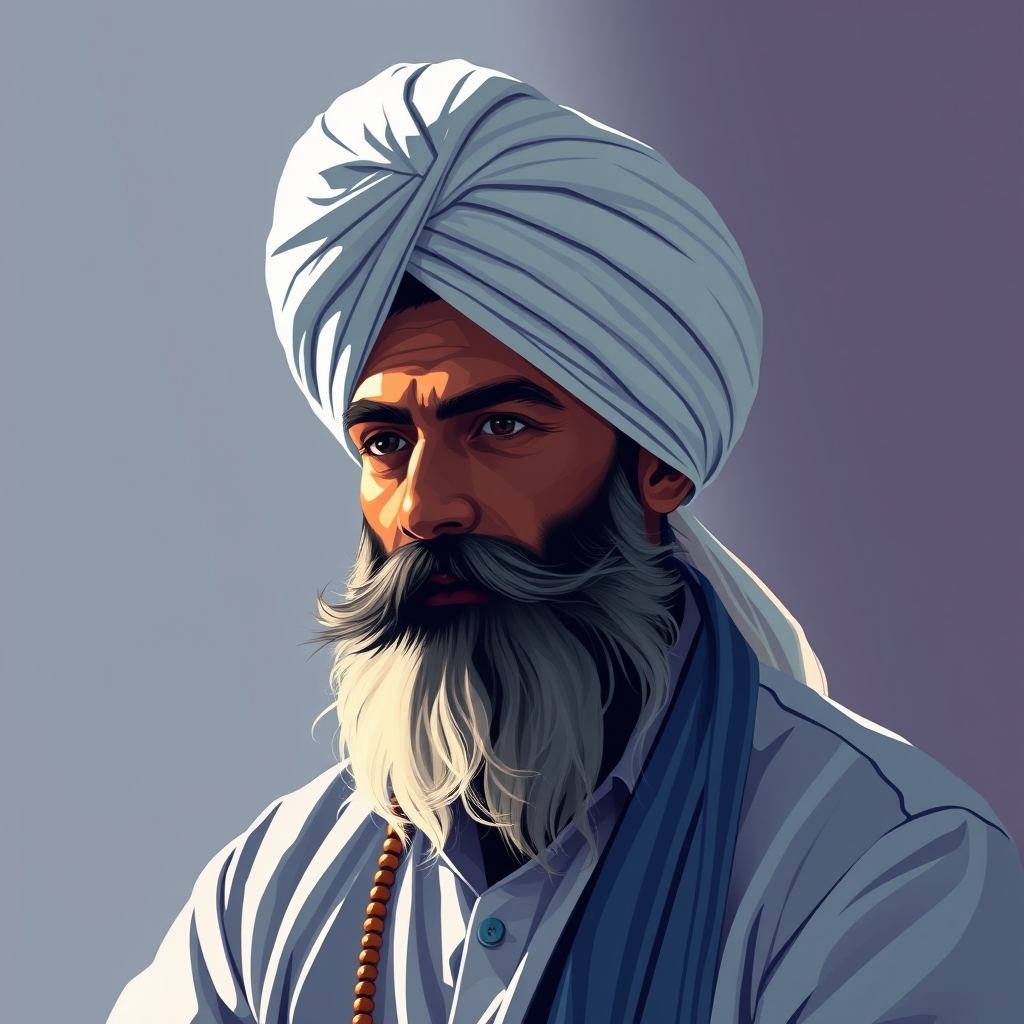
For a keshdhari Sikh, the articles of faith are non-negotiable. The unshorn hair, the beard, the turban—these are not stylistic choices but core obligations. For decades, those same obligations functioned as automatic disqualifiers for Sikhs hoping to serve in the United States military under standard grooming and uniform regulations. That history makes the arrival of Chirag Veer Singh Sarao at the U.S. Air Force Academy in Colorado Springs so consequential. On April 4, 2026, Sarao became the first keshdhari Sikh American appointed to the academy. Two and a half months later, on June 20, he received official religious accommodation. He reported for In-Processing Day on June 24 and is now enduring the academy’s six-week boot camp alongside his classmates. The moment is personal, but the shift it represents is institutional.
The Accommodation and What It Took
Religious accommodation in the U.S. military is not a handout. It is a formal process that requires command approval, legal review, and, in many cases, years of advocacy. For Sikhs, the fight to serve with beards and turbans has moved in stages. Earlier accommodations were often granted on a case-by-case basis, typically restricted to non-combat positions or个体的个別审批. Full integration—especially at the most selective entry points of American military leadership—has remained elusive.
Sarao’s appointment breaks that pattern at the highest level of officer training. The U.S. Air Force Academy is one of only five federal service academies, and its graduates earn commissions as second lieutenants in the U.S. Air Force or the nascent U.S. Space Force. These are not support roles on the periphery. They are combat-ready leadership tracks that feed directly into the command structure of the world’s most technically advanced military branches. For Sarao to enter that pipeline while maintaining kesh means the institution has accepted, in writing and in practice, that his identity does not compromise his capacity to lead.
The timeline matters. Appointed on April 4. Accommodation granted June 20. I-Day on June 24. That compressed sequence suggests the academy knew exactly what it was doing. There was no ambiguity to sort out after his arrival. The paperwork was settled before the first drill instructor called his name.
The Candidate
This is not a story of lowered standards. Sarao’s record reads like a blueprint for the kind of cadet the academies actively recruit. Before accepting his appointment, he earned full scholarships from both the Air Force Reserve Officers’ Training Corps and the Naval ROTC. He also held admissions offers from the University of Southern California and the University of Washington. In other words, he had elite options and chose the harder path.
His extracurriculars match the academic pedigree. Sarao is an Eagle Scout, a distinction that requires years of project management, community service, and demonstrated leadership. He holds a second-degree black belt in Taekwondo, which signals not just physical discipline but the patience to progress through a hierarchical grading system. He competed in varsity water polo, a sport that demands stamina, teamwork, and the ability to perform under exhaustion. These are not resume fillers. They are traits that translate directly to the pressure cooker of basic training and, beyond that, to the operational tempo of modern air and space operations.
Life at the Academy
Right now, Sarao is in the middle of the academy’s six-week boot camp, officially called Basic Cadet Training. It is the initiation phase for every incoming class, designed to strip away civilian habits and rebuild the group as a unit. Cadets march, run, drill, and study under sleep deprivation and constant evaluation. The physical demands are obvious, but the psychological pressure is the real filter. For Sarao, the experience includes an additional layer of logistical complexity. He will need to maintain his turban and beard under field conditions, during physical training, and within a uniform culture that has historically prized identical appearance. How the academy handles those practical details—whether through modified headgear under helmets or adjusted grooming inspections—will set precedents for every keshdhari cadet who follows.
Po BCT rozpoczyna się rok akademicki. Kadet USAFA realizuje pełny program studiów licencjackich, spełniając jednocześnie wymogi szkolenia wojskowego, standardy sprawności fizycznej oraz obowiązki przywódcze. Ukończenie studiów prowadzi bezpośrednio do otrzymania stopnia oficerskiego. W przeciwieństwie do absolwentów ROTC, którzy dzielą czas między cywilnymi uniwersytetami a instruktażem wojskowym, kadetowie akademii służbowych żyją wewnątrz ekosystemu wojskowego przez cztery nieprzerwane lata. Inwestycja jest głębsza, a oczekiwania wyższe.
Co ta zmiana oznacza w rzeczywistości
Praktyczny argument za akomodacją religijną jest oczywisty: jeśli odrzucasz każdego kandydata, który nosi turban lub pozwala sobie na brodę, to odrzucasz talenty z arbitralnych powodów. Armia USA od dawna rozumiała to w teorii, ale wdrożenie pozostawiało zaległości, szczególnie w korpusie oficerskim. Przyjęcie Sarao do USAFA sugeruje, że Siły Powietrzne nie traktują już różnorodności jako ćwiczenia PR-owego. Traktują ją jako problem dostępu. Gdy konkurencja strategiczna obejmuje cyberprzestrzeń, kosmos i sztuczną inteligencję, nie możesz pozwolić sobie na zawężenie dopływu liderów tylko do takich, którzy wszyscy wyglądają i czczą w ten sam sposób.
Istnieje również wymiar wiarygodności. Stany Zjednoczone często argumentują, że otwarte instytucje przyciągają globalne talenty. Gdy Sikh-Amerykanin może dostać się do federalnej akademii służbowej bez porzucania swojej wiary, argument ten staje się widoczny i konkretny. Dociera on do rodzin w Pendżabie, w Kolumbii Brytyjskiej czy we wschodnim Londynie. Mówi im, że służba nie wymaga wymazywania własnej tożsamości.
Perspektywa Indii
Dla Indii ta historia ma szczególne znaczenie, wykraczające poza ogólne świętowanie sukcesów diaspory.
Więzi diaspory. Wybitni Sikh-Amerykanie trafiający do elitarnych amerykańskich instytucji wzmacniają strukturę indyjskiej diaspory. Nie są to relacje transakcyjne. To długoterminowe inwestycje we wzajemne zrozumienie, które trwają pomimo cykli wyborczych i zmian politycznych. Gdy Sikh-kadet salutuje w Colorado Springs, efekt domina dociera do kuzynów w Amritsar i sieci absolwentów w Delhi.
Projekcja miękkiej siły. Indie zyskują, gdy ich tradycje dziedzictwa są postrzegane jako funkcjonujące wewnątrz centrów władzy innych narodów. Obecność Sarao nie promuje polityki rządu Indii, ale promuje trwałość indyjskiej kultury. Pokazuje, że tożsamość Sikhów – zachowana w nienaruszonym stanie – może funkcjonować na najwyższych poziomach doskonałości technicznej i wojskowej. To forma wpływu, której nie powieli żadna broszura ambasady.
Punkt odniesienia dla instytucji krajowych. Indie prowadzą jedne z największych na świecie placówek wojskowych i edukacyjnych i mierzą się z własnymi napięciami między instytucjonalną jednolitością a ekspresją religijną. Amerykańskie doświadczenie z formalną akomodacją religijną oferuje model roboczy, wraz z jego biurokratycznymi problemami i kompromisami. Nie jest to wzorzec do bezkrytycznego kopiowania, ale żywy eksperyment wart obserwowania. Jak akademia może utrzymać spójność jednostki, pozwalając jednocześnie na różnice wizualne? Jak łańcuch dowodzenia może szanować sumienie bez naruszania dyscypliny? To pytania, na które musi odpowiedzieć każde duże, pluralistyczne społeczeństwo.
Podsumowanie
Instytucje zmieniają się, gdy jednostki zmuszają je do skonfrontowania luki między deklarowanymi wartościami a zasadami działania. Chirag Sarao nie przybył do Amerykańskiej Akademii Sił Powietrznych jako aktywista. Przybył jako wybitny kandydat, który odmówił poświęcenia swojej wiary na rzecz ambicji. Akademia z kolei uznała, że jego ambicja jest warta wprowadzenia zmian. Ta wymiana – gdy zasługi wymagają akomodacji, a akomodacja rozszerza instytucję – jest sposobem, w jaki integracja faktycznie zachodzi. Sześć tygodni obozu szkolnego przetestuje jego wytrzymałość. Cztery nadchodzące lata przetestują jego zdolności przywódcze. Jednak najtrudniejsza bariera, ta, która przez pokolenia wykluczała Sikhów keshdhari z tego systemu, już upadła.