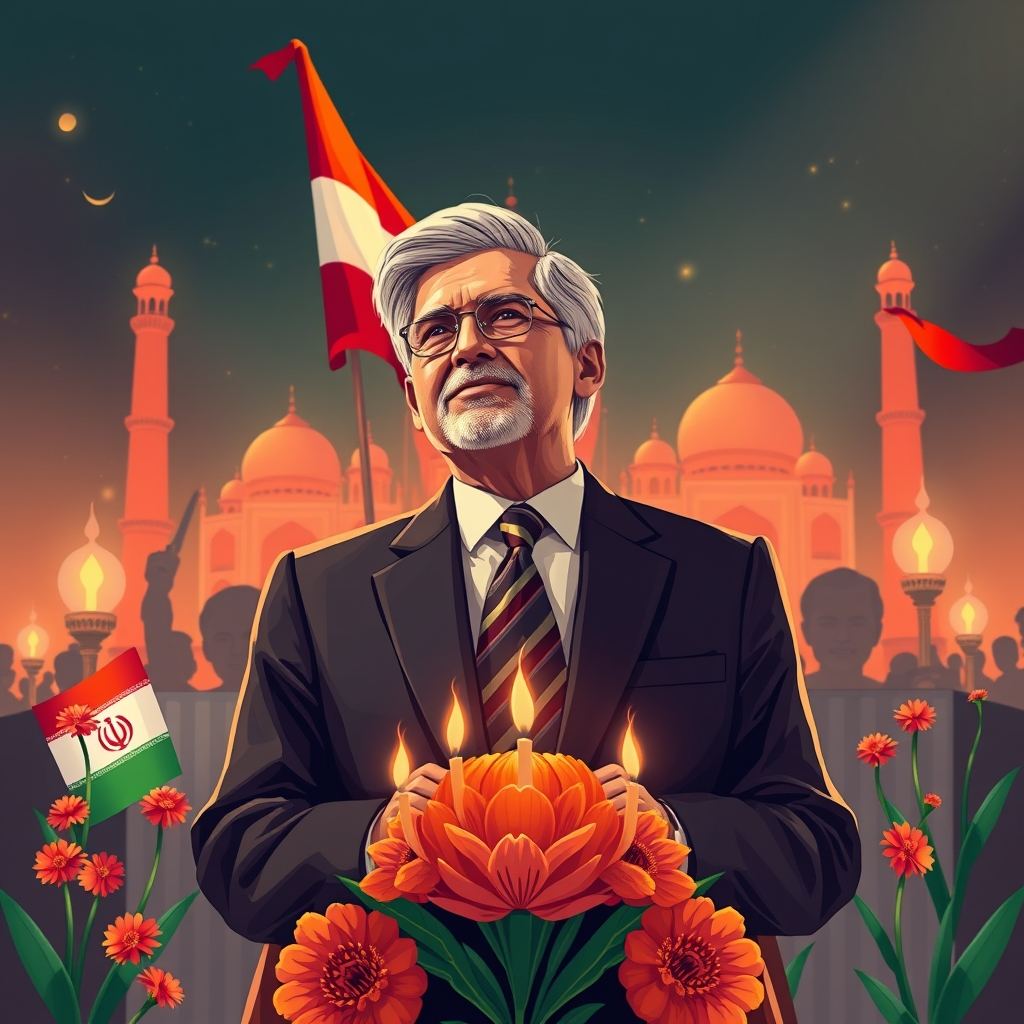
Iran Celebrates Lindsey Graham's Death Amidst Global Tributes
The sudden passing of US Senator Lindsey Graham has ignited a sharp diplomatic divide, with the Iranian regime celebrating his death while Western leaders mourn a key ally. This stark contrast highlights the deep-seated ideological rift in the Middle East and the polarizing nature of Graham's foreign policy legacy.
A Polarized Reaction: Celebration vs. Mourning
The reaction to Senator Lindsey Graham’s death on Saturday evening has underscored the extreme geopolitical tensions surrounding US-Iran relations. Following reports of his sudden death due to a cardiac arrest at his Capitol Hill home, Iranian state media reacted with uncharacteristic exuberance. Tasnim, an agency affiliated with the Iranian regime, published a headline stating that Graham was "taking the destruction of Iran to the grave." In a surreal moment on state television, a host remarked, "This news is so sweet that I'm reading it twice," while labeling the late senator a "war-mongering" figure.
On social media, hardline supporters circulated graphics marking Graham as a target for "revenge" related to previous military tensions. Conversely, the exiled crown prince Reza Pahlavi offered condolences, hailing Graham as a "steadfast friend of the Iranian people" and a defender of freedom against the current clerical establishment.
The Loss of a Key Pro-Israel and Pro-Trump Ally
In Washington and Jerusalem, the tone was one of profound loss. Former US President Donald Trump described Graham as "one of the greatest people and senators I have ever known," emphasizing his patriotism. This sentiment was echoed by Israeli Prime Minister Benjamin Netanyahu, who viewed Graham as a "beloved friend" and a significant pillar of the US-Israel strategic alliance.
Graham’s political career was defined by a staunchly hawkish approach to Middle Eastern geopolitics, particularly regarding Iran and Israel. His advocacy for maximum pressure on the Iranian regime and his close alignment with the Trump administration made him a central figure in shaping US policy in the region. His death leaves a void in the Republican leadership that was characterized by a commitment to assertive military and diplomatic stances against Tehran.
Geopolitical Implications of the Vacuum
The divergence in reactions—ranging from the "sweetness" described by Tehran to the "great patriot" eulogies from the West—reveals the precarious state of Middle Eastern stability. Graham was a vocal proponent of the "Lion and Sun" Revolution ideology supported by the Iranian opposition, a stance that placed him directly in the crosshairs of the Ayatollahs. His passing comes at a time when the US-Iran relationship remains at a historic low, with both sides navigating complex issues of regional influence, maritime security, and nuclear proliferation.
What It Means for India
As a major global power with significant economic and strategic interests in the Middle East, India must navigate this heightened volatility:
- Energy Security Stability: The aggressive rhetoric from Tehran and the mourning of a key hawk in Washington suggest continued regional friction, which can lead to volatility in global oil markets—a critical concern for India's economy.
- Navigating the Iran-Israel-US Triangle: India’s "Link West" policy requires a delicate balance; the deepening ideological divide highlighted by Graham’s death necessitates careful diplomatic maneuvering to protect India's interests in both Iran and its strategic partner, Israel.
- Counter-Terrorism and Regional Order: The death of a prominent figure in the US-Israel axis may shift the internal dynamics of Western policy toward Iran, potentially altering the security landscape in the Persian Gulf, where India maintains vital maritime trade routes.