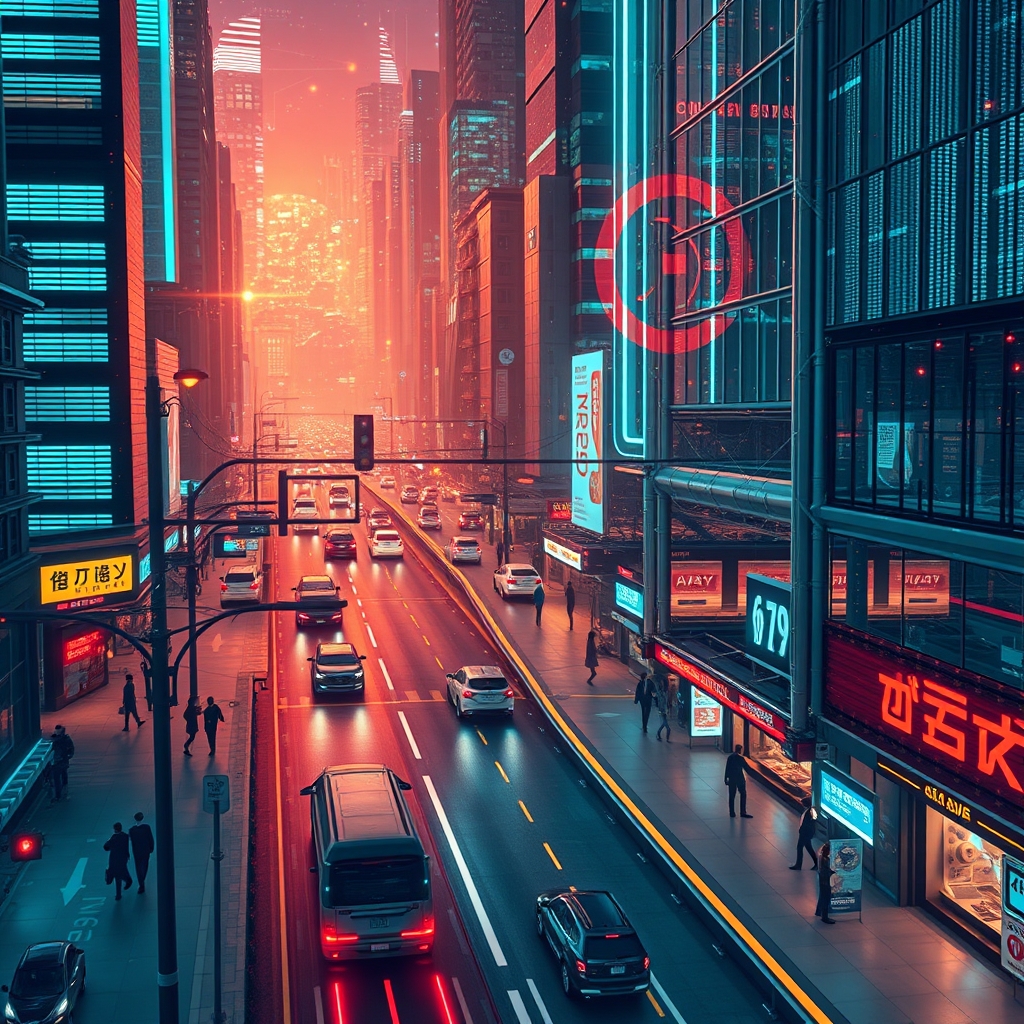
ਹਰ ਵੱਡਾ ਸ਼ਹਿਰ ਹੁਣ ਵੀਡੀਓ 'ਤੇ ਚੱਲਦਾ ਹੈ। ਟ੍ਰੈਫਿਕ ਚੌਕ, ਸਬਵੇ ਪਲੇਟਫਾਰਮ, ਜਨਤਕ ਪਾਰਕ ਅਤੇ ਸ਼ਾਪਿੰਗ ਡਿਸਟ੍ਰਿਕਟ ਲਗਾਤਾਰ ਫੁਟੇਜ ਮਿਉਂਸਪਲ ਕੰਟਰੋਲ ਰੂਮਾਂ ਵਿੱਚ ਭੇਜਦੇ ਹਨ। ਇਸ ਦੀ ਅਸਲ ਮਾਤਰਾ ਹੈਰਾਨ ਕਰਨ ਵਾਲੀ ਹੈ। ਬਿਨਾਂ ਵਿਆਖਿਆ ਦੇ, ਉਹ ਫਰੇਮ ਸਿਰਫ ਸਰਵਰ ਸਪੇਸ ਦੀ ਵਰਤੋਂ ਕਰਨ ਵਾਲੀਆਂ ਮਹਿੰਗੀਆਂ ਫਾਈਲਾਂ ਹਨ। ਡੀਪ ਲਰਨਿੰਗ (Deep learning) ਨੇ ਇਸ ਸਥਿਤੀ ਨੂੰ ਬਦਲ ਦਿੱਤਾ ਹੈ। ਇਹ ਸ਼ਹਿਰੀ ਪ੍ਰਣਾਲੀਆਂ ਨੂੰ ਘਟਨਾਵਾਂ ਦੇ ਵਾਪਰਨ ਦੇ ਨਾਲ ਹੀ ਉਹਨਾਂ ਨੂੰ ਦੇਖਣ, ਸਮਝਣ ਅਤੇ ਪ੍ਰਤੀਕਿਰਿਆ ਦੇਣ ਦੀ ਸਮਰੱਥਾ ਦਿੰਦਾ ਹੈ, ਜਿਸ ਨਾਲ ਪੈਸਿਵ ਰਿਕਾਰਡਿੰਗਾਂ ਨੂੰ ਸਰਗਰਮ ਬੁਨਿਆਦੀ ਢਾਂਚੇ ਵਿੱਚ ਬਦਲ ਦਿੱਤਾ ਜਾਂਦਾ ਹੈ।
ਪਿਕਸਲ ਤੋਂ ਫੈਸਲਿਆਂ ਤੱਕ
ਰਵਾਇਤੀ ਕੰਪਿਊਟਰ ਵਿਜ਼ਨ (computer vision) ਹੱਥਾਂ ਨਾਲ ਤਿਆਰ ਕੀਤੇ ਨਿਯਮਾਂ 'ਤੇ ਨਿਰਭਰ ਕਰਦਾ ਸੀ। ਇੰਜੀਨੀਅਰਾਂ ਨੇ ਖਾਸ ਆਕਾਰਾਂ, ਰੰਗਾਂ ਜਾਂ ਗਤੀ ਦੇ ਪੈਟਰਨਾਂ ਨੂੰ ਲੱਭਣ ਲਈ ਪ੍ਰਣਾਲੀਆਂ ਨੂੰ ਪ੍ਰੋਗਰਾਮ ਕੀਤਾ ਸੀ। ਇਹ ਤਰੀਕੇ ਕੰਟਰੋਲਡ ਲੈਬਾਂ ਵਿੱਚ ਕੰਮ ਕਰਦੇ ਸਨ, ਪਰ ਸ਼ਹਿਰਾਂ ਵਿੱਚ ਹਾਲਾਤ ਉਲਝੇ ਹੋਏ ਹੁੰਦੇ ਹਨ। ਪਰਛਾਵਾਂ ਬਦਲਦੇ ਰਹਿੰਦੇ ਹਨ। ਮੀਂਹ ਲੈਂਸਾਂ ਨੂੰ ਧੁੰਦਲਾ ਕਰ ਦਿੰਦਾ ਹੈ। ਪੈਦਲ ਚੱਲਣ ਵਾਲੇ ਅਜਿਹੇ ਛਤਰੀਆਂ ਹੇਠ ਇਕੱਠੇ ਹੁੰਦੇ ਹਨ ਜੋ ਟ੍ਰੇਨਿੰਗ ਡਾਇਗ੍ਰਾਮ ਨਾਲ ਮਿਲਦੇ-ਜੁਲਦੇ ਨਹੀਂ ਹੁੰਦੇ। ਨਿਯਮ-ਅਧਾਰਤ ਪ੍ਰਣਾਲੀਆਂ ਲਗਾਤਾਰ ਅਸਫਲ ਹੁੰਦੀਆਂ ਰਹੀਆਂ, ਜਿਸ ਨਾਲ ਓਪਰੇਟਰਾਂ ਨੂੰ ਗਲਤ (false positives) ਅਲਰਟ ਮਿਲਦੇ ਰਹੇ।
ਡੀਪ ਲਰਨਿੰਗ ਇਸ ਸਮੱਸਿਆ ਨਾਲ ਵੱਖਰੇ ਤਰੀਕੇ ਨਾਲ ਨਜਿੱਠਦਾ ਹੈ। ਕਨਵੋਲਿਊਸ਼ਨਲ ਨਿਊਰਲ ਨੈੱਟਵਰਕਸ (Convolutional neural networks) ਅਤੇ ਉਹਨਾਂ ਦੇ ਵਾਰਸ ਸਿੱਧੇ ਡੇਟਾ ਤੋਂ ਵਿਸ਼ੇਸ਼ਤਾਵਾਂ (features) ਸਿੱਖਦੇ ਹਨ। ਕੰਪਿਊਟਰ ਨੂੰ ਇਹ ਦੱਸਣ ਦੀ ਬਜਾਏ ਕਿ ਸਾਈਕਲ ਕਿਹੋ ਜਿਹਾ ਦਿਖਦਾ ਹੈ, ਇੰਜੀਨੀਅਰ ਇਸਨੂੰ ਲੱਖਾਂ ਲੇਬਲ ਕੀਤੇ ਉਦਾਹਰਣਾਂ ਦਿੰਦੇ ਹਨ ਜਦੋਂ ਤੱਕ ਮਾਡਲ ਸਾਈਕਲ ਦੀ ਆਪਣੀ ਅੰਦਰੂਨੀ ਧਾਰਨਾ ਨਹੀਂ ਬਣਾ ਲੈਂਦਾ। ਇਸ ਦਾ ਨਤੀਜਾ ਇੱਕ ਅਜਿਹੀ ਪ੍ਰਣਾਲੀ ਹੈ ਜੋ ਬਿਨਾਂ ਟੁੱਟੇ ਅਸਲ ਦੁਨੀਆ ਦੇ ਬਦਲਾਅ ਨੂੰ ਸੰਭਾਲ ਸਕਦੀ ਹੈ। ਇੱਕ ਭੀੜ ਵਾਲੀ ਸੜਕ 'ਤੇ ਲੱਗੀ ਕੈਮਰਾ ਸ਼ਾਮ ਦੇ ਸਮੇਂ, ਹਲਕੀ ਧੁੰਦ ਵਿੱਚ, ਜਾਂ ਜਦੋਂ ਵਾਹਨ ਅੰਸ਼ਕ ਤੌਰ 'ਤੇ ਇੱਕ ਦੂਜੇ ਦੇ ਉੱਪਰ ਹੁੰਦੇ ਹਨ, ਤਾਂ ਵੀ ਡਿਲੀਵਰੀ ਵੈਨ ਅਤੇ ਬੱਸ ਵਿੱਚ ਅੰਤਰ ਕਰ ਸਕਦਾ ਹੈ। ਸਭ ਤੋਂ ਮਹੱਤਵਪੂਰਨ ਗੱਲ ਇਹ ਹੈ ਕਿ ਮਾਡਲ ਸਿਰਫ ਰੋਅ ਪਿਕਸਲ (raw pixels) ਦੀ ਬਜਾਏ ਕਾਨਫੀਡੈਂਸ ਸਕੋਰ (confidence scores) ਅਤੇ ਸੰਰਚਿਤ ਮੈਟਾਡਾਟਾ (structured metadata) ਪ੍ਰਦਾਨ ਕਰਦਾ ਹੈ, ਜਿਸਦਾ ਮਤਲਬ ਹੈ ਕਿ ਡਾਊਨਸਟ੍ਰੀਮ ਸਾਫਟਵੇਅਰ ਅਲਰਟ ਜਾਰੀ ਕਰ ਸਕਦੇ ਹਨ, ਡੈਸ਼ਬੋਰਡ ਅਪਡੇਟ ਕਰ ਸਕਦੇ ਹਨ, ਜਾਂ ਸਿੱਧੇ ਟ੍ਰੈਫਿਕ ਕੰਟਰੋਲ ਹਾਰਡਵੇਅਰ ਵਿੱਚ ਡਾਟਾ ਭੇਜ ਸਕਦੇ ਹਨ।
ਟ੍ਰੈਫਿਕ ਪ੍ਰਬੰਧਨ ਅਤੇ ਪ੍ਰਵਾਹ ਨਿਯੰਤਰਣ
ਸ਼ਹਿਰੀ ਟ੍ਰੈਫਿਕ ਵੀਡੀਓ ਐਨਾਲਿਟਿਕਸ (video analytics) ਦੀਆਂ ਸਭ ਤੋਂ ਸਪਸ਼ਟ ਸਫਲਤਾਵਾਂ ਵਿੱਚੋਂ ਇੱਕ ਹੈ। ਫਿਕਸਡ-ਟਾਈਮਿੰਗ ਟ੍ਰੈਫਿਕ ਲਾਈਟਾਂ ਦਹਾਕਿਆਂ ਪਹਿਲਾਂ ਅਨੁਮਾਨਿਤ ਰਸ਼-ਆ HOUR ਪੈਟਰਨਾਂ ਲਈ ਤਿਆਰ ਕੀਤੀਆਂ ਗਈਆਂ ਸਨ। ਜਦੋਂ ਕੋਈ ਕੰਸਰਟ ਦੋ ਘੰਟੇ ਪਹਿਲਾਂ ਸੜਕਾਂ 'ਤੇ ਭੀੜ ਪਾ ਦਿੰਦਾ ਹੈ ਜਾਂ ਜਦੋਂ ਕੋਈ ਹਲਕਾ ਜਿਹਾ ਟੱਕਰ ਵਿਚਕਾਰ ਲੇਨ ਨੂੰ ਰੋਕ ਦਿੰਦਾ ਹੈ, ਤਾਂ ਉਹ ਅਨੁਕੂਲਿਤ ਨਹੀਂ ਹੋ ਸਕਦੀਆਂ।
ਚੌਕਾਂ 'ਤੇ ਲੱਗੀਆਂ ਡੀਪ ਲਰਨਿੰਗ ਪ੍ਰਣਾਲੀਆਂ ਵਾਹਨਾਂ ਦੀ ਗਿਣਤੀ ਉਹਨਾਂ ਦੀ ਕਿਸਮ ਅਨੁਸਾਰ ਕਰਦੀਆਂ ਹਨ, ਲਾਲ ਬੱਤੀਆਂ 'ਤੇ ਲਾਈਨਾਂ ਦੀ ਲੰਬਾਈ ਮਾਪਦੀਆਂ ਹਨ, ਅਤੇ ਉਡੀਕਣ ਦੇ ਸਮੇਂ ਦਾ ਅਨੁਮਾਨ ਲਗਾਉਂਦੀਆਂ ਹਨ। ਸ਼ਹਿਰ ਦੇ ਇੰਜੀਨੀਅਰ ਨਾ ਸਿਰਫ ਇਹ ਦੇਖ ਸਕਦੇ ਹਨ ਕਿ ਸੜਕ ਭੀੜ ਵਾਲੀ ਹੈ, ਸਗੋਂ ਇਹ ਵੀ ਕਿ ਉਹ ਕਿਉਂ ਭੀੜ ਵਾਲੀ ਹੈ। ਕੀ ਰੁਕਾਵਟ ਥਰੂ-ਟ੍ਰੈਫਿਕ (through-traffic), ਸੁਰੱਖਿਅਤ ਸਿਗਨਲਾਂ ਤੋਂ ਬਿਨਾਂ ਖੱਬੇ ਮੋੜ, ਜਾਂ ਲਾਈਟ ਦੇ ਵਿਰੁੱਧ ਪੈਦਲ ਚੱਲਣ ਵਾਲਿਆਂ ਕਾਰਨ ਹੈ? ਆਨਬੋਰਡ ਇਨਫਰੈਂਸ (onboard inference) ਵਾਲੀਆਂ ਕੈਮਰਾਵਾਂ ਅਸਲ ਲੋਡ ਚੁੱਕਣ ਵਾਲੀ ਦਿਸ਼ਾ ਦੇ ਅਨੁਕੂਲ ਰੀਅਲ-ਟਾਈਮ ਵਿੱਚ ਸਿਗਨਲ ਫੇਜ਼ਿੰਗ (signal phasing) ਨੂੰ ਐਡਜਸਟ ਕਰ ਸਕਦੀਆਂ ਹਨ। ਕੁਝ ਪ੍ਰਣਾਲੀਆਂ ਘਟਨਾਵਾਂ ਨੂੰ ਤੁਰੰਤ ਫਲੈਗ ਕਰਦੀਆਂ ਹਨ—ਜਿਵੇਂ ਕਿ ਗਲਤ ਦਿਸ਼ਾ ਵਿੱਚ ਚੱਲਣ ਵਾਲੇ ਡਰਾਈਵਰ, ਰੁਕੇ ਹੋਏ ਵਾਹਨ, ਜਾਂ ਸੜਕ 'ਤੇ ਮਲਬੇ ਦਾ ਪਤਾ ਲਗਾਉਣਾ—ਅਕਸਰ ਇੱਕ ਮਨੁੱਖੀ ਓਪਰੇਟਰ ਜੋ ਮੋਨੀਟਰਾਂ ਦੀ ਕੰਧ ਨੂੰ ਦੇਖ ਰਿਹਾ ਹੋਵੇ, ਉਸਦੀ ਪ੍ਰਤੀਕਿਰਿਆ ਨਾਲੋਂ ਤੇਜ਼ੀ ਨਾਲ।
ਇਹ ਸਾਧਨ ਵਿਆਪਕ ਸ਼ਹਿਰੀ ਯੋਜਨਾਬੰਦੀ ਨਾਲ ਵੀ ਜੁੜੇ ਹੋਏ ਹਨ। ਹਫ਼ਤਿਆਂ ਦੀ ਵੀਡੀਓ ਦਾ ਵਿਸ਼ਲੇਸ਼ਣ ਕਰਕੇ, ਸ਼ਹਿਰ ਅਜਿਹੇ ਲਗਾਤਾਰ ਰੁਕਾਵਟਾਂ (bottlenecks) ਦੀ ਪਛਾਣ ਕਰਦੇ ਹਨ ਜੋ ਨਵੀਆਂ ਮੋੜ ਵਾਲੀਆਂ ਲੇਨਾਂ ਜਾਂ ਬਦਲੀਆਂ ਹੋਈਆਂ ਸਪੀਡ ਸੀਮਾਵਾਂ ਦੀ ਲੋੜ ਦਾ ਸੰਕੇਤ ਦਿੰਦੇ ਹਨ, ਜਿਸ ਨਾਲ ਅੰਦਾਜ਼ੇ ਦੀ ਜਗ੍ਹਾ ਅਸਲ ਵਿਵਹਾਰ ਦੇ ਅਧਾਰ 'ਤੇ ਫੈਸਲੇ ਲਏ ਜਾਂਦੇ ਹਨ।
ਜਨਤਕ ਸੁਰੱਖਿਆ ਅਤੇ ਨਿਗਰਾਨੀ
ਸੁਰੱਖਿਆ ਐਪਲੀਕੇਸ਼ਨਾਂ ਸਿਰਫ ਮੋਸ਼ਨ ਡਿਟੈਕਸ਼ਨ (motion detection) ਤੋਂ ਕਿਤੇ ਵੱਧ ਹਨ। ਆਧੁਨਿਕ ਐਨਾਲਿਟਿਕਸ ਅਜਿਹੇ ਪੈਟਰਨਾਂ ਦੀ ਪਛਾਣ ਕਰ ਸਕਦੇ ਹਨ ਜੋ ਹਾਦਸਿਆਂ ਜਾਂ ਅਪਰਾਧਾਂ ਤੋਂ ਪਹਿਲਾਂ ਵਾਪਰਦੇ ਹਨ। ਰੇਲਵੇ ਪਲੇਟਫਾਰਮ 'ਤੇ ਇੱਕ ਨਿਸ਼ਚਿਤ ਸਮੇਂ ਤੋਂ ਵੱਧ ਸਮੇਂ ਲਈ ਛੱਡਿਆ ਗਿਆ ਬੈਕਪੈਕ ਇੱਕ ਨੋਟੀਫਿਕੇਸ਼ਨ ਜਾਰੀ ਕਰਦਾ ਹੈ। ਨਦੀ ਦੇ ਕਿਨਾਰੇ ਲੱਗੀਆਂ ਕੈਮਰਾਵਾਂ 'ਤੇ ਦਿਖਾਈ ਦੇਣ ਵਾਲਾ ਧੂੰਆਂ ਜਾਂ ਅਚਾਨਕ ਭੀੜ ਦਾ ਖਿੰਡਣਾ ਕਿਸੇ ਦੇ ਫੋਨ ਕਰਨ ਤੋਂ ਪਹਿਲਾਂ ਐਮਰਜੈਂਸੀ ਦਾ ਸੰਕੇਤ ਦੇ ਸਕਦਾ ਹੈ।
ਮੁੱਖ ਸੁਧਾਰ ਚੋਣ ਦੀ ਸਮਰੱਥਾ (selectivity) ਹੈ। ਪੁਰਾਣੀਆਂ ਪ੍ਰਣਾਲੀਆਂ ਹਰ ਗਲੀ ਵਿੱਚ ਦੌੜਦੀ ਗਲੀ (squirrel) ਜਾਂ ਹਿਲਦੀ ਹੋਈ ਰੁੱਖ ਦੀ ਟਹਿਣੀ 'ਤੇ ਵੀ ਅਲਰਟ ਦਿੰਦੀਆਂ ਸਨ। ਡੀਪ ਲਰਨਿੰਗ ਮਾਡਲ ਅਣਾਉਖੇ ਮੋਸ਼ਨ ਨੂੰ ਫਿਲਟਰ ਕਰਦੇ ਹਨ ਅਤੇ ਸੱਚਮੁੱਚ ਅਸਾਧਾਰਨ ਵਿਵਹਾਰ ਨੂੰ ਫਲੈਗ ਕਰਦੇ ਹਨ। ਕਿਸੇ ਚੌਕ ਵਿੱਚ ਹੋਣ ਵਾਲੀ ਲੜਾਈ ਇੱਕ ਖਾਸ ਕਿਨੇਟਿਕ ਸਿਗਨੇਚਰ (kinetic signature) ਪੈਦਾ ਕਰਦੀ ਹੈ ਜੋ ਦੋਸਤਾਂ ਦੇ ਮਜ਼ਾਕ ਕਰਨ ਜਾਂ ਸਟ੍ਰੀਟ ਪਰਫਾਰਮਰ ਦੁਆਰਾ ਕੀਤੇ ਜਾ ਰਹੇ ਅਕਰੋਬੈਟਿਕਸ ਤੋਂ ਵੱਖਰੀ ਹੁੰਦੀ ਹੈ। ਸੁਰੱਖਿਆ ਸਟਾਫ ਆਪਣਾ ਧਿਆਨ ਸੈਂਕੜੇ ਗਲਤ ਅਲਰਟਾਂ ਦੇ ਪਿੱਛੇ ਭੱਜਣ ਦੀ ਬਜਾਏ ਕੁਝ ਤਸਦੀਕ ਕੀਤੇ ਹੋਏ ਘਟਨਾਵਾਂ 'ਤੇ ਕੇਂਦਰਿਤ ਕਰ ਸਕਦਾ ਹੈ।
ਭੀੜ ਦੀ ਨਿਗਰਾਨੀ ਅਤੇ ਘਣਤਾ ਵਿਸ਼ਲੇਸ਼ਣ
ਵੱਡੇ ਜਨਤਕ ਇਕੱਠ ਵਿਲੱਖਣ ਜੋਖਮ ਪੇਸ਼ ਕਰਦੇ ਹਨ। ਸਟੇਡੀਅਮ ਦੇ ਨਿਕਾਸ, ਤਿਉਹਾਰਾਂ ਦੇ ਮੇਲੇ, ਅਤੇ ਛੁੱਟੀਆਂ ਦੌਰਾਨ ਟ੍ਰਾਂਜ਼ਿਟ ਹੱਬ ਖ਼ਤਰਨਾਕ ਹੋ
These tools generate heatmaps showing where crowds thicken in real time. Event organizers and police can open secondary exits, redirect foot traffic, or pause arrivals before a dangerous crush forms. During more routine periods, the same technology measures pedestrian flow through retail corridors or transit mezzanines, helping architects and city planners understand how people actually move through shared spaces. Queue length estimation at airports and government offices, likewise, allows staff to open additional service windows before lines spiral.
Object Detection and Tracking in Urban Settings
Cities are filled with moving parts: pedestrians, cyclists, scooters, pets, delivery robots, and vehicles of every size. Deep learning systems do not merely detect these objects in a single frame; they track them across time and across camera networks.
Multi-object tracking assigns consistent identities to entities as they traverse a scene. A pedestrian who steps behind a parked van does not disappear from the system’s awareness; the model predicts trajectory and reacquires the target when visible again. When extended across a network of cameras with overlapping fields of view, person re-identification allows a city to follow a vulnerable individual or locate a lost child without relying on a single operator manually scrubbing hours of footage.
These capabilities also underpin logistics and enforcement. Automated license plate recognition is already common, but newer vehicle re-identification systems can track a specific car’s journey without reading the plate, using distinguishing features like bumper stickers, roof racks, or wheel patterns. For law enforcement this is powerful, but it also raises legitimate questions about scope and oversight that city administrators must address through strict policy.
The Infrastructure Challenge
Deploying these systems at city scale is not a software-only problem. Thousands of cameras streaming high-resolution video generate petabytes of data. Sending everything to a central cloud for analysis is expensive and slow. Network bandwidth becomes the limiting factor before compute does.
Cities are responding with edge computing. Modern smart cameras include dedicated inference accelerators that run models locally and only transmit alerts, counts, or compressed metadata back to headquarters. This reduces bandwidth costs and cuts latency from seconds down to milliseconds, which matters when adjusting traffic signals or stopping a train.
Maintenance is another hurdle. Outdoor cameras accumulate grime, ice, and spiderwebs. A model trained on pristine images degrades in performance when the lens is filthy. Reliable deployments require automated health monitoring and field maintenance schedules. Firmware updates, model retraining with local data, and security patches add ongoing operational costs that procurement teams often underestimate during pilot projects.
Privacy and the Human Element
No discussion of urban video analytics can skip privacy. The same models that count pedestrians can identify faces. The same tracking that finds a lost person can follow a protestor. Cities adopting these tools must establish clear data retention limits, restrict facial recognition to narrowly defined circumstances governed by warrant or consent, and publish transparency reports about camera locations and system capabilities.
Anonymization techniques help. Models can be configured to blur faces and license plates by default, extracting only the behavioral metadata needed for traffic or safety management. Processing data locally at the edge rather than archiving weeks of raw footage in a central server limits the risk of mass surveillance and data breaches.
For a deeper look at the algorithms and applications surveyed here, the full research paper is available at the source paper on Dev.to. If you want to discuss these ideas with others working in urban AI and computer vision, join the conversation over at the GyaanSetu Telegram community.
The Real Work Starts After the Model Is Trained
ਡੀਪ ਲਰਨਿੰਗ ਨੇ ਵੀਡੀਓ ਐਨਾਲਿਟਿਕਸ ਨੂੰ ਇੱਕ ਵਿਗਿਆਨਕ ਪ੍ਰਯੋਗ ਤੋਂ ਇੱਕ ਕਾਰਜਸ਼ੀਲ ਹਕੀਕਤ ਵਿੱਚ ਬਦਲ ਦਿੱਤਾ ਹੈ। ਸਮਾਰਟ ਸ਼ਹਿਰਾਂ ਵਿੱਚ ਕੈਮਰੇ ਹੁਣ ਸਿਰਫ਼ ਰਿਕਾਰਡ ਹੀ ਨਹੀਂ ਕਰਦੇ; ਉਹ ਵਿਆਖਿਆ ਕਰਦੇ ਹਨ, ਮਾਪਦੇ ਹਨ, ਅਤੇ ਪ੍ਰਤੀਕਿਰਿਆ ਵੀ ਦਿੰਦੇ ਹਨ। ਉਹ ਤਕਨੀਕ ਮੌਜੂਦ ਹੈ ਜੋ ਪਹਿਲਾਂ ਹੀ ਕੈਪਚਰ ਕੀਤੀ ਜਾ ਰਹੀ ਵੀਡੀਓ ਦੀ ਵਰਤੋਂ ਕਰਕੇ ਟ੍ਰੈਫਿਕ ਦੇ ਪ੍ਰਵਾਹ ਨੂੰ ਸੰਭਾਲਣ, ਭੀੜ ਕਾਰਨ ਹੋਣ ਵਾਲੀਆਂ ਆਫ਼ਤਾਂ ਨੂੰ ਰੋਕਣ ਅਤੇ ਐਮਰਜੈਂਸੀ ਪ੍ਰਤੀਕਿਰਿਆ ਨੂੰ ਤੇਜ਼ ਕਰਨ ਵਿੱਚ ਮਦਦ ਕਰ ਸਕਦੀ ਹੈ।
ਪਰ ਹਾਰਡਵੇਅਰ ਅਤੇ ਐਲਗੋਰਿਦਮ ਕੰਮ ਦਾ ਸਿਰਫ਼ ਇੱਕ ਹਿੱਸਾ ਹਨ। ਅਜਿਹਾ ਸ਼ਹਿਰ ਜੋ ਰੱਖ-ਰਖਾਅ ਦੀਆਂ ਯੋਜਨਾਵਾਂ, ਬੈਂਡਵਿਡਥ ਦੀਆਂ ਸੀਮਾਵਾਂ ਦਾ ਸਤਿਕਾਰ ਕਰਨ ਵਾਲੇ ਨੈੱਟਵਰਕ ਆਰਕੀਟੈਕਚਰ, ਅਤੇ ਪ੍ਰਾਈਵੇਸੀ ਦੀਆਂ ਸੁਰੱਖਿਆ ਪ੍ਰਬੰਧਾਂ ਤੋਂ ਬਿਨਾਂ ਇਹਨਾਂ ਸਾਧਨਾਂ ਦੀ ਵਰਤੋਂ ਕਰਦਾ ਹੈ, ਉਹ ਜਾਂ ਤਾਂ ਇੱਕ ਮਹਿੰਗੀ ਅਸਫਲਤਾ ਪੈਦਾ ਕਰੇਗਾ ਜਾਂ ਇੱਕ ਦਖਲਅੰਦਾਜ਼ ਨਿਗਰਾਨੀ ਪ੍ਰਣਾਲੀ। ਅੰਤਰ ਲਾਗੂ ਕਰਨ ਦੇ ਵੇਰਵਿਆਂ ਵਿੱਚ ਹੈ। ਡੀਪ ਲਰਨਿੰਗ ਅੱਖਾਂ ਪ੍ਰਦਾਨ ਕਰਦਾ ਹੈ; ਸ਼ਹਿਰ ਦੇ ਯੋਜਨਾਕਾਰ ਅਤੇ ਇੰਜੀਨੀਅਰ ਅਜੇ ਵੀ ਫੈਸਲਾ ਲੈਣ ਦੀ ਸਮਰੱਥਾ ਪ੍ਰਦਾਨ ਕਰਦੇ ਹਨ।