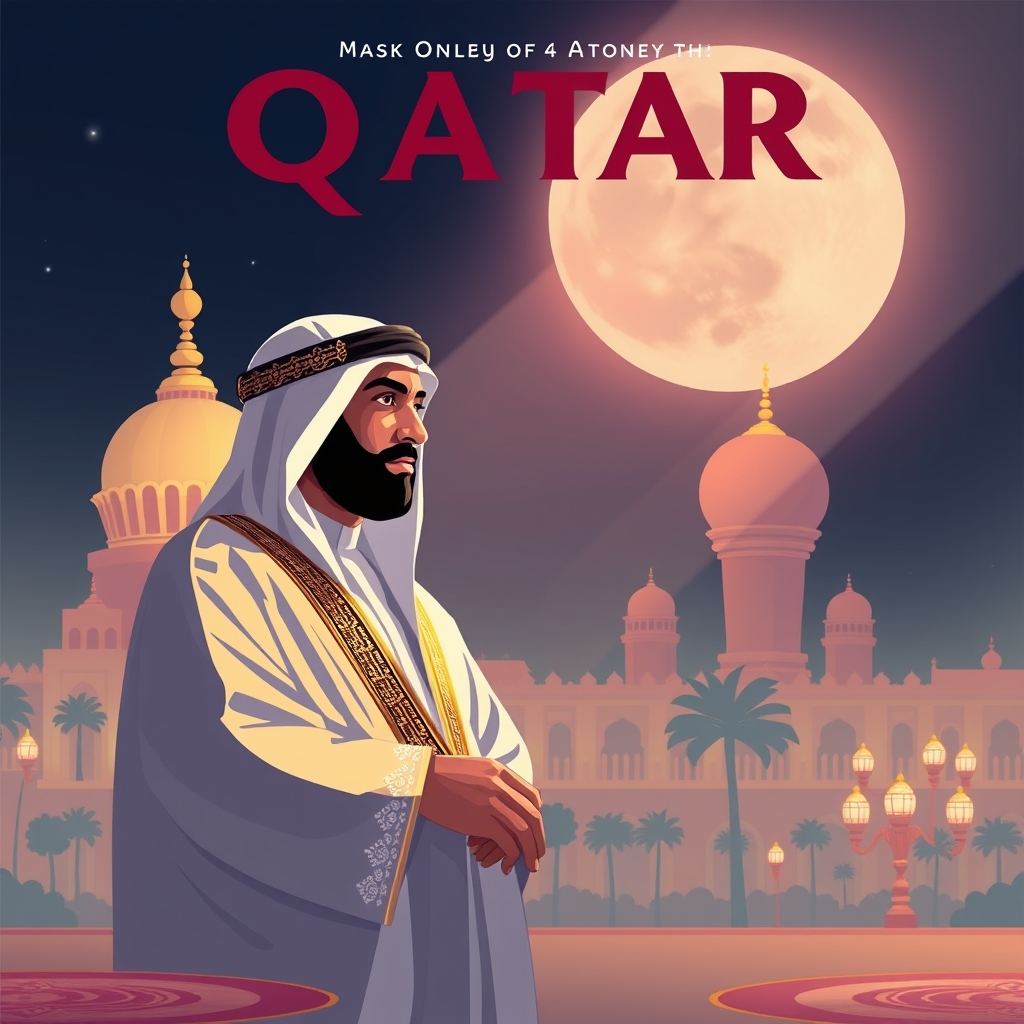
Passing of a Visionary: Qatar’s Former Ruler Sheikh Hamad Dies at 74
The death of Sheikh Hamad bin Khalifa Al Thani marks the end of an era for the Persian Gulf, as the man who transformed Qatar from a quiet peninsula into a global diplomatic and economic heavyweight passes away. His legacy is defined by a bold, independent foreign policy and a massive accumulation of soft power that continues to shape Middle Eastern geopolitics today.
Architect of Qatar’s Global Transformation
Sheikh Hamad’s reign was characterized by a rapid transition of Qatar from an inward-looking nation to an international crossroads. After seizing power in a bloodless coup in 1995, he pivoted the nation’s focus toward leveraging its immense oil and gas reserves to build global influence.
Under his leadership, Qatar established itself as a major player in media through the Al Jazeera satellite network, which fundamentally changed how the Arab world consumes news. His ambitions extended into the realms of sports and aviation, laying the groundwork for Qatar to host the 2022 FIFA World Cup and expanding Qatar Airways into a premier global carrier. From owning London’s Harrods to holding major stakes in international football clubs like Paris Saint-Germain, Sheikh Hamad ensured that Qatari capital became a ubiquitous force in the global economy.
A Controversial and Independent Diplomatic Doctrine
Sheikh Hamad was known for a "middle power" strategy that often prioritized Qatari interests over regional consensus. This independent-mindedness frequently brought Qatar into friction with neighbors like Saudi Arabia, the UAE, and Egypt. By maintaining ties with diverse and often controversial actors—including Iran, the Palestinian group Hamas, and the Muslim Brotherhood—Qatar positioned itself as an indispensable, albeit polarizing, mediator.
His diplomatic reach was extensive, facilitating talks in Sudan’s Darfur region, Lebanese factional disputes, and the Palestinian rift between Hamas and Fatah. Notably, his decision to open an office for the Taliban in Afghanistan served as a precursor to the complex diplomatic maneuvers that would later define Qatar’s role in the U.S. withdrawal from the country. While this approach drew criticism from Western allies and regional rivals, it established Doha as a critical hub for high-stakes international negotiations.
The Rare Transition of Power
One of Sheikh Hamad’s most significant legacies was his voluntary abdication in June 2013. By stepping down in favor of his son, Sheikh Tamim bin Hamad Al Thani, he avoided the instability that often accompanies leadership changes in the Middle East. This move was seen as a strategic effort to modernize the nation’s leadership and prepare for a new era of governance that could better engage a younger, more globalized Qatari population.
What It Means for India
The passing of Sheikh Hamad occurs at a time when India is deepening its strategic and energy ties with the Gulf Cooperation Council (GCC) countries. For New Delhi, the stability of Qatar's leadership transition remains paramount.
- Energy Security: As India seeks to diversify its energy basket, Qatar remains a critical supplier of Liquefied Natural Gas (LNG). The continuity of the energy policies established by Sheikh Hamad is vital for India's long-term energy security.
- Diaspora and Remittances: Millions of Indians reside and work in the Gulf, including Qatar. The economic stability and diplomatic predictability of the Qatari state, built under Sheikh Hamad, directly impact the welfare and remittances of the Indian diaspora.
- Strategic Autonomy in the Middle East: India’s "Link West" policy relies on engaging with various regional actors. Understanding the nuances of Qatar’s independent diplomacy—a hallmark of Sheikh Hamad's era—is essential for India to navigate the complex web of Middle Eastern alliances and maintain its balanced strategic interests.