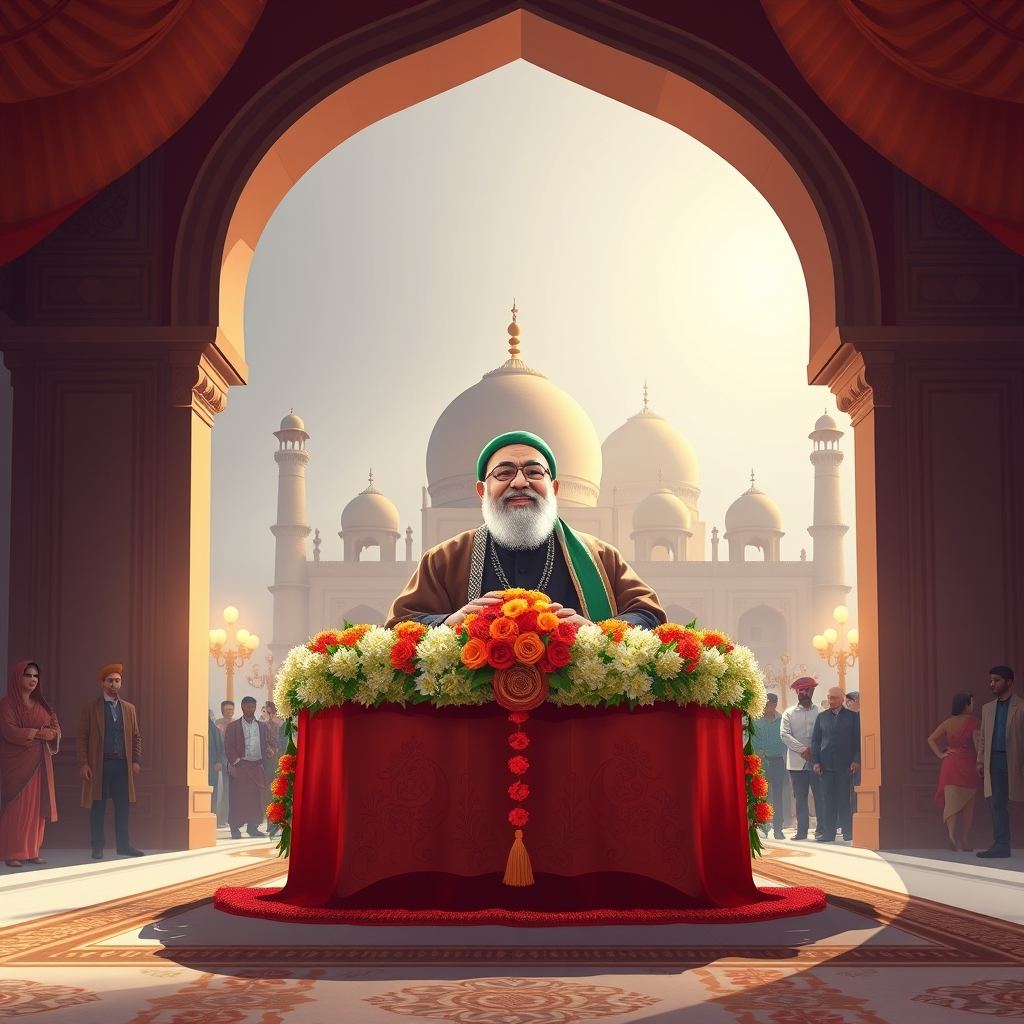
US Diplomatic Pressure Forces Nations to Skip Khamenei Funeral
The United States has reportedly launched an intensive diplomatic campaign to discourage global leaders from attending the funeral ceremonies of Iran's former Supreme Leader, Ayatollah Ali Khamenei. As the burial is scheduled for July 9, reports indicate that at least 13 countries have either withdrawn their participation or significantly reduced the size of their official delegations.
US Diplomatic Leverage and Aid Warnings
According to reports from Iranian media, the diplomatic maneuvering by Washington involved more than just high-level requests. The U.S. reportedly utilized economic and developmental leverage to dissuade nations from showing solidarity with the Iranian leadership. Specifically, some countries were warned that attending the funeral could lead to potential cuts in U.S.-linked development aid and negatively impact their existing bilateral relations with Washington.
This aggressive approach underscores the ongoing tension between the United States and the Islamic Republic of Iran. By targeting the funeral—a moment of profound national and religious significance for Iran—the U.S. is attempting to isolate the Iranian regime on the global stage. The reported withdrawal of 13 nations suggests that the threat of economic repercussions remains a potent tool in American foreign policy, even during moments of sensitive religious and political mourning.
The Geopolitical Isolation of Tehran
The funeral of a Supreme Leader is traditionally a major geopolitical event, serving as a platform for regional powers to signal their stance on the future of the Iranian state. By successfully pressuring a significant number of countries to scale back their presence, the U.S. is aiming to project a narrative of Iranian isolation.
The timing of these developments is critical. As Iran prepares for the burial on July 9, the reduced international presence may complicate Tehran's efforts to demonstrate its continued influence and legitimacy within the Middle East and the wider Islamic world. The tension between maintaining diplomatic ties with Iran and adhering to the stringent demands of the U.S. highlights the precarious balancing act many nations in the Global South and the Middle East must perform.
Strategic Implications for Global Diplomacy
The use of development aid as a tool for diplomatic coercion marks a significant trend in modern statecraft. While the U.S. views such measures as necessary to enforce its foreign policy objectives and counter Iranian influence, critics argue that it undermines the principle of sovereign diplomatic engagement.
For the international community, this incident serves as a reminder of the "zero-sum" nature of U.S.-Iran relations. Countries are being forced to choose between maintaining formal respect for Iranian state traditions and preserving their economic security through American partnerships. This dynamic is expected to shape how regional actors navigate the transition of power and the subsequent political shifts within Iran.
What It Means for India
- Strategic Autonomy: This development reinforces the necessity for India to maintain its "Strategic Autonomy," ensuring that its engagement with Iran—a vital energy partner and a key player in the INSTC corridor—is not dictated by external pressures from Washington.
- Energy and Connectivity Security: As the U.S. attempts to isolate Tehran, India must carefully manage its diplomatic communications to ensure that its long-term interests in regional connectivity and energy security are not caught in the crossfire of U.S.-Iran tensions.
- Navigating Multipolarity: The incident serves as a case study for Indian policymakers on how to navigate a multipolar world where economic aid is increasingly weaponized, necessitating a robust and independent foreign policy framework.