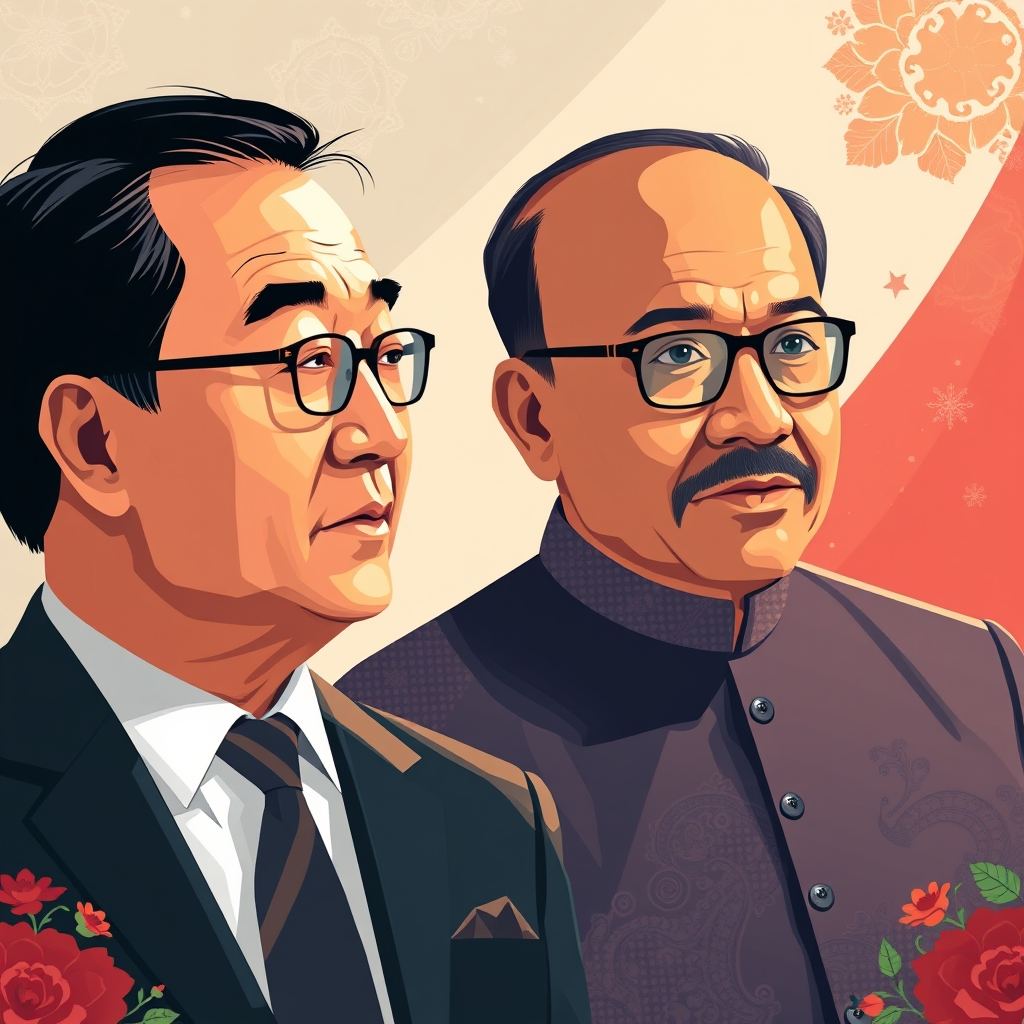
Wang Yi and Ajit Doval Meet: Can Stalled India-China Dialogues Resume?
High-level diplomatic engagement between India and China took center stage in New Delhi on June 22, 2026, as Chinese Foreign Minister Wang Yi met National Security Adviser Ajit Doval. The discussions, held on the sidelines of the BRICS National Security Advisers meeting, signal a critical attempt to move bilateral relations past their recent low points.
A Push to Revive Stalled Communication Channels
The primary takeaway from the meeting was China's call to "accelerate the resumption of dialogue mechanisms." According to Chinese Ambassador Xu Feihong, nearly 50 government-to-government dialogue frameworks between the two nations remain stalled. Wang Yi emphasized that reviving exchanges in trade, finance, law enforcement, and media is "essential" for stability.
While there are signs of gradual normalization—evidenced by the long-negotiated resumption of direct flights—the relationship remains in a state of cautious recovery. Both sides are currently finalizing arrangements for Mr. Doval to visit Beijing for a high-level round of talks under the Special Representatives mechanism. This visit is seen as a litmus test for the upcoming BRICS leaders' summit in September, where President Xi Jinping’s attendance in India remains a key point of speculation.
Managing the Border and Core Interests
A significant portion of the dialogue focused on the delicate management of the China-India boundary issue. Wang Yi suggested that the border dispute should be "placed in its appropriate position" to prevent it from derailing the entire bilateral relationship. This reflects Beijing's strategic desire to decouple border tensions from broader economic and geopolitical cooperation.
In response, NSA Ajit Doval underscored that stable, predictable, and constructive relations are vital for building trust. He noted that the consensus reached by Prime Minister Narendra Modi and President Xi Jinping during their previous meetings in Kazan (October 2024) and Tianjin (August 2025) provides the necessary roadmap. Doval reiterated India’s willingness to view the relationship through a strategic lens, focusing on "properly handling differences" to achieve a win-win outcome.
The "Partners, Not Rivals" Narrative
The Chinese readout emphasized a strategic consensus: India and China are "partners, not rivals." Wang Yi highlighted that as the two most populous economies, both nations have a responsibility to advance cooperation from a global standpoint and lead the Global South toward modernization.
India, for its part, maintained its principled diplomatic stance. Doval reminded the Chinese delegation of India’s historical recognition of "New China" and reaffirmed that India’s position on the Taiwan question remains unchanged. This serves as a subtle reminder that while India seeks stability, it will not compromise its sovereign interests or long-standing foreign policy tenets.
What It Means for India
- Strategic De-escalation: The push to resume dialogue mechanisms suggests a mutual desire to move away from the high-friction environment that has characterized the border standoff, potentially reducing the risk of accidental military escalation.
- Economic Calibration: As China seeks to restart financial and trade dialogues, India must balance the benefits of increased economic exchange with the need to protect domestic industries and manage trade deficits.
- Leadership in the Global South: The emphasis on the BRICS framework and the Global South indicates that both nations recognize their collective power to shape a multipolar international order, provided they can manage their bilateral volatility.