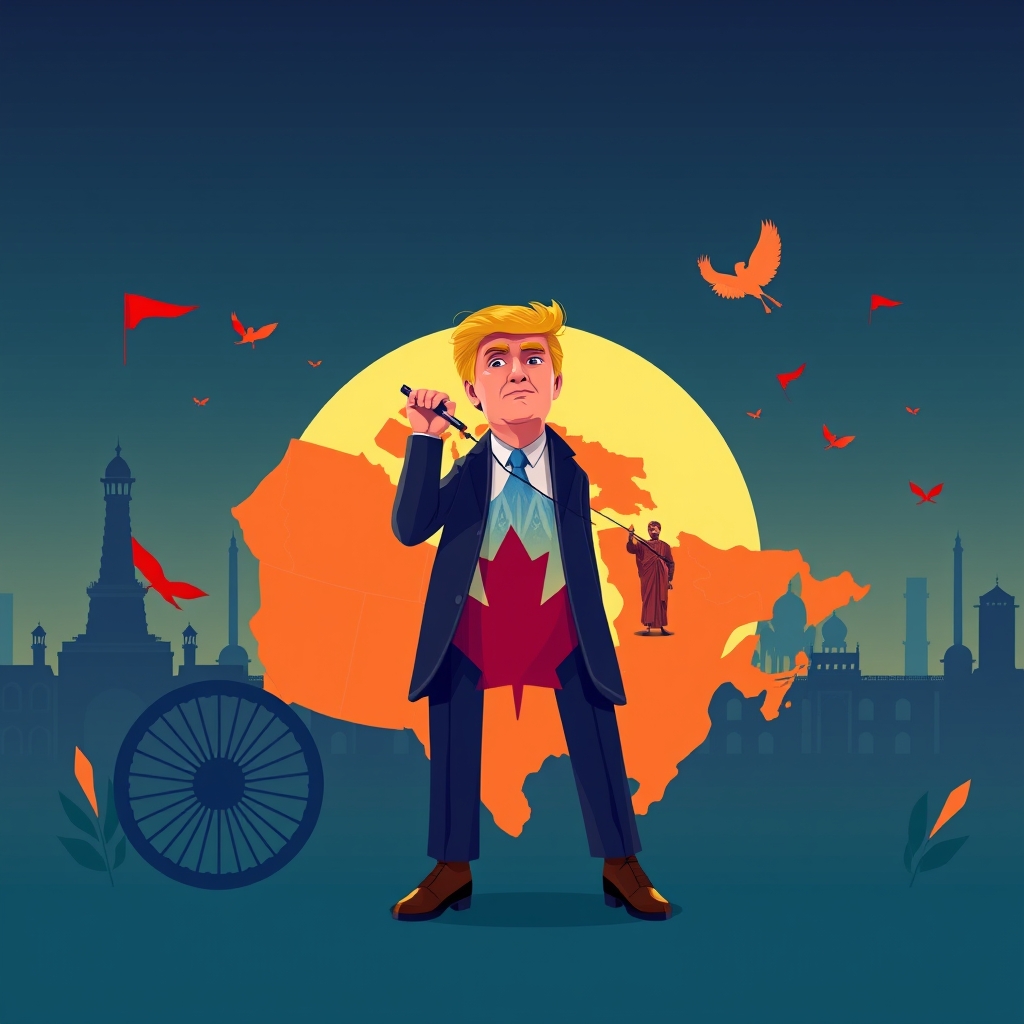
Trump Imposes 50% Tariffs on Canada: A New Era of Trade Volatility
US President Donald Trump has issued orders to impose sweeping 50% tariffs on a wide array of Canadian goods, citing discriminatory trade practices by Ottawa. This aggressive move, utilizing the untested Section 338 of the Tariff Act of 1930, signals a significant escalation in North American trade tensions and threatens the stability of the USMCA framework.
The Catalyst: Allegations of Discrimination
On Monday, July 21, 2026, the White House announced that the new duties would target various Canadian products, including wine, hockey sticks, and cement. US Trade Representative Jamieson Greer justified the move by accusing Canada of retaliatory behavior, specifically noting that Canadian provinces have restricted US alcohol, granted better market access to EU dairy, and placed caps on US vehicle exports.
Notably, the administration has grouped Canada with China as one of only two nations that have actively retaliated against US trade actions since 2025. While energy and potash are currently exempt, the tariffs directly challenge the United States-Mexico-Canada Agreement (USMCA), a cornerstone of North American economic integration.
Legal Maneuvers and the Search for Leverage
In a move that has surprised legal experts, President Trump is bypassing traditional trade authorities to use Section 338 of the Tariff Act of 1930. This specific provision has never been used to impose tariffs before, leading analysts like Scott Lincicome of the Cato Institute to suggest a "willingness to use and abuse any statute on the books."
Experts argue that the 30-day implementation window is a tactical delay designed to exert maximum leverage. With US-Mexico negotiations progressing faster than those with Canada, the administration appears to be using these tariffs to force Ottawa to the negotiating table to modernize and align the USMCA more closely with American interests.
Canada’s Response and the Risk of Escalation
Canadian Prime Minister Mark Carney has responded by stating that Canada is prepared to "intensify" talks but has already begun matching US measures in kind. Carney characterized the tariffs as unilateral violations of existing trade agreements.
The economic stakes are high. While the US alcohol industry has welcomed the acknowledgement of Canada’s restrictions, there is widespread fear regarding a "tit-for-tat" trade war. As businesses face increased uncertainty and potential litigation over the legality of Section 338, the risk of a broader disruption to North American supply chains remains elevated.
What It Means for India
The fracturing of the USMCA and the shift toward unilateralism in US trade policy present a complex landscape for India’s strategic and economic interests:
- Supply Chain Diversification: As trade volatility increases between the US and its neighbors, Indian exporters in sectors like chemicals, textiles, and processed foods may find new opportunities to fill gaps in the North American market, provided they can navigate the increasing complexity of US trade barriers.
- The Precedent of Unilateralism: The use of untested legal provisions like Section 338 sets a concerning global precedent. India must remain vigilant as the US moves toward a more protectionist "America First" stance, which could eventually extend to Indo-US trade relations, particularly in sectors where India maintains a competitive edge.
- Strategic Hedging: The instability in North American trade dynamics underscores the importance of India’s "multi-aligned" foreign policy. As traditional trade blocs face internal friction, India’s ability to strengthen bilateral ties with both the US and emerging markets in Europe and the Global South will be critical to ensuring economic resilience.