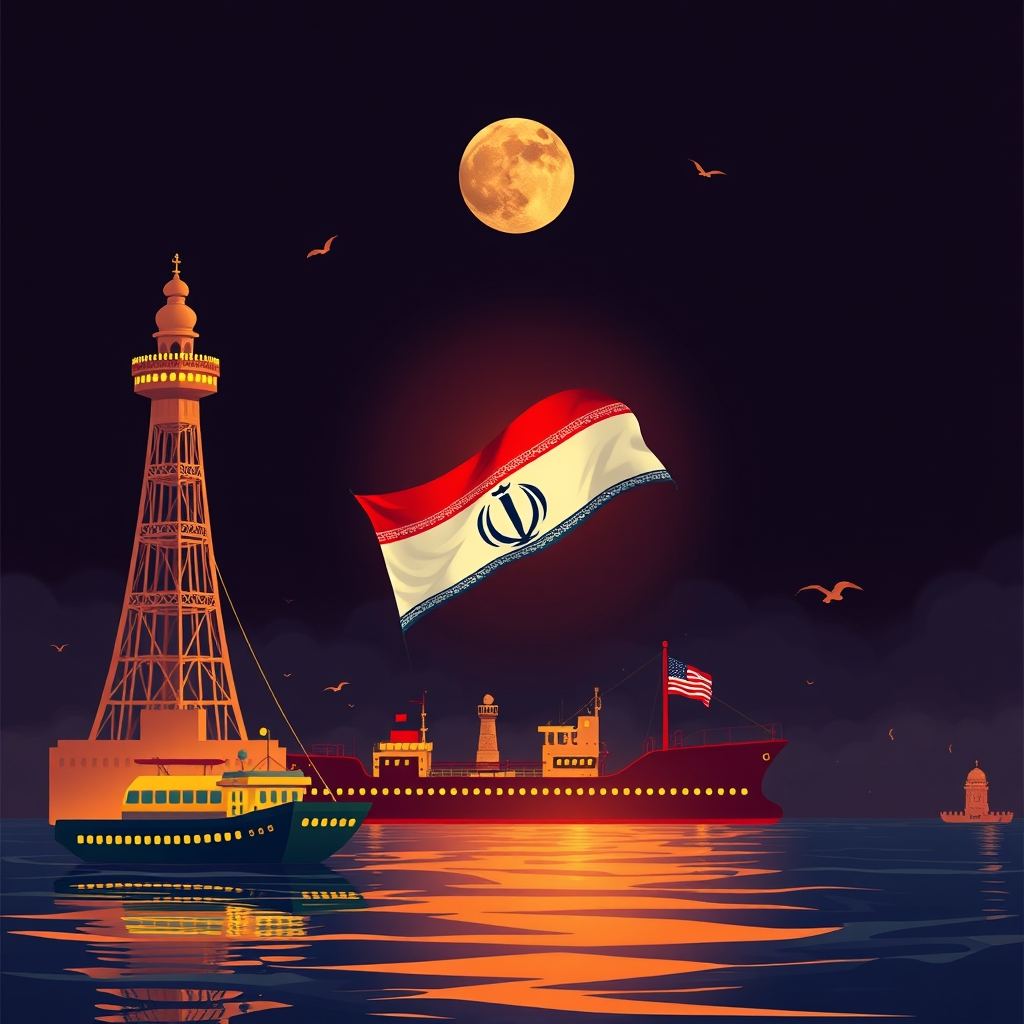
Iran Moves to Regulate Strait of Hormuz Amid Escalating US Tensions
Tensions in West Asia have reached a fever pitch as Iran’s parliament introduces a landmark bill to assert control over the Strait of Hormuz. This legislative move comes at a critical moment of military friction between Tehran and Washington, threatening the stability of one of the world's most vital maritime chokepoints.
Tehran’s Legislative Push for Maritime Sovereignty
On July 14, 2026, Ebrahim Azizi, the head of Iran's parliamentary security committee, announced the formal introduction of the 'Strategic Action for the Security and Sustainable Progress of the Strait of Hormuz and the Persian Gulf' bill. The timing of this legislative move is significant, coinciding with the downing of U.S. drones by Iranian forces.
The bill represents Tehran's attempt to codify its authority over the waterway, with the Iranian government envisaging a role in overseeing transit and potentially imposing fees on vessels passing through the strait. Azizi emphasized that this is merely the "first step" in a series of measures designed to defend Iran's "red lines" regarding the management of the Persian Gulf and the Strait of Hormuz.
Escalating Conflict and the Collapse of Diplomacy
The introduction of this bill follows a breakdown in the fragile peace attempt that had emerged last month. A framework deal, intended to end the broader West Asia war, appears to be collapsing under the weight of disagreements over maritime management.
The situation has escalated into direct military and economic confrontation. On July 13, 2026, U.S. President Donald Trump declared that the United States would "take over" Hormuz and reimpose a blockade on Iranian ports. In a significant shift in maritime policy, the U.S. has proposed a 20 percent fee on cargo transiting the waterway, a move designed to counter Iran's own ambitions for transit revenue. Following these developments, Iran declared the strait closed on July 12, a move that has sent shockwaves through global energy markets.
Internal Political Dynamics in Tehran
The crisis is also playing out within the halls of the Iranian Parliament, led by Mohammad Bagher Ghalibaf. Ghalibaf, who also serves as the chief negotiator with Washington, finds himself in a complex position. While he manages the high-stakes diplomacy, a significant faction of lawmakers remains staunchly opposed to any negotiations with the United States. These lawmakers have expressed deep concerns regarding the lack of parliamentary oversight in the recent Memorandum of Understanding (MoU) signed with Washington, signaling that any potential peace deal must satisfy hardliners in Tehran to remain viable.
What It Means for India
The volatility in the Strait of Hormuz poses direct and multifaceted challenges to India's national interests:
- Energy Security Risks: As a major importer of crude oil from the Persian Gulf, any prolonged closure of the Strait or an increase in transit fees—whether imposed by Iran or the U.S.—will lead to a sharp spike in energy prices, impacting India's fiscal deficit and inflation.
- Maritime Trade Disruptions: India’s trade routes to Europe and East Asia rely heavily on the stability of this chokepoint. Increased military presence and the threat of blockades could force Indian shipping companies to take longer, more expensive alternative routes.
- Strategic Balancing Act: The escalation forces New Delhi to navigate a delicate diplomatic path, ensuring its energy needs are met while maintaining its strategic autonomy amidst the intensifying confrontation between a major Middle Eastern power and the United States.