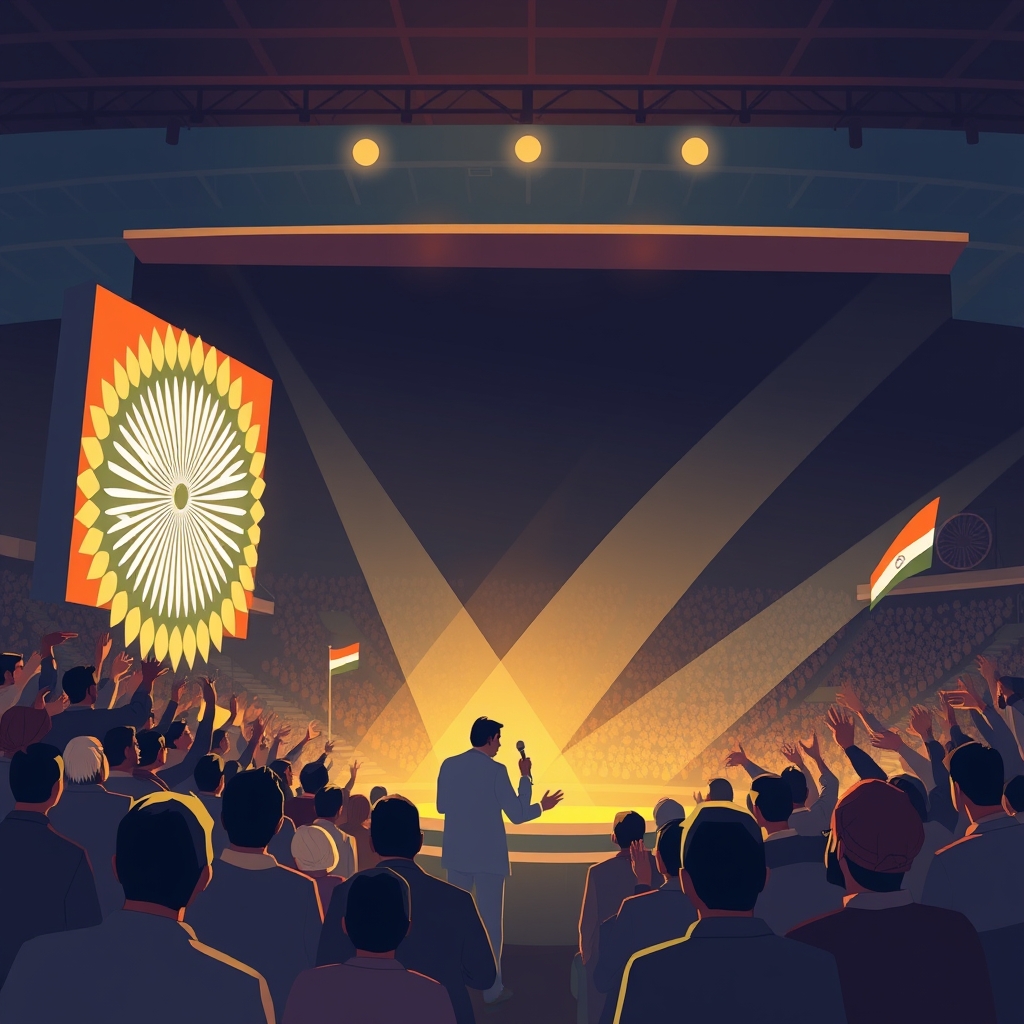
सत्तर हजार लोकांचा एका माणसाला ओरडून निषेध करण्याचा आवाज काहीसा वेगळाच असतो. बहुतेक कलाकार यापासून मागे हटतात. काही जण ते सहन करायला शिकतात. पण जॉन सीना—व्यावसायिक कुस्तीगीर, अभिनेता आणि विचित्र वाटेल पण, टिकाऊ लवचिकतेचा (resilience) एक उत्तम नमुना—त्यांनी तिसरा पर्याय शोधला. जेव्हा जेव्हा प्रेक्षक प्रतिकूल असायचे, तेव्हा त्यांनी अधिक जोमाने धावण्याचा निर्णय घेतला. ज्या युगात सोशल मीडियावरील एका वादाच्या चक्रामुळे करिअर उद्ध्वस्त होऊ शकते आणि संस्था ठप्प होऊ शकतात, त्यामध्ये सीनांचा शत्रुत्वाबद्दलचा दृष्टिकोन कुस्तीच्या रिंगच्या पलीकडे जाऊन लक्ष देण्यासारखा आहे. टीका तुमच्या मर्यादा ठरवण्याऐवजी तुमच्या कामगिरीला अधिक परिष्कृत (refine) करू दे, असे उपयुक्त तत्वज्ञान ते प्रत्येकासाठी मांडतात जे प्रकाशाच्या झोतात आणि कठोर टीकेच्या छायेत काम करतात.
निषेधाचे मानसशास्त्र
जेव्हा सीना निषेध (boos) ऐकण्याबद्दल बोलतात, तेव्हा ते एका विशिष्ट, तीव्र नाकारण्याबद्दल बोलत असतात. हे केवळ सभ्य असहमती किंवा टीकात्मक पुनरावलोकन नसून, संपूर्ण स्टेडियममधून थेट त्यांच्यावर निर्देशित केलेले शत्रुत्व असते. त्यांची प्रतिक्रिया नकार देणारी नव्हती, किंवा बचावात्मक आत्म-दया दाखवणारीही नव्हती. त्यांनी त्या आवाजाकडे आपला प्रयत्न वाढवण्याचे संकेत (cue) म्हणून पाहिले. हे महत्त्वाचे आहे कारण नैसर्गिक प्रतिक्रिया नेमकी याच्या अगदी उलट असते. मानवी मज्जासंस्था सार्वजनिक नाकारण्याकडे एक शारीरिक धोका म्हणून पाहते. शब्दांनी प्रत्युत्तर देणे, स्वतःचे स्पष्टीकरण देणे किंवा पूर्णपणे माघार घेणे ही नैसर्गिक प्रवृत्ती असते. सीनांचे शिस्तबद्ध वर्तन म्हणजे ती नैसर्गिक प्रतिक्रिया टाळून त्या ॲड्रेनालाईनला (adrenaline) त्यांच्या कामाकडे वळवणे हे होते.
प्रसिद्धी (visibility) ही दयाळूपणाच्या आश्वासनासह येत नाही, हे त्यांना समजले होते. जागतिक मंचावर पाऊल टाकताच, एखाद्या जहाजाला जसे समुद्री जीव (barnacles) चिकटतात, तसे लोकांची मते तुमच्यावर जमा होऊ लागतात. काही मते निरुपद्रवी असतात; तर काही तुम्हाला सक्रियपणे मागे खेचतात. प्रेक्षक एखाद्या क्षणी काय विचार करतात आणि कलाकार आपल्या तयारीबद्दल काय जाणतो, यामधील फरक ओळखणे अत्यंत महत्त्वाचे आहे. सीनांच्या चौकटीत स्वतःचे मूल्य (self-worth) प्रेक्षकांच्या तात्काळ भावनिक प्रतिसादापासून वेगळे करणे आवश्यक आहे. निषेध हा प्रसिद्धीबद्दलचा डेटा आहे, चारित्र्यावर दिलेला निकाल नाही. तुमचे कौशल्य ही एक नियंत्रणाखालील गोष्ट आहे; पण प्रेक्षकांची प्रतिक्रिया तशी नाही. हे समजायला सोपे वाटते, परंतु जेव्हा टीका रिअल-टाइममध्ये होत असते, कोट्यवधी लोकांपर्यंत पोहोचते आणि नकारात्मकता वाढवण्यासाठी डिझाइन केलेल्या अल्गोरिदमद्वारे अधिक तीव्र केली जाते, तेव्हा हे अंतर राखणे कठीण असते.
शांतपणे केलेले काम हेच सर्वात मोठे प्रत्युत्तर
सीनांच्या दृष्टिकोनातील कदाचित सर्वात व्यावहारिक घटक म्हणजे टीकाकारांशी त्यांच्या अटींवर चर्चा करण्यास नकार देणे. त्यांनी पत्रकार परिषदांमध्ये स्वतःचा द्वेष करणाऱ्या चाहत्यांशी वाद घालण्यात वेळ वाया घालवला नाही. ज्यांनी आधीच त्यांच्याबद्दल नकारात्मक निर्णय घेतला आहे, त्यांच्या मान्यतेसाठी त्यांनी आपली सार्वजनिक प्रतिमा बदलली नाही. त्याऐवजी, ते अधिक लवकर आले, अधिक कठोर सराव केला आणि यांत्रिक सातत्यपूर्णतेने आपली कामे पूर्ण केली. शंकांचे निरसन करण्यासाठी त्यांनी प्रत्यक्ष कामातून उत्तर दिले.
ही रणनीती काम करते कारण शब्दांनी होणारा वाद टीकाकारांचे मन क्वचितच बदलू शकतो. चक्राकार वादामुळे अशी ऊर्जा खर्च होते जी सुधारणेसाठी वापरता आली असती. सीनांच्या तर्कानुसार, बचावात्मक पवित्रा घेतल्याने तीच नकारात्मकता वाढते ज्याला आपण दाबण्याचा प्रयत्न करत असतो. याला पर्याय म्हणजे कामाचा दर्जा इतका उत्तम ठेवणे की तोच ऐकण्यासारखा एकमेव संदेश बनेल. हा बदल सूक्ष्म पण निर्णायक आहे: स्वतःचा बचाव करण्याऐवजी ध्येयाला परिपूर्ण करण्याकडे वळणे. जेव्हा टीका येते, तेव्हा प्रश्न "मी त्यांना स्वतःला कसे पटवून देऊ?" असा नसून "मी माझ्या कामाची पुढची आवृत्ती (iteration) अशी कशी बनवू की ती कोणीही नाकारू शकणार नाही?" असा असतो. हा मानसिक बदल गती (momentum) टिकवून ठेवण्यास मदत करतो. यामुळे यशाचे मोजमापही बदलते. तुम्ही यशाचे मोजमाप टाळ्यांच्या कडकडाटावरून करणे थांबवता आणि कामाच्या गुणवत्तेवरून करू लागता.
रिंगपासून जागतिक मंचापर्यंत
सीनांनी ही मानसिकता व्यावसायिक कुस्तीच्या नियोजित आणि शारीरिक नाट्यमयतेमध्ये विकसित केली, तरीही याचे नियम भू-राजकारण (geopolitics) आणि राष्ट्रीय धोरणांना तंतोतंत लागू होतात. आधुनिक नेते आणि संस्थांना प्रत्यक्ष 'बूइंग'चा सामना करावा लागत नाही, परंतु त्यांना त्याच्याशी साधर्म्य असलेल्या गोष्टींचा सामना करावा लागतो: व्यापार निर्बंध, राजनैतिक निषेध, समन्वित मीडिया शत्रुत्व आणि पारंपारिक सत्ता केंद्रांकडून होणारी सार्वजनिक शंका. हे दबाव सतत असतात आणि बाह्य आक्रमणाखाली असताना एखादा देश किंवा संस्था आपले धोरणात्मक लक्ष (strategic focus) टिकवून ठेवू शकते की नाही, याची ही परीक्षा असते.
Enduring power requires more than stubborn endurance. Grit alone can become mere inflexibility. What Cena’s model suggests is a more active form of resilience: the capacity to absorb external friction and convert it into internal energy for reform and growth. When a country faces diplomatic criticism for pursuing an independent path, the productive response is rarely the verbal counterattack. It is the quiet acceleration of domestic capacity. When an economy faces external skepticism, the answer is not a public relations campaign alone, but the harder work of building systems that do not depend on external approval. The intellectual and emotional discipline required to do this at a national scale is immense, but it follows the same logic Cena applied in the ring. Control what you can control. Let the rest be noise that signals you are visible enough to matter.
What This Means for India
India’s current trajectory places it squarely in the kind of high-visibility, high-scrutiny environment where these lessons become operational necessities. As the country asserts greater strategic autonomy, it will inevitably hear more boos from established power blocs uncomfortable with independent voices. The question is how India processes that pressure.
Navigating geopolitical scrutiny. New Delhi’s independent stances on trade, defense, and global conflict inevitably draw criticism from those who expect alignment. A Cena-esque response would treat that criticism as confirmation that India occupies a position weighty enough to attract dissent. Rather than chasing diplomatic approval through concession, the focus stays fixed on developmental and security objectives. The rebuttal to external pressure is not a press release; it is a functioning port, a commissioned defense system, a completed infrastructure project.
Economic skepticism as fuel. Global markets and trade forums have expressed repeated skepticism about India’s capacity to build complex domestic manufacturing ecosystems. The Atmanirbhar Bharat push—its emphasis on self-reliance in semiconductors, defense manufacturing, and consumer goods—can be read precisely as the choice to answer doubt with output. External skepticism about Indian competitiveness becomes the prompt to strengthen supply chains, streamline labor policy, and fix the structural bottlenecks that foreign observers correctly identify. The criticism is not ignored; it is metabolized into work.
Internal discourse and institutional growth. Societies, like individuals, face the choice between defensive hostility and constructive response when confronted with internal criticism. Institutions that treat every critique as an attack tend to calcify. Those that treat it as operational data tend to adapt. Building a culture where citizens and institutions can absorb correction without retaliatory posturing enhances social cohesion more effectively than enforced consensus ever could. The goal is not to eliminate disagreement but to ensure the disagreement produces better roads, faster courts, and more responsive agencies rather than paralysis.
The Real Takeaway
John Cena’s philosophy contains no magic. It is not about ignoring pain or pretending negativity does not sting. It is about a specific sequencing of priorities. First, you accept that visibility and criticism travel together. Second, you refuse to burn your fuel on verbal self-defense. Third, you redirect the energy into the work itself. For individuals, that means craft. For nations, it means institutions, infrastructure, and strategic clarity. The crowd will make noise regardless. The only question is whether you let that noise stop your stride, or whether you use it to keep time as you move forward.