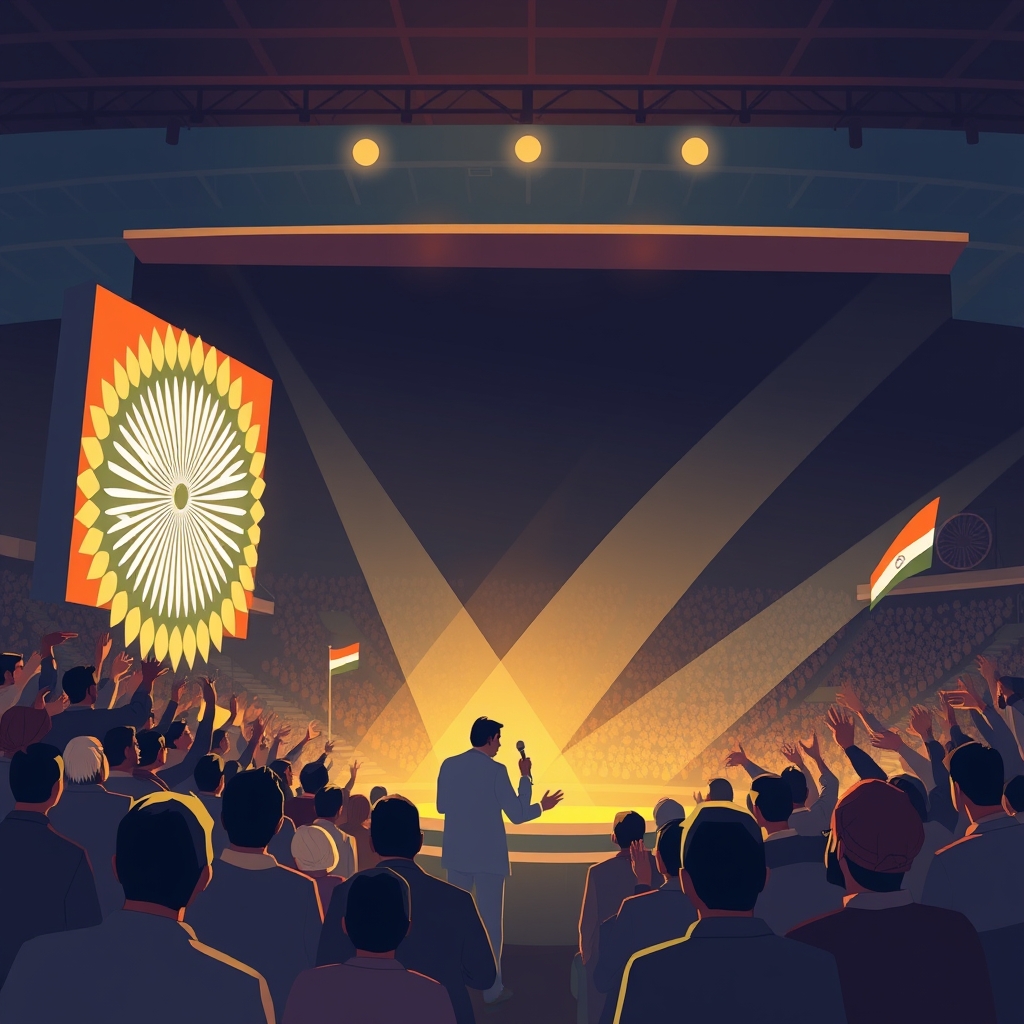
7만 명의 사람들이 한 남자를 향해 야유를 퍼붓는 소리에는 기묘한 울림이 있다. 대부분의 공연자는 그 소리에 위축된다. 소수는 그것을 견뎌내는 법을 배운다. 하지만 프로레슬러이자 배우, 그리고 묘하게도 끈질긴 회복탄력성의 사례 연구 대상인 존 시나(John Cena)는 제3의 선택지를 찾아냈다. 그는 관중의 분위기가 험악해질 때마다 더 세차게 질주하기로 결심했다. 소셜 미디어의 분노가 한 번 휘몰아치는 것만으로도 커리어가 망가지고 기관이 마비될 수 있는 시대에, 적대감을 대하는 시나의 방식은 레슬링 링을 넘어선 곳에서도 주목할 가치가 있다. 그는 화려한 조명 아래 혹독한 심판을 받는 모든 이들에게 실용적인 철학을 제시한다. 비판이 당신의 한계를 규정하게 두지 말고, 당신의 성과를 정교하게 다듬는 도구로 삼으라는 것이다.
야유의 심리학
시나가 야유를 듣는 것에 대해 말할 때, 그는 특정한, 본능적인 거부를 의미한다. 정중한 이견이나 비판적인 리뷰가 아니라, 경기장 전체가 그를 향해 쏟아내는 노골적인 적대감이다. 그의 대응은 부정(denial)도, 방어적인 자기연민으로의 후퇴도 아니었다. 그는 그 소음을 노력을 더 쏟아부으라는 신호로 받아들였다. 이것이 중요한 이유는 인간의 자연스러운 반사 작용은 정확히 그 반대이기 때문이다. 인간의 신경계는 대중의 거부를 신체적 위협으로 인식한다. 말로 맞서 싸우거나, 자신을 변호하거나, 혹은 완전히 물러나고 싶은 충동이 일어난다. 시나의 절제력은 그 반사 작용을 우회하여 아드레날린을 자신의 작업으로 돌리는 데 있었다.
그는 대중의 주목(Visibility)이 친절을 보장하지 않는다는 점을 이해하고 있었다. 세계적인 무대에 서면 배가 따개비를 수집하듯 수많은 의견을 얻게 된다. 어떤 것은 해롭지 않은 부착물이지만, 어떤 것은 당신의 발목을 잡는다. 핵심적인 구분은 관중이 특정 순간에 생각하는 것과 공연자가 자신의 준비 과정에 대해 알고 있는 것 사이의 차이다. 시나의 프레임워크는 자아 존중감을 관중의 즉각적인 감정적 피드백으로부터 분리할 것을 요구한다. 야유는 주목도에 대한 데이터일 뿐, 인격에 대한 판결이 아니다. 기술은 통제 가능한 변수이지만, 관중의 반응은 그렇지 않다. 이 구분은 단순해 보이지만, 비판이 실시간으로 일어나 수백만 명에게 중계되고 부정적인 면을 증폭시키도록 설계된 알고리즘에 의해 강화될 때는 유지하기가 매우 어렵다.
궁극의 반박으로서의 묵묵한 노력
시나의 방식에서 아마도 가장 실용적인 요소는 비판자들의 방식대로 그들과 맞서기를 거부하는 것이다. 그는 기자회견에서 자신을 싫어하는 팬들과 논쟁하며 시간을 보내지 않았다. 이미 자신을 부정하기로 결심한 이들의 인정을 받기 위해 자신의 대중적 이미지를 바꾸지도 않았다. 대신 그는 더 일찍 나타났고, 더 열심히 훈련했으며, 기계적인 일관성을 가지고 자신의 임무를 수행했다. 회의론에 대한 그의 대답은 눈에 보이는 결과물이었다.
이 전략이 효과적인 이유는 말싸움으로는 비판자들을 설득하기 어렵기 때문이다. 순환 논리는 개선에 쓰일 수 있는 에너지를 소모할 뿐이다. 시나의 논리에 따르면, 방어적인 태도는 억제하려는 바로 그 부정적인 면을 오히려 증폭시킨다. 대안은 작업의 질 자체가 들을 가치가 있는 유일한 메시지가 되게 하는 것이다. 이 변화는 미묘하지만 결정적이다. 자아를 방어하는 것에서 임무를 완수하는 것으로의 전환이다. 비판이 닥칠 때, 질문은 "어떻게 하면 그들이 나를 이해하게 만들까?"가 아니라 "어떻게 하면 다음 작업물을 부정할 수 없게 만들까?"가 되어야 한다. 이러한 사고의 전환은 추진력을 보호한다. 또한 점수판을 바꾼다. 성공을 박수 소리로 측정하는 것을 멈추고, 결과물의 완성도로 측정하기 시작하는 것이다.
링에서 세계 무대로
시나는 프로레슬링이라는 각본이 있고 신체적인 연극적 요소가 강한 환경에서 이러한 사고방식을 발전시켰지만, 그 원리는 지정학 및 국가 전략에도 명확히 적용된다. 현대의 지도자와 기관들이 문자 그대로의 야유를 받지는 않지만, 그에 상응하는 것들을 마주한다. 무역 제재, 외교적 비난, 조직적인 미디어의 적대감, 그리고 전통적인 권력 중심지로부터의 대중적 회의론 등이 그것이다. 압박은 끊임없이 이어지며, 이는 국가나 조직이 외부의 공격을 받는 와중에도 전략적 집중력을 유지할 수 있는지를 시험한다.
Enduring power requires more than stubborn endurance. Grit alone can become mere inflexibility. What Cena’s model suggests is a more active form of resilience: the capacity to absorb external friction and convert it into internal energy for reform and growth. When a country faces diplomatic criticism for pursuing an independent path, the productive response is rarely the verbal counterattack. It is the quiet acceleration of domestic capacity. When an economy faces external skepticism, the answer is not a public relations campaign alone, but the harder work of building systems that do not depend on external approval. The intellectual and emotional discipline required to do this at a national scale is immense, but it follows the same logic Cena applied in the ring. Control what you can control. Let the rest be noise that signals you are visible enough to matter.
What This Means for India
India’s current trajectory places it squarely in the kind of high-visibility, high-scrutiny environment where these lessons become operational necessities. As the country asserts greater strategic autonomy, it will inevitably hear more boos from established power blocs uncomfortable with independent voices. The question is how India processes that pressure.
Navigating geopolitical scrutiny. New Delhi’s independent stances on trade, defense, and global conflict inevitably draw criticism from those who expect alignment. A Cena-esque response would treat that criticism as confirmation that India occupies a position weighty enough to attract dissent. Rather than chasing diplomatic approval through concession, the focus stays fixed on developmental and security objectives. The rebuttal to external pressure is not a press release; it is a functioning port, a commissioned defense system, a completed infrastructure project.
Economic skepticism as fuel. Global markets and trade forums have expressed repeated skepticism about India’s capacity to build complex domestic manufacturing ecosystems. The Atmanirbhar Bharat push—its emphasis on self-reliance in semiconductors, defense manufacturing, and consumer goods—can be read precisely as the choice to answer doubt with output. External skepticism about Indian competitiveness becomes the prompt to strengthen supply chains, streamline labor policy, and fix the structural bottlenecks that foreign observers correctly identify. The criticism is not ignored; it is metabolized into work.
Internal discourse and institutional growth. Societies, like individuals, face the choice between defensive hostility and constructive response when confronted with internal criticism. Institutions that treat every critique as an attack tend to calcify. Those that treat it as operational data tend to adapt. Building a culture where citizens and institutions can absorb correction without retaliatory posturing enhances social cohesion more effectively than enforced consensus ever could. The goal is not to eliminate disagreement but to ensure the disagreement produces better roads, faster courts, and more responsive agencies rather than paralysis.
The Real Takeaway
John Cena’s philosophy contains no magic. It is not about ignoring pain or pretending negativity does not sting. It is about a specific sequencing of priorities. First, you accept that visibility and criticism travel together. Second, you refuse to burn your fuel on verbal self-defense. Third, you redirect the energy into the work itself. For individuals, that means craft. For nations, it means institutions, infrastructure, and strategic clarity. The crowd will make noise regardless. The only question is whether you let that noise stop your stride, or whether you use it to keep time as you move forward.