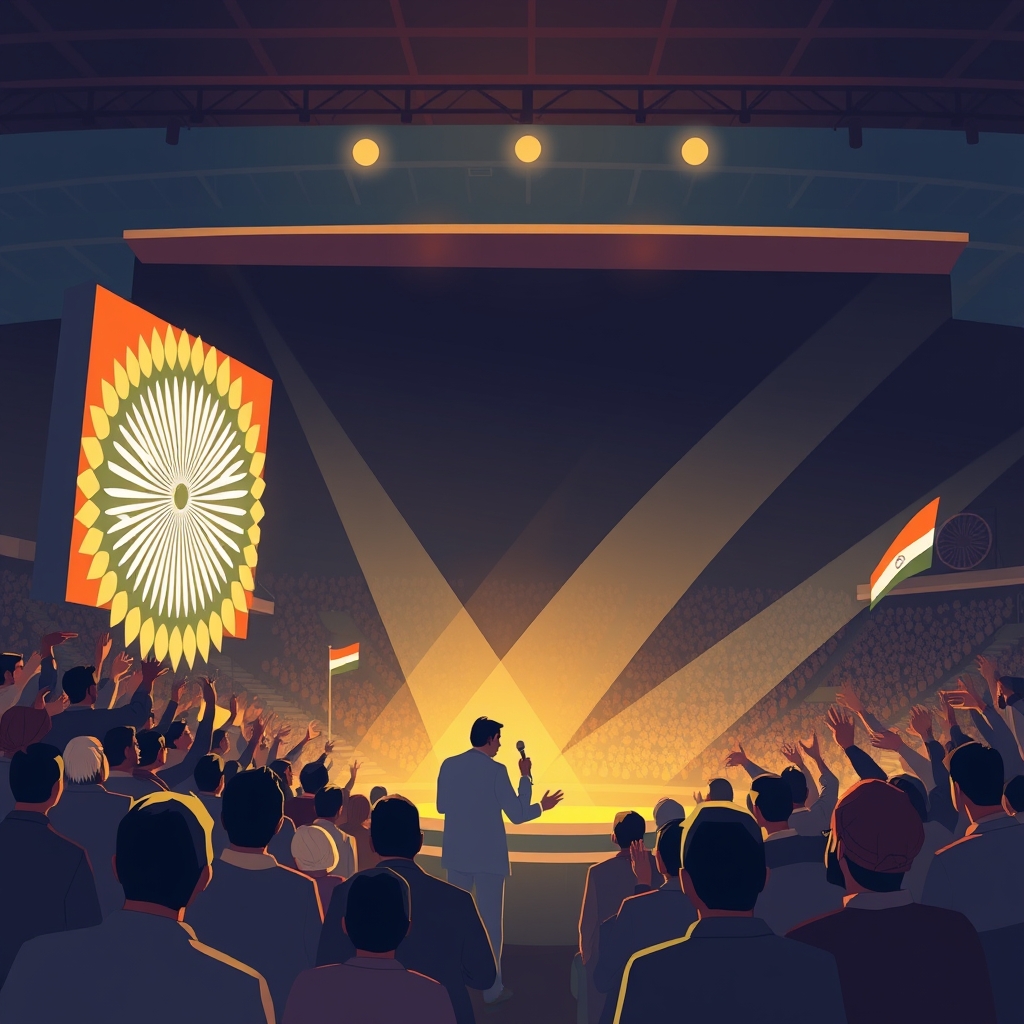
七万人齐声嘘向一个人的声音,有一种奇特的质感。大多数表演者会因此畏缩,少数人学会了忍受。但约翰·塞纳(John Cena)——职业摔角手、演员,且出人意料地成为了韧性研究的一个案例——找到了第三种选择。他决定每当观众情绪转坏时,就跑得更快。在这个社交媒体的一次舆论风暴就能让职业生涯脱轨、让机构陷入停滞的时代,塞纳应对敌意的方式值得在摔角擂台之外引起广泛关注。他为任何在聚光灯下和严苛审视中工作的人提供了一种可行的哲学:让批评磨炼你的表现,而不是定义你的极限。
嘘声背后的心理学
当塞纳谈到听到嘘声时,他指的是一种特定的、发自肺腑的排斥。那不是礼貌的分歧或批评性的评论,而是整个竞技场内直指他个人的敌意。他的反应既不是否认,也不是退缩到防御性的自怜中。他将这种噪音视为增加努力程度的信号。这很重要,因为人类的本能反应恰恰相反。人类神经系统会将公众的排斥视为一种身体威胁。冲动往往是言语反击、自我辩解或彻底退缩。塞纳的自律在于绕过这种反射,并将肾上腺素重新导向他的工作。
他明白,成名并不意味着会得到善待。登上全球舞台,你收集意见的方式就像船只收集藤壶一样。有些是无害的附着物,有些则会主动拖慢你的速度。关键的区分在于:观众在某一时刻的想法,与表演者对自己准备工作的认知。塞纳的框架要求将自我价值感与观众即时的情感反馈剥离开来。嘘声是关于曝光度的反馈数据,而非对人格的审判。技艺是可控变量,而观众的反应则不然。这种区别听起来很简单,但当批评实时发生、向数百万人广播,并被旨在放大负面情绪的算法不断强化时,想要维持这种区分是非常困难的。
以默默耕耘作为终极反击
塞纳方法中最具实践意义的一点,或许是他拒绝按照批评者的规则进行交锋。他不会在新闻发布会上与讨厌他的粉丝争论。他也不会为了博取那些早已否定他的人的认可而改变自己的公众形象。相反,他会更早到场,训练更刻苦,并以机械般的稳定性完成任务。他对质疑的回应是实实在在的产出。
这种策略之所以奏效,是因为言语对抗很少能说服反对者。循环往复的争论会消耗本可以用于提升的精力。在塞纳的逻辑中,防御性的姿态反而会放大它试图压制的负面情绪。另一种选择是让作品的质量成为唯一值得倾听的声明。这种转变微妙而果断:从捍卫自我转向完善使命。当批评来临时,问题不再是“我如何让他们理解我?”,而是“我如何让下一次的作品迭代变得无可辩驳?”这种心态的转变保护了势头,同时也改变了计分板。你不再以掌声来衡量成功,而是开始以产出的质量与严谨性来衡量。
从擂台到世界舞台
塞纳是在职业摔角这种充满剧本色彩的肢体剧场中培养出这种心态的,但其运作机制可以完美地应用于地缘政治和国家战略。现代领导者和机构虽然不会面对字面意义上的嘘声,但他们会遇到等效的挑战:贸易制裁、外交谴责、协同的媒体敌意,以及来自传统权力中心的公众质疑。压力是持续不断的,它们考验着一个国家或一个组织在遭受外部火力打击时,是否能够保持战略定力。
Enduring power requires more than stubborn endurance. Grit alone can become mere inflexibility. What Cena’s model suggests is a more active form of resilience: the capacity to absorb external friction and convert it into internal energy for reform and growth. When a country faces diplomatic criticism for pursuing an independent path, the productive response is rarely the verbal counterattack. It is the quiet acceleration of domestic capacity. When an economy faces external skepticism, the answer is not a public relations campaign alone, but the harder work of building systems that do not depend on external approval. The intellectual and emotional discipline required to do this at a national scale is immense, but it follows the same logic Cena applied in the ring. Control what you can control. Let the rest be noise that signals you are visible enough to matter.
What This Means for India
India’s current trajectory places it squarely in the kind of high-visibility, high-scrutiny environment where these lessons become operational necessities. As the country asserts greater strategic autonomy, it will inevitably hear more boos from established power blocs uncomfortable with independent voices. The question is how India processes that pressure.
Navigating geopolitical scrutiny. New Delhi’s independent stances on trade, defense, and global conflict inevitably draw criticism from those who expect alignment. A Cena-esque response would treat that criticism as confirmation that India occupies a position weighty enough to attract dissent. Rather than chasing diplomatic approval through concession, the focus stays fixed on developmental and security objectives. The rebuttal to external pressure is not a press release; it is a functioning port, a commissioned defense system, a completed infrastructure project.
Economic skepticism as fuel. Global markets and trade forums have expressed repeated skepticism about India’s capacity to build complex domestic manufacturing ecosystems. The Atmanirbhar Bharat push—its emphasis on self-reliance in semiconductors, defense manufacturing, and consumer goods—can be read precisely as the choice to answer doubt with output. External skepticism about Indian competitiveness becomes the prompt to strengthen supply chains, streamline labor policy, and fix the structural bottlenecks that foreign observers correctly identify. The criticism is not ignored; it is metabolized into work.
Internal discourse and institutional growth. Societies, like individuals, face the choice between defensive hostility and constructive response when confronted with internal criticism. Institutions that treat every critique as an attack tend to calcify. Those that treat it as operational data tend to adapt. Building a culture where citizens and institutions can absorb correction without retaliatory posturing enhances social cohesion more effectively than enforced consensus ever could. The goal is not to eliminate disagreement but to ensure the disagreement produces better roads, faster courts, and more responsive agencies rather than paralysis.
The Real Takeaway
John Cena’s philosophy contains no magic. It is not about ignoring pain or pretending negativity does not sting. It is about a specific sequencing of priorities. First, you accept that visibility and criticism travel together. Second, you refuse to burn your fuel on verbal self-defense. Third, you redirect the energy into the work itself. For individuals, that means craft. For nations, it means institutions, infrastructure, and strategic clarity. The crowd will make noise regardless. The only question is whether you let that noise stop your stride, or whether you use it to keep time as you move forward.