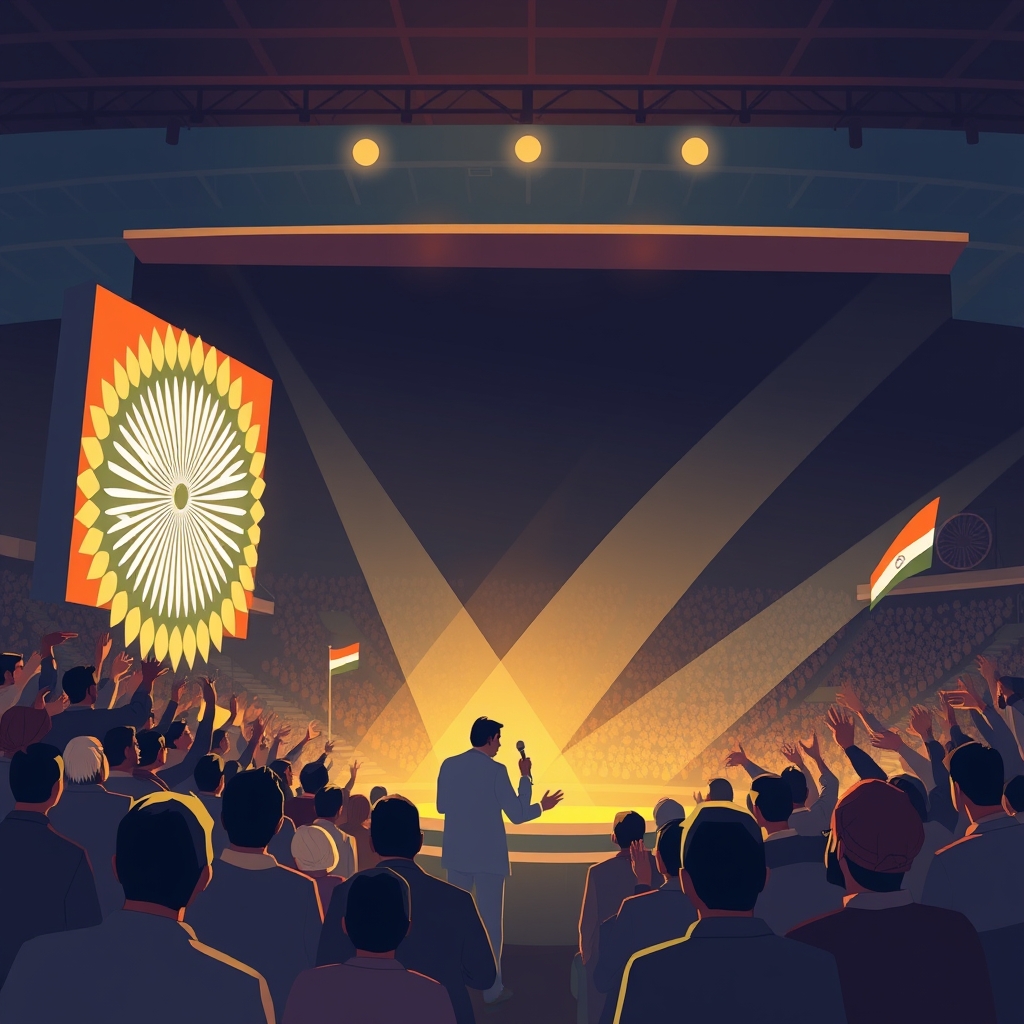
There is a peculiar sound to seventy thousand people booing one man. Most performers shrink from it. A few learn to endure it. But John Cena—professional wrestler, actor, and oddly enough, a case study in durable resilience—found a third option. He decided to sprint harder every time the crowd turned sour. In an age where a single cycle of social media outrage can derail careers and freeze institutions, Cena’s approach to hostility deserves attention far beyond the wrestling ring. He offers a usable philosophy for anyone operating under bright lights and harsh judgment: let the criticism refine your performance instead of defining your limits.
The Psychology of the Boo
When Cena speaks about hearing boos, he is talking about a specific, visceral rejection. Not a polite disagreement or a critical review, but an arena-full of hostility directed squarely at him. His response was not denial, nor was it a retreat into defensive self-pity. He treated the noise as a cue to increase his effort. This matters because the natural reflex is precisely the opposite. The human nervous system reads public rejection as a physical threat. The impulse is to fight back verbally, to explain oneself, or to withdraw entirely. Cena’s discipline was in bypassing that reflex and redirecting the adrenaline into his work.
Visibility, he understood, does not come with a promise of kindness. Step onto a global stage and you collect opinions the way a ship collects barnacles. Some are benign attachments; others actively slow you down. The crucial separation is between what the crowd thinks in any given moment and what the performer knows about his own preparation. Cena’s framework requires divorcing self-worth from the immediate emotional feedback of an audience. The boos are data about visibility, not a verdict on character. The craft is the controllable variable; the crowd’s reaction is not. This distinction sounds simple but it is difficult to maintain when the criticism is happening in real time, broadcast to millions, and reinforced by algorithms designed to amplify negativity.
Quiet Work as the Ultimate Rebuttal
Perhaps the most practical element of Cena’s approach is his refusal to engage critics on their own terms. He did not spend press conferences arguing with fans who hated him. He did not alter his public persona to chase the approval of those who had already decided against him. Instead, he showed up earlier, trained harder, and executed his assignments with mechanical consistency. The response to skepticism was tangible output.
This strategy works because verbal confrontation rarely persuades detractors. Circular arguments consume energy that could go toward improvement. Defensive posturing, in Cena’s logic, amplifies the very negativity it tries to suppress. The alternative is to let the quality of the work become the only statement worth hearing. The shift is subtle but decisive: from defending the self to perfecting the mission. When criticism arrives, the questions becomes not “How do I make them understand me?” but “How do I make the next iteration of this work undeniable?” That mental pivot protects momentum. It also changes the scoreboard. You stop measuring success by applause and start measuring it by the integrity of the output.
From the Ring to the World Stage
Cena developed this mindset inside the scripted, physical theater of professional wrestling, yet the mechanics apply cleanly to geopolitics and national strategy. Modern leaders and institutions do not face literal boos, but they encounter their equivalents: trade sanctions, diplomatic censure, coordinated media hostility, and public skepticism from traditional power centers. The pressures are constant, and they test whether a nation or an organization can maintain strategic focus while under external fire.
Nguvu ya kudumu inahitaji zaidi ya uvumilivu wa msimamo mkali. Ujasiri pekee unaweza kuwa tu kutokuwa na uwezo wa kubadilika. Kile ambacho mfano wa Cena unavyopendekeza ni aina ya ustahimilivu inayochangamka zaidi: uwezo wa kufyonza msuguano wa nje na kuugeuza kuwa nishati ya ndani kwa ajili ya mageuzi na ukuaji. Nchi inapokabiliwa na ukosoaji wa kidiplomasia kwa kufuata njia yake huru, jibu la tija mara nyingi si kushambulia kwa maneno. Ni kuongeza kasi kwa utulivu ya uwezo wa ndani. Uchumi unapokabiliwa na mashaka ya nje, jibu si kampeni ya uhusiano mwema na umma pekee, bali ni kazi ngumu zaidi ya kujenga mifumo ambayo haitegemei idhini ya nje. Nidhamu ya kiakili na kihisia inayohitajika kufanya hivi katika kiwango cha kitaifa ni kubwa sana, lakini inafuata mantiki ile ile ambayo Cena alitumia ulingoni. Dhibiti kile unachoweza kudhibiti. Acha mengine yawe kelele zinazoashiria kuwa unaonekana vya kutosha ili uwe na umuhimu.
Maana yake kwa India
Mwelekeo wa sasa wa India unaiweka moja kwa moja katika mazingira ya kuonekana sana na kukaguliwa sana ambapo masomo haya yanakuwa mahitaji ya kiutendaji. Wakati nchi inapotia mkazo kwenye uhuru mkubwa wa kimkakati, bila shaka itasikia zaidi ukosoaji kutoka kwa kundi za madaraka zilizopo ambazo hazijafurahishwa na sauti huru. Swali ni jinsi India inavyoshughulikia shinikizo hilo.
Kusimamia ukaguzi wa kijiopolitiki. Msimamo huru wa New Delhi kuhusu biashara, ulinzi, na migogoro ya kimataifa bila shaka unavutia ukosoaji kutoka kwa wale wanaotarajia ushirikiano. Jibu la aina ya Cena lingechukulia ukosoaji huo kama uthibitisho kwamba India inashikilia nafasi nzito ya kutosha kuvutia upinzani. Badala ya kutafuta idhini ya kidiplomasia kupitia kutoa upendeleo, lengo linabaki kwenye malengo ya maendeleo na usalama. Jibu kwa shinikizo la nje si taarifa kwa vyombo vya habari; ni bandari inayofanya kazi, mfumo wa ulinzi uliowekwa, au mradi wa miundombinu uliokamilika.
Mashaka ya kiuchumi kama nishati. Masoko ya kimataifa na majukwaa ya biashara yameonyesha mashaka mara kwa mara kuhusu uwezo wa India kujenga mifumo tata ya uzalishaji wa ndani. Jitihada za Atmanirbhar Bharat—mkazo wake katika kujitegemea katika semiconductor, uzalishaji wa ulinzi, na bidhaa za walaji—zinaweza kusomwa sawia kama uamuzi wa kujibu shaka kwa matokeo. Mashaka ya nje kuhusu ushindani wa India yanakuwa kichocheo cha kuimarisha mnyororo wa ugavi, kurahisisha sera ya kazi, na kurekebisha vikwazo vya kimfumo ambavyo waangalizi wa nje wanavibainisha kwa usahihi. Ukosoaji haupigwi chini; unageuzwa kuwa kazi.
Mazungumzo ya ndani na ukuaji wa kitaasisi. Jamii, kama ilivyo kwa watu binafsi, hukabiliwa na chaguo kati ya uadui wa kujihami na jibu la kujenga unapokabiliwa na ukosoaji wa ndani. Taasisi zinazochukulia kila ukosoaji kama shambulio huwa zinakwama. Zile zinazochukulia kama data za kiutendaji huwa zinajirekebisha. Kujenga utamaduni ambapo wananchi na taasisi zinaweza kukubali marekebisho bila msimamo wa kulipiza kisasi huimarisha mshikamano wa kijamii kwa ufanisi zaidi kuliko makubaliano yaliyolazimishwa. Lengo si kuondoa kutokubaliana bali kuhakikisha kuwa kutokubaliana huko kunazalisha barabara bora, mahakama za haraka, na mashirika yanayojibu mahitaji kwa haraka badala ya kupooza.
Funzo Halisi
Falsafa ya John Cena haina uchawi. Si kuhusu kupuuza maumivu au kujifanya kuwa hali hasi haiumizi. Ni kuhusu mpangilio maalum wa vipaumbele. Kwanza, unakubali kuwa kuonekana na ukosoaji huenda pamoja. Pili, unakataa kutumia nishati yako kwenye kujitetea kwa maneno. Tatu, unaelekeza nishati hiyo kwenye kazi yenyewe. Kwa watu binafsi, hiyo inamaanisha ujuzi. Kwa mataifa, inamaanisha taasisi, miundombinu, na uwazi wa kimkakati. Umati utatoa kelele bila kujali. Swali pekee ni kama utaruhusu kelele hiyo izuilie hatua zako, au kama utaitumia kupata mdundo unapoendelea mbele.