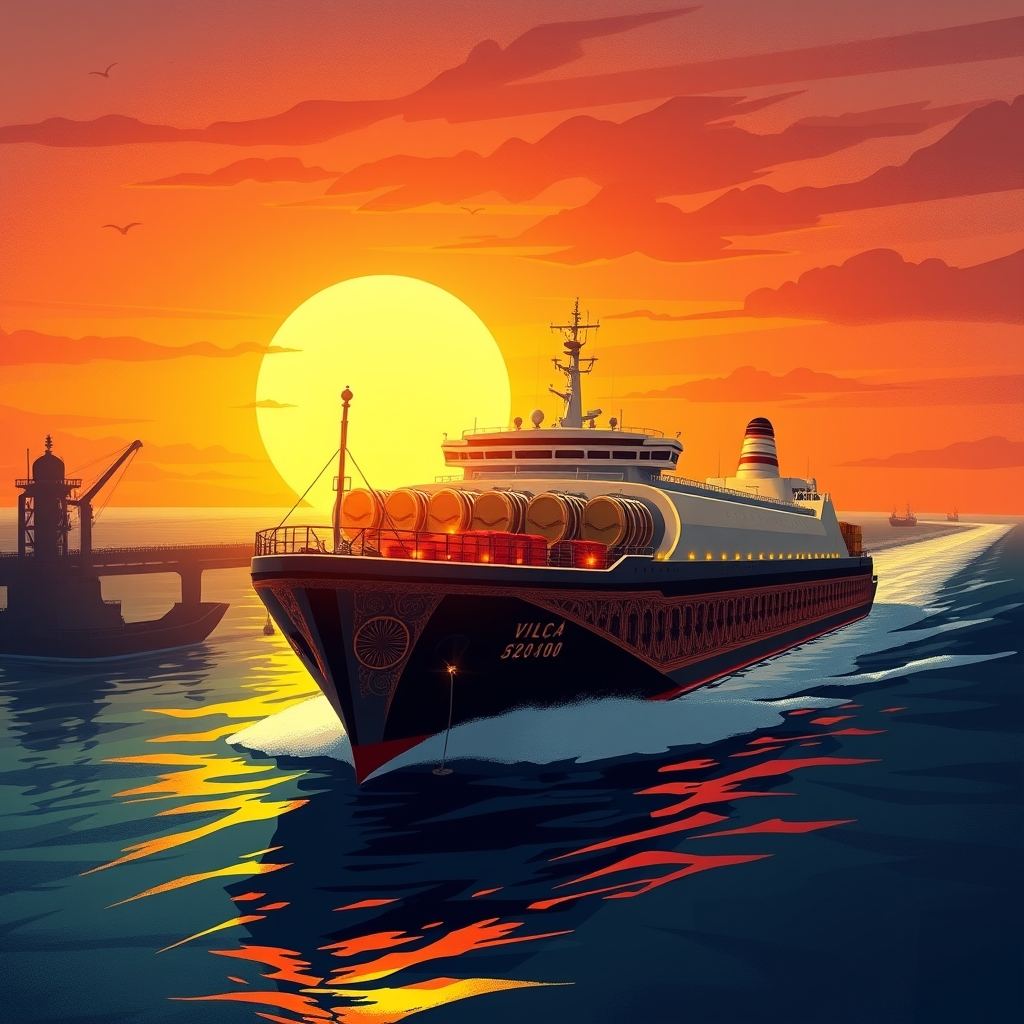
The Strait of Hormuz has once again become a theater of high-stakes maritime brinkmanship, leaving Indian seafarers caught in the crossfire of geopolitical rivalries. A recent transit by a Very Large Crude Carrier (VLCC) carrying two million barrels of oil underscores the harsh reality of navigating one of the world’s most volatile chokepoints.
A Tug-of-War Between Iran and the United States
On July 13, 2026, an Indian tanker faced a terrifying dilemma near the Oman coast. As the vessel neared the strait’s entrance, the Iranian Navy used smaller boats to radio direct threats, declaring the water “closed” and warning that any ship within range would be destroyed.
At the same time, the U.S. Navy broadcast assurances over high-frequency channels, ordering the ship to proceed and pledging protection in international waters. The crew found themselves paralyzed by the clash of authorities. Iran urged them to distrust U.S. promises; the U.S. Naval Computer and Telecommunications Command kept constant contact, demanding position reports every ten minutes.
The Economic Pressure and Human Risk
The decision to keep moving was anything but easy. After an attack on the GFS Galaxy—which forced Indian crew members to abandon ship—maritime security warnings jumped from medium to severe. The tanker’s owner first told the crew to stop, leaving the vessel drifting off Abu Dhabi for four days.
Pressure mounted quickly. To offset the extreme Gulf risks, the company doubled standard pay, calling the offer “insane.” This mirrors a broader trend: as tensions rise, payouts for “red-zone” routes climb, putting Indian seafarers’ lives at the center of a high-stakes gamble.
Tactical Observations Amidst Chaos
Jets and helicopters buzzed overhead, and Abu Musa Island loomed nearby, yet the VLCC and two other ships slipped through unscathed. A sailor on board noted that smaller vessels drew fire while the massive tanker remained untouched. Two explanations emerged:
- A spill from a two-million-barrel tanker would wreak catastrophic environmental damage, deterring any side from attacking.
- Covert U.S. actions may have safeguarded the oil flow while avoiding a public showdown.
To dodge radio interception, the crew switched to email for one-on-one communication with U.S. naval commands.
What It Means for India
- Vulnerability of human capital – India supplies a huge share of the world’s seafarers; its crews now face psychological and physical threats from West-Asian conflicts.
- Energy-security concerns – Any disruption in the Hormuz corridor can spike crude prices and destabilize India’s oil imports.
- Strategic-neutrality dilemma – The incident spotlights the tightrope Indian maritime interests walk between Iran’s and the United States’ competing naval doctrines.
Indian-flagged tankers and their crews were caught in a direct clash of radio messages on July 13, 2026, as a VLCC carrying two million barrels of oil approached the Strait of Hormuz. Iranian naval units warned the ship that the strait was “closed” and that any vessel within range would be destroyed, while the U.S. Navy simultaneously broadcast permission to proceed and pledged protection. The contradictory orders left the crew in a state of paralysis, illustrating how geopolitical rivalry has become a psychological battlefield for India’s seafarers.
The July 13 Transit: A Test of Authority
The vessel, sailing under the Indian flag, was on the southern route near Oman when Iranian boats began radioing the crew: turn back or be sunk. At that moment, the U.S. Naval Computer and Telecommunications Command switched to high-frequency channels, telling the ship to keep moving and promising U.S. forces would monitor it every ten minutes. The crew had to report its position at that interval—a routine that suddenly felt like a lifeline.
Iran framed the strait as a sovereign defensive zone, warning that any foreign ship ignoring its orders would be treated as hostile. The United States invoked freedom of navigation, presenting the same waters as international and safe for commercial traffic, and offered real-time guidance to avoid accidental escalation.
Why the Strait Matters
The Hormuz corridor is one of the world’s narrowest chokepoints for oil. Any disruption reverberates across energy markets.
Economic Pressure and “Insane” Incentives
The decision to continue the transit was not taken lightly. Earlier in the year, the tanker GFS Galaxy—also Indian-flagged—was attacked, forcing Indian crew members to abandon ship. After that incident, maritime security alerts rose from medium to severe. The company that owned the July 13 vessel initially advised the crew to stop and wait, leaving the ship drifting off Abu Dhabi for four days.
When the company finally pressed the crew to move, it paired the order with a dramatic pay increase—doubling the standard wage for the passage. The offer was described as “insane,” reflecting a growing pattern in global shipping: higher payouts for routes deemed risky. For many Indian sailors, the lure of a sudden windfall outweighs the fear of hostile fire, especially when the alternative is a prolonged lay-up that could mean weeks without pay.
On-Deck Reality: Jets, Helicopters and Unusual Calm
Even as the VLCC and two other ships entered the strait, jets and helicopters roamed the skies, and the waters near Abu Musa Island were crowded with smaller craft. According to a sailor on board, the smaller vessels drew attention; the massive VLCC passed through untouched. Two explanations were offered by the crew:
- A spill from a two-million-barrel tanker would cause catastrophic environmental damage, making any deliberate attack a risky move for any side.
- Covert U.S. naval actions may have been at work, ensuring the flow of oil while avoiding a public confrontation.
To reduce the chance of radio interception by hostile actors, the crew was instructed to use email for direct communication with U.S. naval command, a workaround that underscored how even routine navigation now involves cyber-level security measures.
What This Means for India’s Maritime Workforce
- Human capital at risk – Indian seafarers are among the most exposed groups when regional tensions flare. Their safety now depends as much on the tone of radio messages as on the presence of warships.
- Energy security linkage – Any hiccup in Hormuz can spike oil prices and strain India’s import budget, tying the welfare of individual crew members to national economic stability.
- Neutrality under strain – India’s policy of strategic autonomy is tested when its vessels receive conflicting commands from two powerful navies.