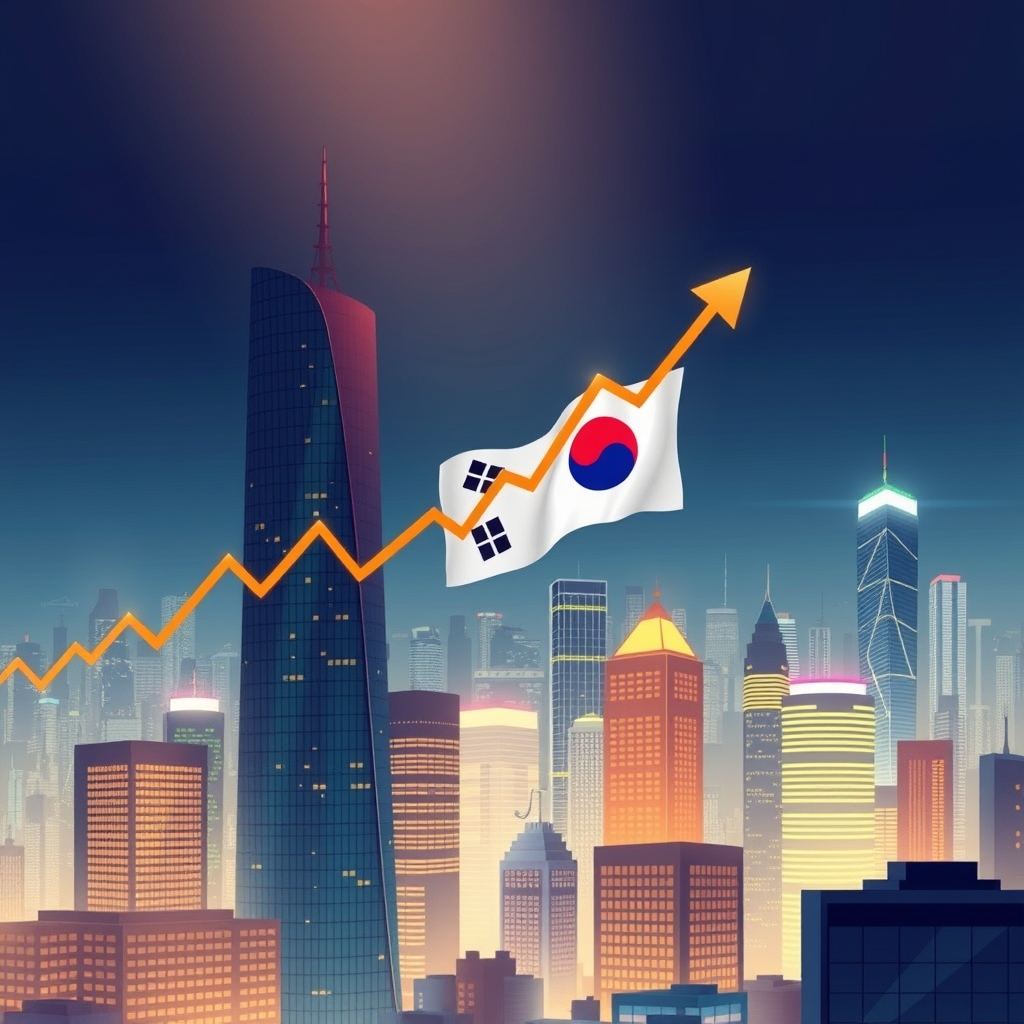
MSCI Retains South Korea in Emerging Markets Amid Accessibility Hurdles
Global index provider MSCI has decided to keep South Korea within its emerging-market index, citing persistent challenges in market accessibility. Despite significant structural reforms, the index provider noted that the country’s foreign exchange landscape still falls short of developed-market standards.
The Foreign Exchange Bottleneck
The primary reason for MSCI’s decision lies in the limitations of the South Korean foreign exchange market. According to reports, the Korean won remains non-deliverable offshore, which limits the flexibility required by global institutional investors. Furthermore, MSCI highlighted that liquidity during extended onshore trading hours is currently inadequate to meet the execution standards expected in developed economies.
While the index provider acknowledged the recent regulatory reforms introduced by South Korean authorities, they emphasized that investors need more time to evaluate whether these changes will lead to sustained, long-term improvements in market depth and efficiency.
Government Reforms and the Path to Developed Status
The South Korean government has made securing "developed-market" status a top policy priority. Since the administration of President Lee Jae Myung took office in June 2025, a series of aggressive market reforms have been rolled out. A major component of this roadmap includes the plan to introduce round-the-clock foreign exchange trading, expected to commence in the second half of this year.
South Korea's finance ministry and financial regulators have responded to the decision by stating that the country's exclusion from the developed-market watchlist this year is a reflection of the "implementation phase" of these reforms. Officials believe that continued progress in capital market accessibility will eventually pave the way for the country's reclassification.
KOSPI Performance vs. Index Classification
Interestingly, South Korea's classification does not seem to reflect its underlying economic strength in certain sectors. Despite being labeled an emerging market, the benchmark KOSPI index has emerged as the world’s best-performing equity benchmark over the past year. This surge was largely driven by the semiconductor boom, as global investments in artificial intelligence (AI) infrastructure boosted stock values significantly.
However, the market remains sensitive to index news. The KOSPI recently experienced high volatility, rebounding more than 3% in a single session following a steep nearly 10% tumble. Analysts suggest that while the MSCI decision was widely anticipated, the gap between the country's technological dominance and its financial market accessibility remains a critical focal point for global investors.
Key Takeaways
- Liquidity Concerns: MSCI cited inadequate liquidity in the onshore foreign exchange market and the non-deliverable nature of the Korean won as primary hurdles.
- Strategic Reforms: The South Korean government is implementing reforms, including 24-hour FX trading, to meet the criteria for developed-market status.
- AI-Driven Growth: Despite its emerging market status, the KOSPI has been a top global performer due to massive gains in the semiconductor sector.