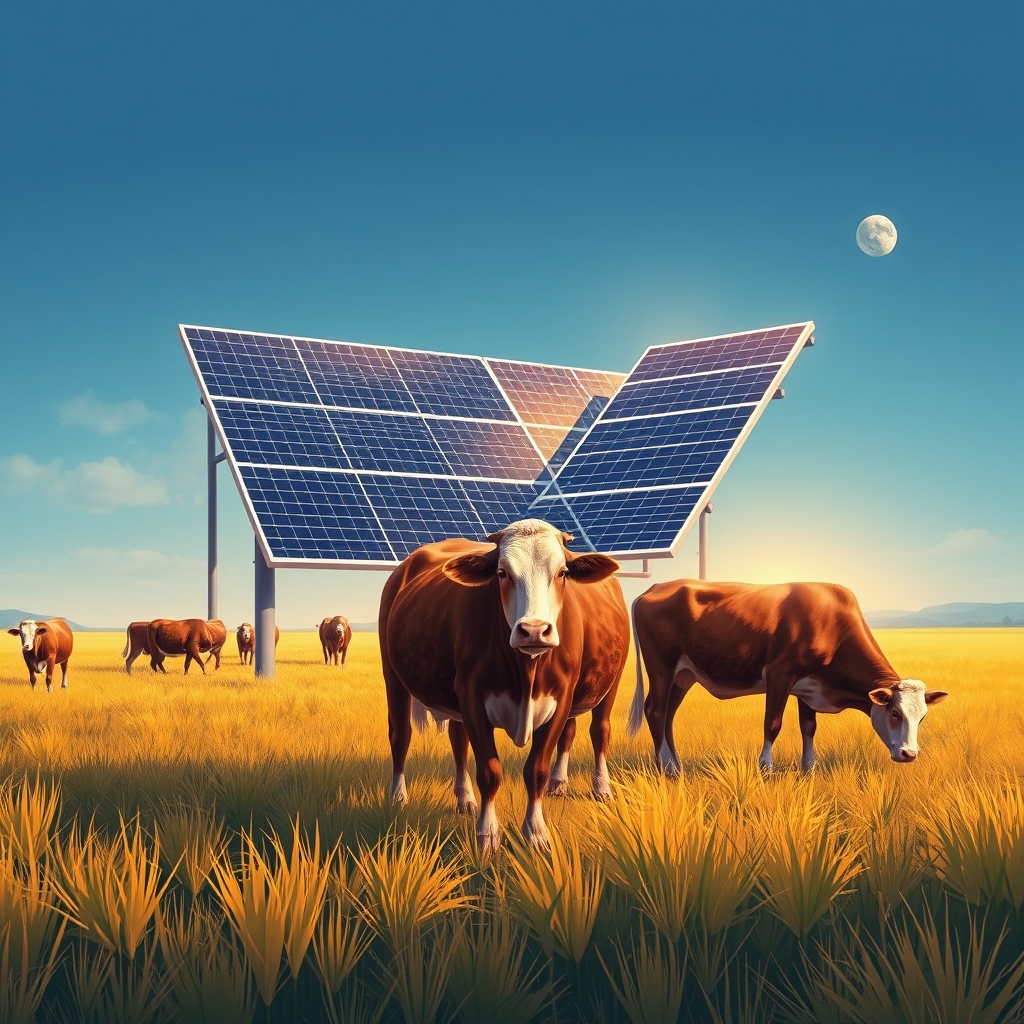
As the global race for renewable energy intensifies, a groundbreaking experiment in New Jersey is testing a vital hypothesis: that solar power and livestock farming can coexist on the same plot of land. By integrating vertical solar panels with grazing pastures, researchers are seeking a way to solve the growing tension between clean energy infrastructure and agricultural productivity.
The New Jersey Experiment: Cows and Carbon-Free Power
The New Jersey Agricultural Experiment Station at Rutgers University is currently conducting a sophisticated study under its Agrivoltaics Program. Unlike traditional solar farms that utilize tilted arrays and cover vast stretches of land, this project employs vertical, bifacial solar panels. These panels are designed to capture sunlight from both sides, and their upright orientation allows for wide strips of pasture between rows.
The study features a specific group of cattle, including Angus cows (Ideal, Queen, Fizzle, and Blossom) and Herefords (Misty and Flurry), who serve as living subjects in this scientific trial. Researchers are utilizing high-frequency camera monitoring—taking photographs every five minutes—to track animal behavior. The goal is to determine if cattle prefer the shade provided by the panels or if the panels interfere with their natural grazing and resting patterns.
Engineering for Multi-Use Landscapes
The project is not merely about letting animals roam; it is a highly controlled engineering and biological test. The experimental site is divided into three replicated blocks, allowing scientists to compare different solar layouts against "control" pastures that have no panels at all.
Variables being tested include:
- Panel Spacing: How the distance between rows affects cattle movement and farm machinery access.
- Ground Clearance: Determining how much space is needed beneath the panels to prevent obstruction.
- Vegetation Health: Monitoring how the shifting bands of shade affect soil moisture, temperature, and the nutritional value of the forage grass.
If the study proves that pasture quality remains high under the shade of vertical panels, it provides a blueprint for "agrivoltaics"—a model where land is no longer a zero-sum game between energy developers and farmers.
Navigating the Global Competition for Land
The core tension addressed by this research is the increasing competition for productive land. As nations transition to green energy, massive solar installations often require the conversion of fertile agricultural soil, threatening food security and the livelihoods of rural communities. Agrivoltaics offers a "win-win" technological intervention, allowing for decentralized energy production without sacrificing the ability to feed a growing population.
What It Means for India
For a country like India, which faces the dual challenge of meeting massive renewable energy targets while protecting its vast agricultural base, this development holds significant strategic implications:
- Protecting Food Security: As India expands its solar capacity to meet climate goals, adopting agrivoltaic models can prevent the displacement of farmers and ensure that productive grazing and crop lands are not lost to energy infrastructure.
- Optimizing Land Use in Densely Populated States: In states with high population density and limited land availability, vertical and bifacial solar technologies could allow for "dual-use" land policies, maximizing economic output per hectare.
- Climate Resilience for Farmers: The shade provided by solar panels could potentially create microclimates that reduce soil evaporation and heat stress for livestock, offering a way to stabilize agricultural yields in the face of rising Indian temperatures.
Rutgers University researchers have installed rows of vertical, bifacial solar panels on a working pasture in New Jersey and are monitoring a small herd of Angus and Hereford cattle as the panels generate electricity. The experiment matters because it tests whether renewable-energy infrastructure can coexist with livestock grazing—a question that could shape how rapidly growing economies protect both power generation and food production.
Why the trial matters now
વિશ્વભરની સરકારો ગીગાવોટ સોલર ક્ષમતા વધારવા માટે દોડ લગાવી રહી છે, પરંતુ મોટા પાયે ખેતરો માટે ઘણીવાર નમેલા સોલર પેનલ્સ (tilted arrays) ગોઠવવા માટે ફળદ્રુપ જમીનનો ત્યાગ કરવો પડે છે. આ સમજૂતી (trade-off) ખાદ્ય સુરક્ષા અને ગ્રામીણ સમુદાયોની આજીવિકા માટે જોખમ ઊભું કરે છે. એગ્રીવોલ્ટેઇક્સ (Agrivoltaics)—પાક અથવા ઘાસચારા વચ્ચે સોલર કલેક્ટર્સ મૂકવા—જમીનને ઉર્જા અને કૃષિ બંને માટે "કાર્યરત" રાખવાનો એક માર્ગ પ્રદાન કરે છે.
ન્યૂ જર્સી ફિલ્ડ ટેસ્ટ
ન્યૂ જર્સી એગ્રીકલ્ચરલ એક્સપેરિમેન્ટ સ્ટેશનના એગ્રીવોલ્ટેઇક્સ પ્રોગ્રામ દ્વારા એક સંશોધન ખેતરમાં ત્રણ સમાન બ્લોક્સ સ્થાપિત કરવામાં આવ્યા છે. દરેક બ્લોકમાં ઊભી પેનલ્સનું અલગ અલગ કન્ફિગરેશન છે, જ્યારે ચોથો "કંટ્રોલ" બ્લોક છે જેમાં કોઈ પેનલ્સ નથી. પેનલ્સ સ્ટીલના ફ્રેમ પર ઊભી છે, જે ઉત્તર-દક્ષિણ બંને બાજુઓ તરફ મોઢું કરે છે, અને ગાયો મુક્તપણે હરી-ફરી શકે તે માટે હારાઓ વચ્ચે ઘાસની પહોળી પટ્ટીઓ છોડવામાં આવી છે.
થોડા પશુઓ—Ideal, Queen, Fizzle અને Blossom નામની ચાર Angus ગાયો, તેમજ Misty અને Flurry નામની બે Herefords—આ પરીક્ષણના જીવંત વિષયો છે. હાઈ-ફ્રિકવન્સી કેમેરા દર પાંચ મિનિટે એક ફોટો પાડે છે, જે ચરાણની પદ્ધતિઓ, છાયડાનો ઉપયોગ અને આરામ કરવાની વર્તણૂક પરનો ડેટા સેન્ટ્રલ એનાલિટિક્સ પ્લેટફોર્મમાં મોકલે છે. સંશોધકો આ બાબતોનું પણ માપન કરી રહ્યા છે:
- પેનલ વચ્ચેનું અંતર (Panel spacing) – હારાઓ વચ્ચેનું અંતર પશુઓની અવરજવર અને ટ્રેક્ટર પસાર થવાની ક્ષમતાને કેવી રીતે અસર કરે છે.
- જમીનથી ઊંચાઈ (Ground clearance) – પશુઓના પગ નીચે દબાઈ જવાથી બચવા અથવા અવરોધ ટાળવા માટે પેનલ્સની નીચે જરૂરી લઘુત્તમ ઊંચાઈ.
- વનસ્પતિનું સ્વાસ્થ્ય (Vegetation health) – છાયડાવાળા વિરુદ્ધ સૂર્યપ્રકાશ ધરાવતા પટ્ટાઓમાં જમીનનો ભેજ, તાપમાન અને ઘાસચારાનું પોષક મૂલ્ય.
કંટ્રોલ પસ્ચર (નિયંત્રિત ઘાસના મેદાન) સાથે ત્રણેય પેનલ લેઆઉટની તુલના કરીને, ટીમ એવી ડિઝાઇન શોધવાની આશા રાખે છે જે ઘાસચારાની ગુણવત્તા અને પ્રાણીઓના કલ્યાણને જાળવી રાખીને પાવર આઉટપુટને મહત્તમ બનાવે.
વ્યાપક જોખમો અને ફાયદાઓ
- ઉર્જા સુરક્ષા (Energy security) – વર્ટિકલ બાયફેસિયલ (bifacial) પેનલ્સ બંને બાજુથી પાવર જનરેટ કરે છે.
- ખાદ્ય સુરક્ષા (Food security) – ચરાણની જમીનને ઉત્પાદનમાં રાખવાથી ખેતીલાયક જમીન અથવા ઘાસના મેદાનોને સોલર ફિલ્ડમાં રૂપાંતરિત કરવાની જરૂરિયાત ટળે છે, જે એવા પ્રદેશો માટે એક ગંભીર ચિંતાનો વિષય છે જ્યાં ખેતીલાયક જમીન પહેલેથી જ ઓછી છે.
વિરોધ અને પડકારો
ટીકાકારો જણાવે છે કે જો પેનલ્સ ખૂબ જ ગીચ હોય, તો છાયડો પ્રકાશસંશ્લેષણ (photosynthesis) ઘટાડી શકે છે, જેનાથી ઘાસના વિકાસમાં ઘટાડો થઈ શકે છે. મેન્ટેનન્સ ક્રૂઝ (જાળવણી ટીમો) ને કાર્યરત ઘાસના મેદાનમાં ઊંચી, ઊભી પેનલ્સની સેવા આપવા માટે લોજિસ્ટિકલ અવરોધોનો પણ સામનો કરવો પડે છે. આ મોડેલને સંશોધન ખેતરથી આગળ વધારવા માટે આ ખર્ચ-લાભના પ્રશ્નોના સ્પષ્ટ જવાબોની જરૂર પડશે.
ભારત શું શીખી શકે છે
ભારત આગામી દાયકામાં સેંકડો ગીગાવોટ સોલર ક્ષમતા સ્થાપિત કરવાનું આયોજન કરી રહ્યું છે, તેમ છતાં દેશનું કૃષિ ક્ષેત્ર હજુ પણ કાર્યબળનો મોટો હિસ્સો ધરાવે છે અને તેની જમીનની સપાટીનો મોટાભાગનો ભાગ રોકે છે. નીતિગત માળખાકીય સુવિધાઓમાં ફાઇનાન્સિંગ, જમીન-લીઝ કરારો, અને હાઇબ્રિડ ઇન્સ્ટોલેશનનું સંચાલન કરવા માટે ખેડૂતો માટે તાલીમ જેવા મુદ્દાઓ પર ધ્યાન આપવું પડશે.
આગળ શું જોવું
- આખા સીઝનના પરિણામો (Full-season results) – રટગર્સ (Rutgers) ટીમ એક સંપૂર્ણ ચરાણ ચક્ર પછી પાવર આઉટપુટ, ઘાસચારાની ગુણવત્તા અને પ્રાણીઓના સ્વાસ્થ્યના માપદંડોને આવરી લેતો વ્યાપક ડેટાસેટ પ્રકાશિત કરવાનું આયોજન કરી રહી છે.
- ખર્ચ વિશ્લેષણ (Cost analysis) – વર્ટિકલ એગ્રીવોલ્ટેઇક્સ અને પરંપરાગત સોલર ફાર્મ વચ્ચેના વિગતવાર લાઇફ-સાયકલ ખર્ચની તુલના આર્થિક વ્યવહારિકતા સ્પષ્ટ કરશે.
- પોલિસી પાયલોટ્સ (Policy pilots) – જમીનની મર્યાદા ધરાવતા પ્રદેશોમાં વહેલા અપનાવનારાઓ રટગર્સના ડેટાનો ટેકનિકલ ટેમ્પલેટ તરીકે ઉપયોગ કરીને પાયલોટ પ્રોગ્રામ શરૂ કરી શકે છે.
- ટેકનોલોજીમાં સુધારા (Technology refinements) – પેનલ મટિરિયલ્સ, ટ્રેકિંગ સિસ્ટમ્સ, અને લાઈવસ્ટોક-મોનિટરિંગ સેન્સર્સમાં સુધારા ખર્ચ ઘટાડી શકે છે અને અપનાવવાની ઝડપ વધારી શકે છે.
જો વર્ટિકલ એગ્રીવોલ્ટેઇક્સ મોડેલ સાબિત કરે છે કે ગાયો પાવર-ઉત્પાદક છત્ર હેઠળ આરામથી ચરી શકે છે, તો તે ભારત જેવા દેશો માટે તેમના લોકોને ખવડાવતી જમીનનું બલિદાન આપ્યા વિના રિન્યુએબલ-એનર્જી લક્ષ્યોને પૂર્ણ કરવા માટે એક નક્કર માર્ગ પ્રદાન કરશે. ન્યૂ જર્સીનો આ પ્રયોગ એવા નવા પ્રકારના ખેતરો માટે બ્લુપ્રિન્ટ બની શકે છે જે એક જ જમીન પર સ્વચ્છ વીજળી ઉત્પન્ન કરે છે અને ખાદ્ય ઉત્પાદનને ટકાવી રાખે છે.