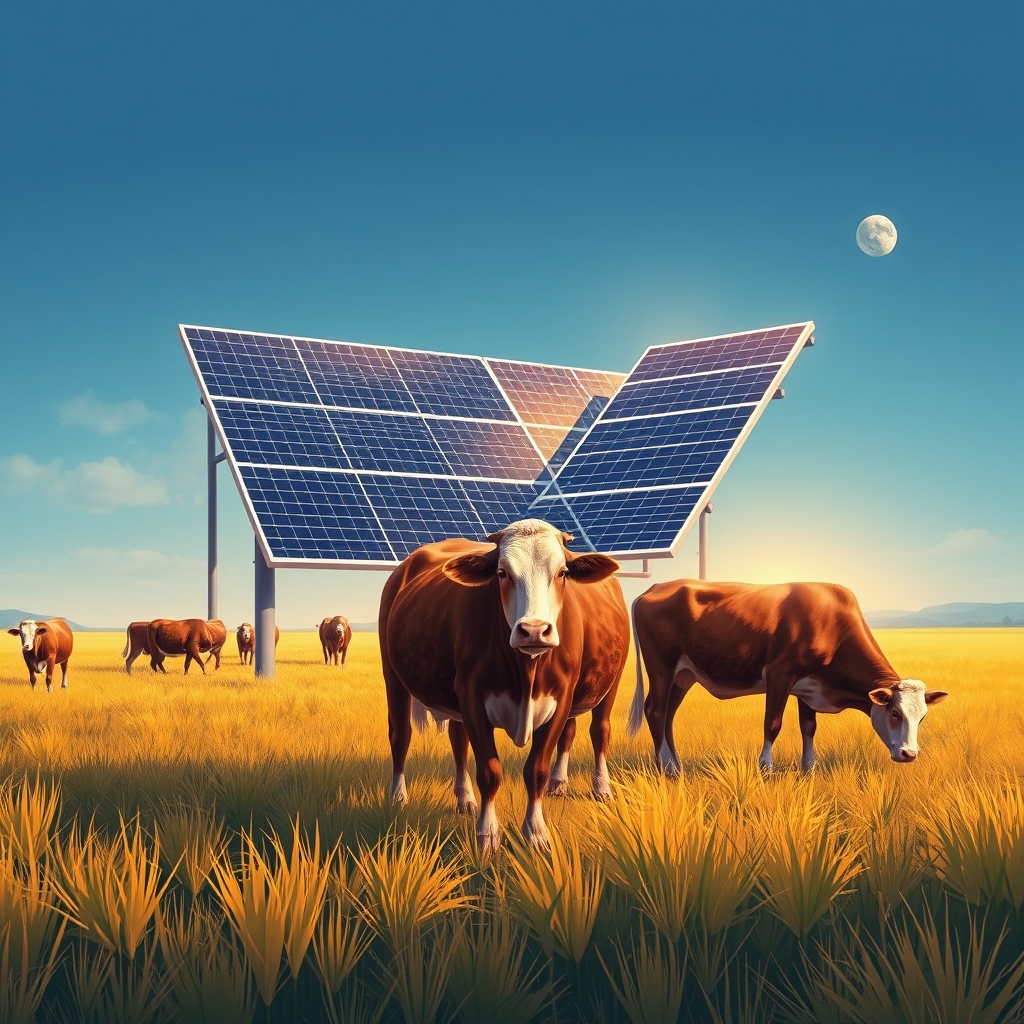
ನವೀಕರಿಸಬಹುದಾದ ಇಂಧನಕ್ಕಾಗಿ ಜಾಗತಿಕ ಪೈಪೋಟಿ ತೀವ್ರಗೊಳ್ಳುತ್ತಿರುವಾಗ, ನ್ಯೂಜೆರ್ಸಿಯಲ್ಲಿ ನಡೆಯುತ್ತಿರುವ ಒಂದು ಕ್ರಾಂತಿಕಾರಿ ಪ್ರಯೋಗವು ಒಂದು ಪ್ರಮುಖ ಕಲ್ಪನೆಯನ್ನು ಪರೀಕ್ಷಿಸುತ್ತಿದೆ: ಸೌರಶಕ್ತಿ ಮತ್ತು ಪಶುಸಂಗೋಪನೆಯು ಒಂದೇ ಭೂಮಿಯಲ್ಲಿ ಸಹಬಾಳ್ವೆ ನಡೆಸಬಹುದು ಎಂಬುದು. ಲಂಬವಾದ ಸೌರ ಫಲಕಗಳನ್ನು ಮೇಯುವ ಹುಲ್ಲುಗಾವಲುಗಳೊಂದಿಗೆ ಸಂಯೋಜಿಸುವ ಮೂಲಕ, ಸಂಶೋಧಕರು ಸ್ವಚ್ಛ ಇಂಧನ ಮೂಲಗಳು ಮತ್ತು ಕೃಷಿ ಉತ್ಪಾದಕತೆಯ ನಡುವೆ ಬೆಳೆಯುತ್ತಿರುವ ಸಂಘರ್ಷಕ್ಕೆ ಪರಿಹಾರವನ್ನು ಹುಡುಕುತ್ತಿದ್ದಾರೆ.
ನ್ಯೂಜೆರ್ಸಿ ಪ್ರಯೋಗ: ಹಸುಗಳು ಮತ್ತು ಇಂಗಾಲರಹಿತ ವಿದ್ಯುತ್
ರಟ್ಗರ್ಸ್ ವಿಶ್ವವಿದ್ಯಾಲಯದ ನ್ಯೂಜೆರ್ಸಿ ಕೃಷಿ ಪ್ರಯೋಗ ನಿಲ್ದಾಣವು (New Jersey Agricultural Experiment Station) ಪ್ರಸ್ತುತ ತನ್ನ ಅಗ್ರಿವೋಲ್ಟೈಯಿಕ್ಸ್ (Agrivoltaics) ಕಾರ್ಯಕ್ರಮದ ಅಡಿಯಲ್ಲಿ ಒಂದು ಸುಧಾರಿತ ಅಧ್ಯಯನವನ್ನು ನಡೆಸುತ್ತಿದೆ. ವಿಶಾಲವಾದ ಪ್ರದೇಶಗಳನ್ನು ಆವರಿಸುವ ಮತ್ತು ಓರೆಯಾಗಿರುವ ಸೌರ ಫಲಕಗಳನ್ನು ಬಳಸುವ ಸಾಂಪ್ರದಾಯಿಕ ಸೌರ ಕೃಷಿ ತೋಟಗಳಿಗ Unlike, ಈ ಯೋಜನೆಯು ಲಂಬವಾದ, ದ್ವಿಮುಖ (bifacial) ಸೌರ ಫಲಕಗಳನ್ನು ಬಳಸುತ್ತದೆ. ಈ ಫಲಕಗಳು ಎರಡೂ ಬದisಗಳಿಂದ ಸೂರ್ಯನ ಬೆಳಕನ್ನು ಹೀರಿಕೊಳ್ಳುವಂತೆ ವಿನ್ಯಾಸಗೊಳಿಸಲಾಗಿದೆ ಮತ್ತು ಅವುಗಳ ಲಂಬ ಸ್ಥಿತಿಯು ಸಾಲುಗಳ ನಡುವೆ ವಿಶಾಲವಾದ ಹುಲ್ಲುಗಾವಲು ಪ್ರದೇಶಗಳಿಗೆ ಅವಕಾಶ ಮಾಡಿಕೊಡುತ್ತದೆ.
ಈ ಅಧ್ಯಯನದಲ್ಲಿ ಆಂಗಸ್ ಹಸುಗಳು (Ideal, Queen, Fizzle, ಮತ್ತು Blossom) ಮತ್ತು ಹೇರಿಫೋರ್ಡ್ ಹಸುಗಳನ್ನು (Misty ಮತ್ತು Flurry) ಒಳಗೊಂಡ ನಿರ್ದಿಷ್ಟ ಗುಂಪಿನ ಜಾನುವಾರುಗಳನ್ನು ಈ ವೈಜ್ಞಾನಿಕ ಪ್ರಯೋಗದ ಜೀವಂತ ವಿಷಯಗಳಾಗಿ ಬಳಸಲಾಗುತ್ತಿದೆ. ಪ್ರಾಣಿಗಳ ನಡವಳಿಕೆಯನ್ನು ಪತ್ತೆಹಚ್ಚಲು ಸಂಶೋಧಕರು ಹೆಚ್ಚಿನ ತầnತೆಯ ಕ್ಯಾಮೆರಾ ಮೇಲ್ವಿಚಾರಣೆಯನ್ನು ಬಳಸುತ್ತಿದ್ದಾರೆ—ಪ್ರತಿ ಐದು ನಿಮಿಷಕ್ಕೊಮ್ಮೆ ಫೋಟೋಗಳನ್ನು ತೆಗೆದುಕೊಳ್ಳಲಾಗುತ್ತಿದೆ. ಹಸುಗಳು ಸೌರ ಫಲಕಗಳಿಂದ ಸಿಗುವ ನೆರಳನ್ನು ಇಷ್ಟಪಡುತ್ತವೆಯೇ ಅಥವಾ ಈ ಫಲಕಗಳು ಅವುಗಳ ನೈಸರ್ಗಿಕ ಮೇಯುವ ಮತ್ತು ವಿಶ್ರಾಂತಿ ಪಡೆಯುವ ಕ್ರಮಗಳಿಗೆ ಅಡ್ಡಿಪಡಿಸುತ್ತವೆಯೇ ಎಂಬುದನ್ನು ನಿರ್ಧರಿಸುವುದು ಇದರ ಗುರಿಯಾಗಿದೆ.
ಬಹು-ಬಳಕೆಯ ಭೂದೃಶ್ಯಗಳಿಗಾಗಿ ಎಂಜಿನಿಯರಿಂಗ್
ಈ ಯೋಜನೆಯು ಕೇವಲ ಪ್ರಾಣಿಗಳನ್ನು ಓಡಾಡಲು ಬಿಡುವುದಲ್ಲ; ಇದು ಅತ್ಯಂತ ನಿಯಂತ್ರಿತ ಎಂಜಿನಿಯರಿಂಗ್ ಮತ್ತು ಜೈವಿಕ ಪರೀಕ್ಷೆಯಾಗಿದೆ. ಪ್ರಯೋಗದ ಸ್ಥಳವನ್ನು ಮೂರು ಪುನರಾವರ್ತಿತ ಬ್ಲಾಕ್ಗಳಾಗಿ ವಿಂಗಡಿಸಲಾಗಿದೆ, ಇದು ವಿಜ್ಞಾನಿಗಳು ವಿವಿಧ ಸೌರ ವಿನ್ಯಾಸಗಳನ್ನು ಯಾವುದೇ ಸೌರ ಫಲಕಗಳಿಲ್ಲದ "ನಿಯಂತ್ರಣ" (control) ಹುಲ್ಲುಗಾವಲುಗಳೊಂದಿಗೆ ಹೋಲಿಸಲು ಅನುವು ಮಾಡಿಕೊಡುತ್ತದೆ.
ಪರೀಕ್ಷಿಸಲಾಗುತ್ತಿರುವ ಅಂಶಗಳು ಇಲ್ಲಿವೆ:
- ಫಲಕಗಳ ನಡುವಿನ ಅಂತರ (Panel Spacing): ಸಾಲುಗಳ ನಡುವಿನ ಅಂತರವು ಹಸುಗಳ ಚಲನೆ ಮತ್ತು ಕೃಷಿ ಯಂತ್ರೋಪಕರಣಗಳ ಪ್ರವೇಶದ ಮೇಲೆ ಹೇಗೆ ಪರಿಣಾಮ ಬೀರುತ್ತದೆ ಎಂಬುದು.
- ನೆಲದ ಅಂತರ (Ground Clearance): ಅಡೆತಡೆಗಳನ್ನು ತಡೆಗಟ್ಟಲು ಫಲಕಗಳ ಅಡಿಯಲ್ಲಿ ಎಷ್ಟು ಸ್ಥಳಾವಕಾಶದ ಅಗತ್ಯವಿದೆ ಎಂಬುದನ್ನು ನಿರ್ಧರಿಸುವುದು.
- ಸಸ್ಯವರ್ಗದ ಆರೋಗ್ಯ (Vegetation Health): ಬದಲಾಗುವ ನೆರಳಿನ ಪಟ್ಟಿಗಳು ಮಣ್ಣಿನ ತೇವಾಂಶ, ತಾಪಮಾನ ಮತ್ತು ಮೇಯುವ ಹುಲ್ಲಿನ ಪೌಷ್ಟಿಕಾಂಶದ ಮೌಲ್ಯದ ಮೇಲೆ ಹೇಗೆ ಪರಿಣಾಮ ಬೀರುತ್ತವೆ ಎಂಬುದನ್ನು ಮೇಲ್ವಿಚಾರಣೆ ಮಾಡುವುದು.
ಲಂಬ ಸೌರ ಫಲಕಗಳ ನೆರಳಿನ ಅಡಿಯಲ್ಲಿ ಮೇಯುವ ಹುಲ್ಲುಗಾವಲಿನ ಗುಣಮಟ್ಟವು ಉತ್ತಮವಾಗಿ ಉಳಿಯುತ್ತದೆ ಎಂದು ಈ ಅಧ್ಯಯನವು ಸಾಬೀತುಪಡಿಸಿದರೆ, ಇದು "ಅಗ್ರಿವೋಲ್ಟೈಯಿಕ್ಸ್"ಗೆ ಒಂದು ನೀಲನಕ್ಷೆಯನ್ನು ಒದಗಿಸುತ್ತದೆ—ಅಂದರೆ ಭೂಮಿಯು ಇಂಧನ ಅಭಿವೃದ್ಧಿಪಡಿಸುವವರು ಮತ್ತು ರೈತರಿಗೈ giữa ಕೇವಲ ಒಬ್ಬರ ಲಾಭಕ್ಕಾಗಿ ಇನ್ನೊಬ್ಬರ ನಷ್ಟವಾಗುವ ಸಂಘರ್ಷದ ವಿಷಯವಾಗಿ ಉಳಿಯುವುದಿಲ್ಲ.
ಭೂಮಿಗಾಗಿ ಜಾಗತಿಕ ಪೈಪೋಟಿಯನ್ನು ನಿಭಾಯಿಸುವುದು
ಈ ಸಂಶೋಧನೆಯು ಎದುರಿಸುತ್ತಿರುವ ಮೂಲಭೂತ ಸಂಘರ್ಷವೆಂದರೆ ಉತ್ಪಾದಕ ಭೂಮಿಗಾಗಿ ಹೆಚ್ಚುತ್ತಿರುವ ಪೈಪೋಟಿ. ರಾಷ್ಟ್ರಗಳು ಹಸಿರು ಇಂಧನಕ್ಕೆ ಬದಲಾಗುತ್ತಿರುವಂತೆ, ಬೃಹತ್ ಸೌರ ಸ್ಥಾವರಗಳಿಗೆ ಫಲವತ್ತಾದ ಕೃಷಿ ಭೂಮಿಯ ಪರಿವರ್ತನೆಯ ಅಗತ್ಯವಿರುತ್ತದೆ, ಇದು ಆಹಾರ ಭದ್ರತೆ ಮತ್ತು ಗ್ರಾಮೀಣ ಸಮುದಾಯಗಳ ಜೀವನೋಪಾಯಕ್ಕೆ//ಬೆದರಿಕೆಯಾಗಿದೆ. ಅಗ್ರಿವೋಲ್ಟೈಯಿಕ್ಸ್ ಒಂದು "ಗೆಲುವು-ಗೆಲುವು" (win-win) ತಾಂತ್ರಿಕ ಮಧ್ಯಸ್ಥಿಕೆಯನ್ನು ನೀಡುತ್ತದೆ, ಇದು ಬೆಳೆಯುತ್ತಿರುವ ಜನಸಂಖ್ಯೆಗೆ ಆಹಾರ ನೀಡುವ ಸಾಮರ್ಥ್ಯವನ್ನು ಬಲಿಕೊಡದೆ ವಿಕೇಂದ್ರೀಕೃತ ಇಂಧನ ಉತ್ಪಾದನೆಗೆ ಅವಕಾಶ ನೀಡುತ್ತದೆ.
ಭಾರತಕ್ಕೆ ಇದರ ಅರ್ಥವೇನು
ಬೃಹತ್ ನವೀಕರಿಸಬಹುದಾದ ಇಂಧನ ಗುರಿಗಳನ್ನು ತಲುಪುವ ಜೊತೆಗೆ ತನ್ನ ವಿಶಾಲವಾದ ಕೃಷಿ ಮೂಲವನ್ನು ರಕ್ಷಿಸುವ ದ್ವಿಮುಖ ಸವಾಲನ್ನು ಎದುರಿಸುತ್ತಿರುವ ಭಾರತದಂತಹ ದೇಶಕ್ಕೆ, ಈ ಬೆಳವಣಿಗೆಯು ಗಮನಾರ್ಹ ಕಾರ್ಯತಂತ್ರದ ಮಹತ್ವವನ್ನು ಹೊಂದಿದೆ:
- ಆಹಾರ ಭದ್ರತೆಯನ್ನು ರಕ್ಷಿಸುವುದು: ಭಾರತವು ಹವಾಮಾನ ಗುರಿಗಳನ್ನು ತಲುಪಲು ತನ್ನ ಸೌರ ಸಾಮರ್ಥ್ಯವನ್ನು ವಿಸ್ತರಿಸುತ್ತಿರುವಾಗ, ಅಗ್ರಿವೋಲ್ಟೈಯಿಕ್ ಮಾದರಿಗಳನ್ನು ಅಳವಡಿಸಿಕೊಳ್ಳುವುದು ರೈತರ ಸ್ಥಳಾಂತರವನ್ನು ತಡೆಯಬಹುದು ಮತ್ತು ಉತ್ಪಾದಕ ಮೇಯುವ ಮತ್ತು ಬೆಳೆ ಭೂಮಿಗಳು ಇಂಧನ ಮೂಲಗಳಿಗೆ ಬಲಿಯಾಗದಂತೆ ಖಚಿತಪಡಿಸುತ್ತದೆ.
- ದಟ್ಟ ಜನಸಂಖ್ಯೆಯ ರಾಜ್ಯಗಳಲ್ಲಿ ಭೂಮಿಯ ಬಳಕೆಯನ್ನು ಉತ್ತಮಗೊಳಿಸುವುದು: ಹೆಚ್ಚಿನ ಜನಸಂಖ್ಯೆ ಮತ್ತು ಸೀಮಿತ ಭೂಮಿಯ ಲಭ್ಯತೆಯಿರುವ ರಾಜ್ಯಗಳಲ್ಲಿ, ಲಂಬ ಮತ್ತು ದ್ವಿಮುಖ ಸೌರ ತಂತ್ರಜ್ಞಾನಗಳು "ದ್ವಿ-ಬಳಕೆಯ" ಭೂ ನೀತಿಗಳಿಗೆ ಅವಕಾಶ ನೀಡಬಹುದು, ಇದು ಪ್ರತಿ ಹೆಕ್ಟೇರ್ಗೆ ಆರ್ಥಿಕ ಉತ್ಪಾದನೆಯನ್ನು ಗರಿಷ್ಠಗೊಳಿಸುತ್ತದೆ.
- ರೈತರಿಗೆ ಹವಾಮಾನ ಸ್ಥಿತಿಸ್ಥಾಪಕತ್ವ (Climate Resilience): ಸೌರ ಫಲಕಗಳು ನೀಡುವ ನೆರಳು ಮಣ್ಣಿನ ಆವಿಯಾಗುವಿಕೆಯನ್ನು ಮತ್ತು ಜಾನುವಾರುಗಳ ಮೇಲಿನ ಶಾಖದ ಒತ್ತಡವನ್ನು ಕಡಿಮೆ ಮಾಡುವ ಸೂಕ್ಷ್ಮ ಹವಾಮಾನ ಪರಿಸರಗಳನ್ನು ಸೃಷ್ಟಿಸಬಹುದು, ಇದು ಏರುತ್ತಿರುವ ಭಾರತೀಯ ತಾಪಮಾನದ ನಡುವೆ ಕೃಷಿ ಇಳುವರಿಯನ್ನು ಸ್ಥಿರಗೊಳಿಸಲು ಒಂದು ಮಾರ್ಗವನ್ನು ಒದಗಿಸುತ್ತದೆ.
ರಟ್ಗರ್ಸ್ ವಿಶ್ವವಿದ್ಯಾಲಯದ ಸಂಶೋಧಕರು ನ್ಯೂಜೆರ್ಸಿಯ ಕಾರ್ಯನಿರ್ವಹಿಸುತ್ತಿರುವ ಹುಲ್ಲುಗಾವಲಿನಲ್ಲಿ ಲಂಬವಾದ, ದ್ವಿಮುಖ ಸೌರ ಫಲಕಗಳ ಸಾಲುಗಳನ್ನು ಅಳವಡಿಸಿದ್ದಾರೆ ಮತ್ತು ಫಲಕಗಳು ವಿದ್ಯುತ್ ಉತ್ಪಾದಿಸುವಾಗ ಆಂಗಸ್ ಮತ್ತು ಹೇರಿಫೋರ್ಡ್ ಹಸುಗಳ ಸಣ್ಣ ಹಿಂಡನ್ನು ಮೇಲ್ವಿಚಾರಣೆ ಮಾಡುತ್ತಿದ್ದಾರೆ. ಈ ಪ್ರಯೋಗವು ಮುಖ್ಯವಾಗಿದೆ ಏಕೆಂದರೆ ಇದು ನವೀಕರಿಸಬಹುದಾದ ಇಂಧನ ಮೂಲಗಳು ಪಶುಸಂಗೋಪನೆಯೊಂದಿಗೆ ಸಹಬಾಳ್ವೆ ನಡೆಸಬಲ್ಲವೇ ಎಂಬುದನ್ನು ಪರೀಕ್ಷಿಸುತ್ತದೆ—ಇದು ವೇಗವಾಗಿ ಬೆಳೆಯುತ್ತಿರುವ ಆರ್ಥಿಕತೆಗಳು ವಿದ್ಯುತ್ ಉತ್ಪಾದನೆ ಮತ್ತು ಆಹಾರ ಉತ್ಪಾದನೆ ಎರಡನ್ನೂ ಹೇಗೆ ರಕ್ಷಿಸುತ್ತವೆ ಎಂಬುದನ್ನು ರೂಪಿಸುವ ಪ್ರಶ್ನೆಯಾಗಿದೆ.
ಈ ಪ್ರಯೋಗವು ಈಗ ಏಕೆ ಮುಖ್ಯ
Governments worldwide are racing to add gigawatts of solar capacity, but large-scale farms often have to give up productive soil to accommodate tilted arrays. That trade-off threatens food security and the livelihoods of rural communities. Agrivoltaics—placing solar collectors among crops or pasture—offers a way to keep the land “working” for both energy and agriculture.
The New Jersey field test
The New Jersey Agricultural Experiment Station’s Agrivoltaics Program set up three replicated blocks on a research farm. Each block contains a different configuration of upright panels, while a fourth “control” block has no panels at all. The panels stand on steel frames, face both north-south sides, and leave wide strips of grass between rows for cows to move freely.
A handful of cattle—four Angus cows named Ideal, Queen, Fizzle and Blossom, plus two Herefords called Misty and Flurry—are the living test subjects. High-frequency cameras snap a picture every five minutes, feeding data on grazing patterns, shade use, and resting behavior into a central analytics platform. Researchers are also measuring:
- Panel spacing – how the distance between rows influences cattle movement and the ability of tractors to pass.
- Ground clearance – the minimum height needed under the panels to avoid trampling or obstruction.
- Vegetation health – soil moisture, temperature, and the nutritional value of the forage in shaded versus sun-exposed strips.
By comparing the three panel layouts with the control pasture, the team hopes to isolate the design that maximizes power output while keeping forage quality and animal welfare intact.
The broader stakes
- Energy security – Vertical bifacial panels generate power from both sides.
- Food security – Keeping grazing land in production avoids the need to convert cropland or pasture into solar fields, a critical concern for regions where arable land is already scarce.
Counter-points and challenges
Critics point out that shading can lower photosynthesis, potentially reducing grass growth if panels are too dense. Maintenance crews also face the logistical hurdle of servicing tall, upright arrays in a working pasture. Scaling the model beyond a research farm will require clear answers to these cost-benefit questions.
What India could learn
India plans to install hundreds of gigawatts of solar capacity over the next decade, yet the country’s agricultural sector still employs a large share of the workforce and occupies the majority of its land surface. Policy frameworks would need to address financing, land-lease agreements, and training for farmers to manage hybrid installations.
What to watch next
- Full-season results – The Rutgers team plans to publish a comprehensive dataset after one full grazing cycle, covering power output, forage quality, and animal health metrics.
- Cost analysis – A detailed life-cycle cost comparison between vertical agrivoltaics and conventional solar farms will clarify economic viability.
- Policy pilots – Early adopters in regions with tight land constraints may launch pilot programs, using Rutgers data as a technical template.
- Technology refinements – Improvements in panel materials, tracking systems, and livestock-monitoring sensors could lower costs and increase adoption speed.
If the vertical agrivoltaics model proves that cows can graze comfortably under a power-producing canopy, it would offer a concrete pathway for countries like India to meet renewable-energy targets without sacrificing the land that feeds their people. The experiment in New Jersey could become the blueprint for a new class of farms that generate clean electricity and sustain food production on the same plot of earth.