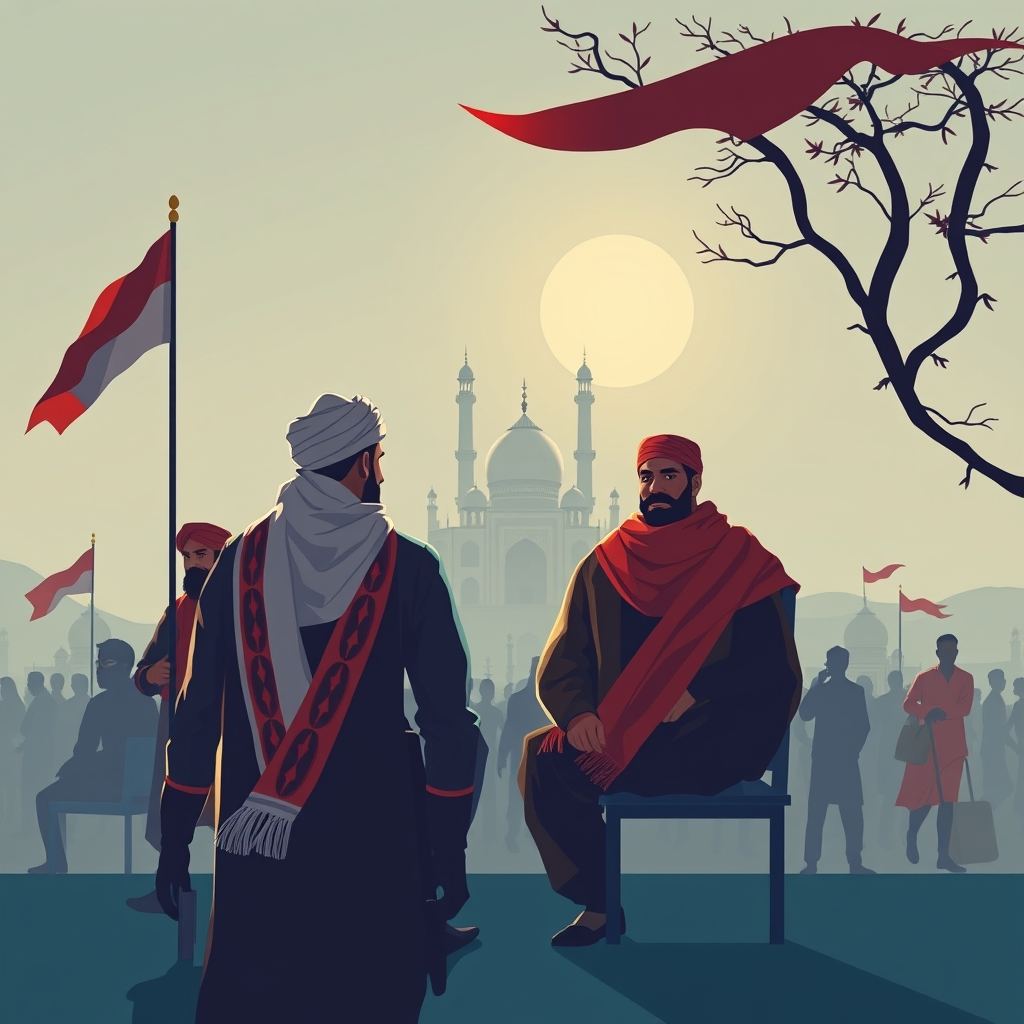
EU to Host Taliban Delegation in Brussels for Critical Migration Talks
In a significant diplomatic shift, Belgium has issued visas to a five-member Taliban delegation to attend an EU meeting in Brussels focused on migration. This marks the first time the European Union will host representatives of the Islamist group since they reclaimed power in Afghanistan five years ago.
A Technical Engagement Amidst Diplomatic Caution
The European Commission has moved to frame this upcoming meeting as strictly "technical" in nature, emphasizing that the engagement does not constitute formal recognition of the Taliban regime. To manage the political sensitivity of the visit, Belgium has issued visas with strictly limited territorial validity—allowing entry only to Belgium—and for a single day only. For security reasons, the exact date of the visit remains undisclosed.
The primary objective of the talks, according to communications sent to Taliban foreign ministry spokesman Abdul Qaher Balkhi, is to discuss the "return and readmission of Afghan nationals without a right to stay in the European Union." As the EU faces increasing domestic pressure to tighten migration policies, the bloc is seeking pragmatic channels to deport individuals who do not meet the criteria for asylum.
Human Rights Concerns and the Humanitarian Crisis
The decision to engage with the Taliban has ignited intense criticism from international human rights organizations. Groups such as Amnesty International and Human Rights Watch have cautioned that negotiating deportations could undermine core EU values and place Afghan nationals at extreme risk.
The Taliban's governance has been characterized by severe restrictions, including the banning of girls from education beyond primary school and the curtailment of women's rights. Furthermore, Afghanistan is currently grappling with a massive humanitarian emergency. The UN World Food Programme reports that over 17 million Afghans—roughly one-third of the population—are food insecure. Critics argue that sending deportees back into a landscape of famine and systemic oppression is ethically indefensible.
The Pragmatic Necessity of Communication
Despite the ethical outcry, the EU faces a legal and logistical deadlock. While EU law allows for the deportation of individuals convicted of serious crimes or deemed security threats, the lack of formal diplomatic relations with Kabul has made these returns nearly impossible.
By opening a narrow door for technical dialogue, the EU is attempting to navigate a complex reality: managing a surge in asylum seekers while dealing with a de facto government that controls the territory where those migrants would be sent. This move signals a pivot from pure ideological opposition toward a transactional form of diplomacy aimed at resolving specific migration hurdles.
What It Means for India
- Regional Stability and Migration Flows: India, sharing a complex border and history with Afghanistan, closely monitors any shifts in Afghan governance and international engagement. A more structured (even if technical) relationship between the West and the Taliban could influence the stability of the region and the management of refugee movements.
- Diplomatic Precedent: The EU's decision to engage with a non-recognized regime for specific functional purposes sets a precedent for how global powers handle "de facto" authorities. India may observe these developments to refine its own nuanced approach to engaging with various non-state actors or unrecognized administrations in its neighborhood.
- Counter-Terrorism and Security: As the EU seeks to discuss deportations, the underlying security implications remain critical. For India, any normalization of technical ties between the West and the Taliban must be weighed against the long-term security implications for South Asia and the potential for extremist elements to gain legitimacy.