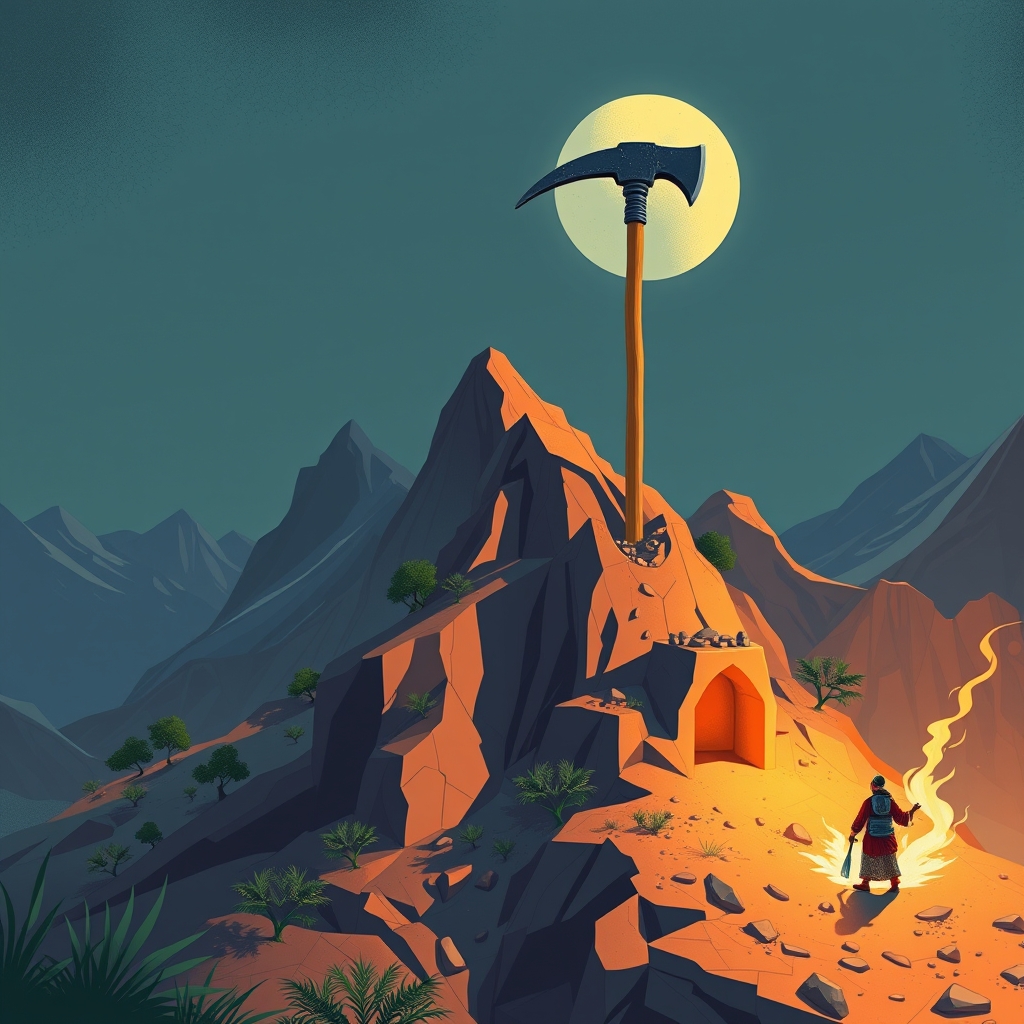
Iran Moves Nuclear Centrifuges to Deep Underground Pickaxe Mountain
Iran has reportedly relocated thousands of nuclear centrifuges to a heavily fortified underground complex known as Pickaxe Mountain, located near the Natanz facility. This strategic move, buried under 300 feet of solid granite, appears designed to safeguard Iran's nuclear infrastructure from potential Western and Israeli airstrikes.
The Deep Granite Fortress: A Move for Survivability
According to reports from the Wall Street Journal citing US and Israeli intelligence, the transfer of centrifuges likely took place last autumn. This follows a period of heightened tension in June 2025, when US and Israeli forces targeted several Iranian nuclear sites. The Pickaxe site, however, remained untouched during those strikes and has also escaped the more aggressive aerial campaigns that began on February 28.
Intelligence analysts suggest the facility is significantly more resilient than the Natanz and Fordo enrichment plants, which were damaged in earlier bombings. Satellite imagery has documented consistent truck movements and construction activity around the mountain for approximately 15 months, indicating a long-term, deliberate effort to build a highly survivable nuclear installation.
Transparency Gap and the IAEA Dilemma
The development has intensified the standoff between Tehran and the International Atomic Energy Agency (IAEA). While IAEA Director General Rafael Grossi noted that Iran expressed intent to have nuclear activity at the Pickaxe site as early as 2021, the agency has been denied access to the complex.
The lack of international monitoring has raised the specter of a "covert breakout"—a scenario where a state rapidly produces weapons-grade material in secret. With Iran already enriching uranium to levels that experts argue have no practical civilian use, the inability of the IAEA to verify activities inside Pickaxe Mountain has fueled global fears that the site is being prepared for clandestine weapons development.
Escalating Rhetoric from Washington
The geopolitical stakes have reached a fever pitch following recent statements from US President Donald Trump. Trump has explicitly identified Pickaxe Mountain as a potential target for heavy military action, suggesting the US would "give Pickaxe a shot relatively soon." This rhetoric indicates a shift toward a more preemptive military posture to prevent Iran from achieving a nuclear breakout capability.
Former US National Security Council official Nate Swanson has characterized the current status quo as deeply problematic, emphasizing that the inability to verify activities at undeclared sites represents a worst-case scenario for global non-proliferation efforts.
What It Means for India
As a major global power with significant energy needs and complex diplomatic ties in West Asia, India must navigate the fallout of this escalation:
- Energy Security Risks: Any direct military conflict between the US/Israel and Iran could disrupt critical maritime corridors in the Persian Gulf and the Strait of Hormuz, threatening India's oil and gas imports and impacting domestic inflation.
- Strategic Autonomy and Diplomacy: India's "Link West" policy requires a delicate balance. While New Delhi remains committed to the global non-proliferation regime, it must manage its bilateral relations with Iran—a key partner for connectivity projects like the Chabahar Port—while maintaining its strategic partnership with the US.
- Regional Stability: A nuclear-armed Iran or a massive escalation in the Middle East would alter the security architecture of the Indian Ocean Region, potentially forcing India to recalibrate its maritime security posture and its approach to regional power dynamics.