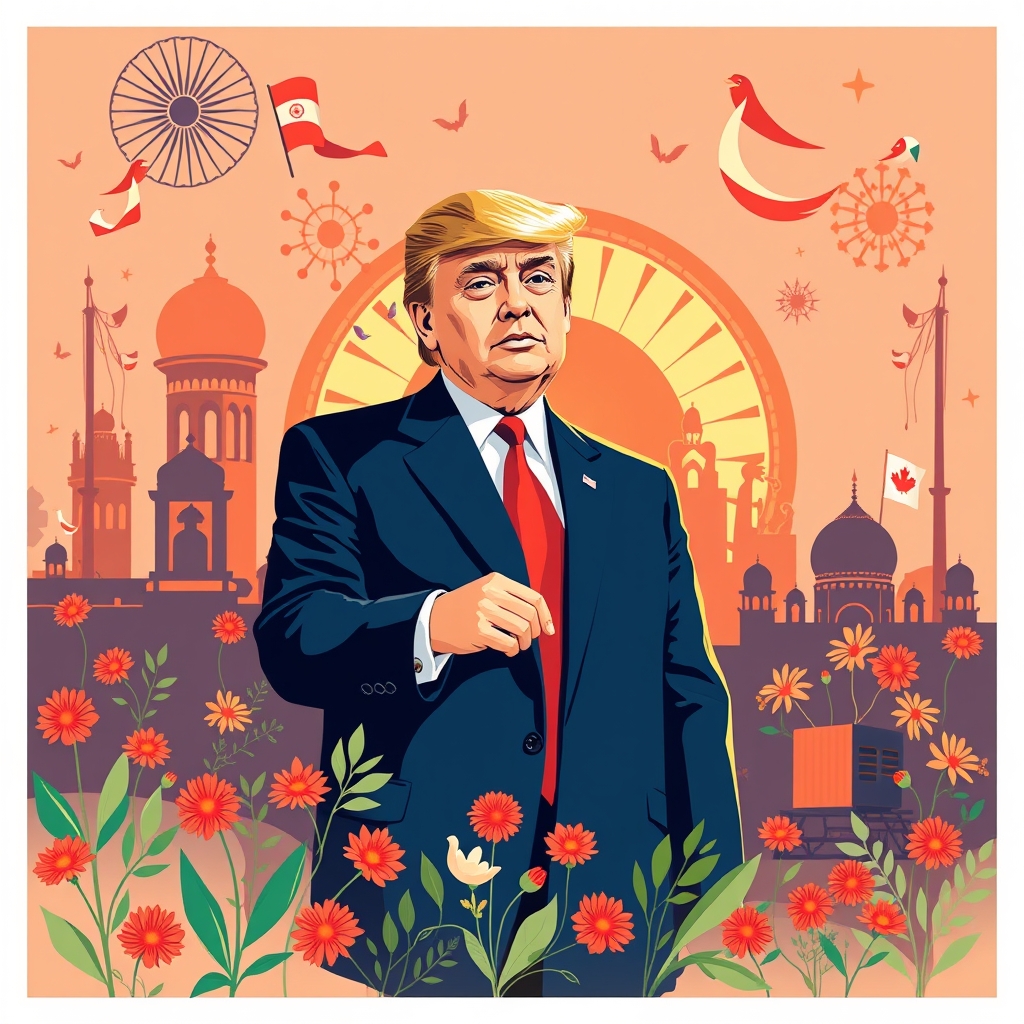
US President Donald Trump has set an August 19 deadline for a sweeping 50 percent tariff on Canadian exports. The targeted list reads like a strange shopping basket: honey, cement, dairy products, wood, essential oils, perfumes, liquor, hockey sticks, and even dog leashes. Together, these goods represent roughly $28 billion Canadian dollars in annual trade. Beneath the surface of this aggressive announcement lies a more complex story about negotiation leverage, the fraying of North American trade alliances, and the growing use of tariffs as diplomatic muscle rather than simple economic policy.
What Is Actually on the Line
The proposed tariffs are notable not only for their rate but for what they deliberately avoid. Strategic sectors such as energy products, potash, fish, and critical minerals have been left off the list. Washington is threatening to tax consumer and industrial goods while carefully protecting the raw materials that feed American factories, farms, and battery plants. That selective approach reveals the economic limits of the threat. American agriculture, for instance, depends heavily on Canadian potash. Exempting it is not an act of kindness; it is a necessity.
Still, the damage would be real. Randall Bartlett, deputy chief economist at Desjardins, estimates that the tariffs could hit approximately $28 billion CAD ($19.8 billion USD) in annual Canadian exports. That represents roughly 5 percent of total US imports from Canada. Bartlett warns that the drag could shave 0.2 percent to 0.3 percent off Canada’s GDP growth in 2026 and 2027. For an economy already navigating high debt levels and soft productivity growth, that is a meaningful blow.
The legal mechanism matters too. These tariffs would bypass protections established under the United States-Mexico-Canada Agreement (USMCA). The US has declined to renew the pact, triggering a fresh negotiation cycle that could last until 2036. This is not a one-time tax hike. It is an opening salvo in what could become a decade-long rewrite of North American trade rules, giving Washington years to chip away at terms it no longer favors.
The Psychology of the Threat
A central question among analysts is whether these duties are designed to be collected or simply brandished. Fen Osler Hampson, a professor of international affairs at Carleton University, argues that the chosen targets are politically calculated. Perfume, liquor, and hockey sticks are discretionary items. If prices rise, American consumers can simply choose not to buy them. The direct inflationary pain is minimal, which lowers the political cost for Trump while maximizing pressure on Ottawa.
Yet the second-order effects deserve attention. Small and medium-sized enterprises dominate Canada’s export base in these sectors. A lumber mill in British Columbia, a dairy processor in Quebec, or a distillery in Nova Scotia operates on thin margins and fixed contracts. Forced cost absorption or lost orders would trigger layoffs. Those layoffs would ripple outward, suppressing consumer spending and residential investment across provincial economies. The tariff wall may look narrow, but the economic water pressure behind it is not.
The tension is also deeply personal. Relations between Trump and Canadian Prime Minister Mark Carney soured after Carney’s criticisms of the administration at the World Economic Forum in Davos. The tariff threat arrived in that context. But Carney has since stated that both leaders agreed to intensify trade talks. That sequence fits a familiar pattern: announce catastrophic consequences, create urgency, then negotiate under pressure. For Canada, the challenge is deciding when to call the bluff and when to offer concessions in the upcoming USMCA renegotiations.
The Resource Paradox
One of the most striking contradictions in this dispute is Washington’s dual posture. While threatening tariffs on manufactured and consumer goods, the US is simultaneously seeking to invest in Canadian mining to secure critical minerals. British Columbia Premier David Eby highlighted the friction directly, noting that the US cannot attack Canadian workers while hoping to guarantee access to the very resources the rest of the world is competing for.
یہ "وسائل کی سفارت کاری" ٹرمپ کی تجارتی جارحیت کی تزویراتی حد کو بے نقاب کرتی ہے۔ واشنگٹن تیار شدہ اشیاء پر تعزیری ٹیرف کے ذریعے مقامی صنعتوں کا تحفظ کرنا چاہتا ہے۔ اسی وقت، یہ دفاعی ٹیکنالوجی، الیکٹرک گاڑیوں کی بیٹریاں، اور زرعی کھاد کے لیے کینیڈین خام مال پر تزویراتی طور پر منحصر ہے۔ توانائی اور معدنیات کو استثنیٰ دینا کوئی غفلت نہیں ہے۔ یہ انحصار کا اعتراف ہے۔ امریکہ تعلقات کو حصوں میں تقسیم کرنے کی کوشش کر رہا ہے: ان پٹ (inputs) کو سستا اور رواں رکھنا، جبکہ ان مصنوعات پر ٹیکس لگانا جن میں اضافی قدر شامل ہے اور جو امریکی کمپنیوں کے ساتھ مقابلہ کرتی ہیں۔
اس کا بھارت کے لیے کیا مطلب ہے
شمالی امریکی تجارت کی بدلتی ہوئی صورتحال بھارت کی معاشی اور تزویراتی پوزیشننگ کے لیے مخصوص اور عملی اثرات پیدا کرتی ہے۔
سپلائی چین میں تنوع۔ چونکہ امریکہ مزید تحفظ پسندانہ رویے اپنا رہا ہے اور اپنے قریبی پڑوسیوں کے ساتھ بھی تجارتی اتار چڑھاؤ پیدا کر رہا ہے، اس لیے کیمیکلز، ضروری تیلوں، اور تیار شدہ اشیاء جیسے شعبوں میں بھارتی برآمد کنندگان کو نئے مواقع مل سکتے ہیں۔ اگر کینیڈین سپلائرز کو امریکی مارکیٹ میں 50 فیصد ٹیکس کا نقصان اٹھانا پڑتا ہے، تو امریکہ میں خریدار متبادل تلاش کرنا شروع کر دیں گے۔ وہ بھارتی کمپنیاں جو پہلے سے ہی امریکی ریگولیٹری معیارات پر پورا اترتی ہیں، انہیں اب فعال ہونا چاہیے، نہ کہ یہ دیکھنے کا انتظار کرنا چاہیے کہ آیا ٹیرف برقرار رہتے ہیں یا نہیں۔ کینیڈین برآمدات کے براہ راست حریفوں کی شناخت کے لیے harmonized tariff schedule codes کی جانچ کرنا ایک ٹھوس پہلا قدم ہے۔
اہم معدنیات کا مقابلہ۔ کینیڈین کان کنی کی پیداوار پر قبضہ کرنے کے لیے امریکی دوڑ تزویراتی وسائل کے لیے عالمی ریس کو اجاگر کرتی ہے۔ بھارت اپنی مقامی توانائی کی منتقلی (energy transition)، شمسی توانائی کی تیاری سے لے کر بیٹری اسمبلی تک، کے لیے معدنی تحفظ کے حصول کے لیے بھرپور کوششیں کر رہا ہے۔ چونکہ واشنگٹن اب کینیڈین لیتھیئم، کوبالٹ، اور ریئر ارتھ (rare earth) کی صلاحیتوں کے لیے جارحانہ بولی لگا رہا ہے، اس لیے نئی دہلی کو ایک وارننگ اور ایک تحریک دونوں کا سامنا ہے۔ اسے امریکی سرمایہ کاری کے حریفوں کو قیمتوں کے ذریعے باہر نکالنے سے پہلے اپنی مقامی تلاش (exploration) کو تیز کرنے، اپنی پروسیسنگ کی صلاحیتوں کو بہتر بنانے، اور افریقہ اور وسطی ایشیا میں طویل مدتی معاہدے محفوظ کرنے کی ضرورت ہے۔ کھلی مارکیٹ میں خام معدنیات (raw ore) خریدنا اب مزید مہنگا ہونے والا ہے۔
عالمی تجارتی نظیر۔ مذاکرات کے آلے کے طور پر بڑے پیمانے پر، مختلف شعبوں پر محیط ٹیرف کا استعمال روایتی کثیر الجہتی (multilateralism) سے ہٹ کر لین دین کی سفارت کاری (transactional diplomacy) کی طرف ایک واضح پیش قدمی کا اشارہ ہے۔ بھارت کے لیے، یہ نظریاتی حقیقت کے بجائے ایک عملی حقیقت کو تقویت دیتا ہے۔ امریکہ سمیت کسی بھی ایک بڑے مارکیٹ پر بہت زیادہ انحصار کرنا ساختی طور پر خطرناک ہے۔ یورپی یونین، جنوب مشرقی ایشیائی ممالک، اور خلیجی معیشتوں کے ساتھ دو طرفہ تجارتی معاہدے محض سفارتی کامیابیاں نہیں ہیں۔ وہ اچانک تحفظ پسندانہ تبدیلیوں کے خلاف انشورنس پالیسیوں کے طور پر کام کرتے ہیں۔ برآمدی مارکیٹوں میں تنوع لانا اب محض ترقی کی حکمت عملی نہیں ہے؛ بلکہ یہ اتار چڑھاؤ کے خلاف ایک حفاظتی تدبیر ہے۔