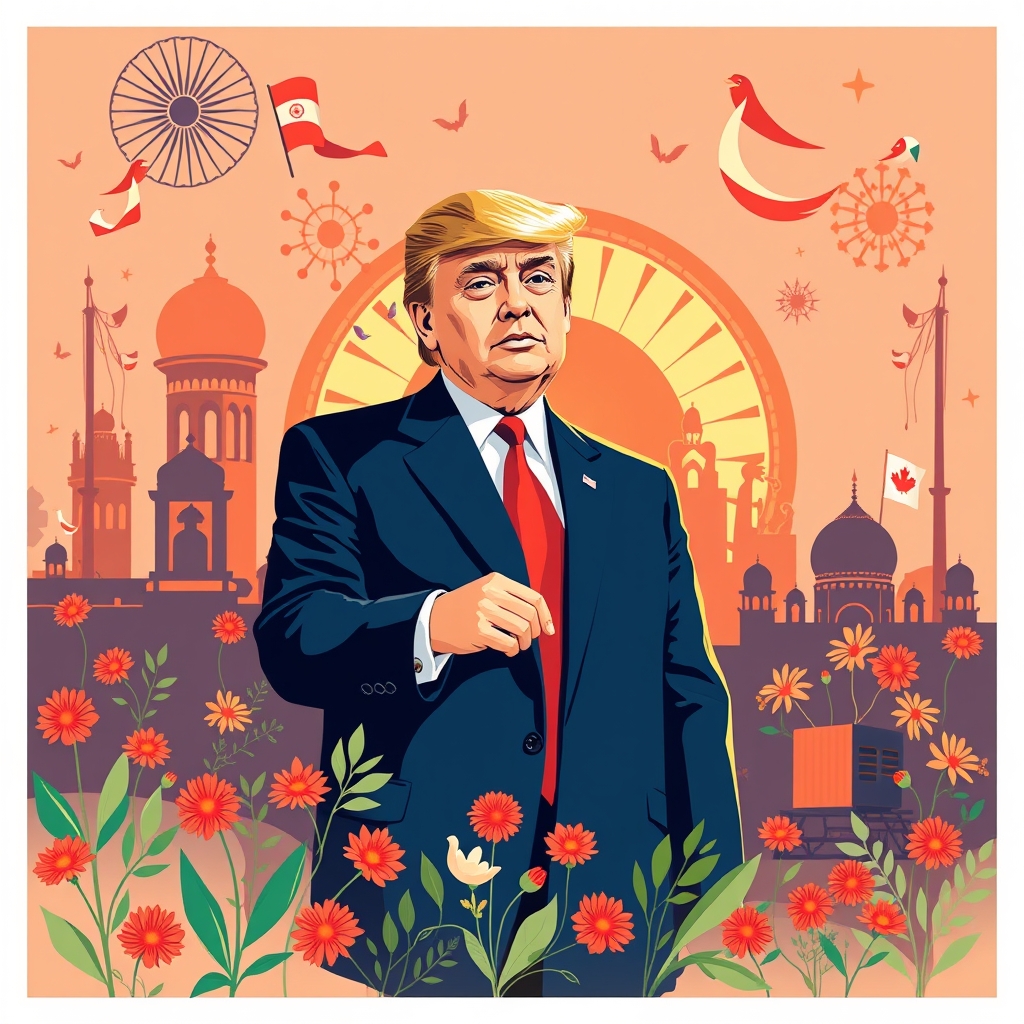
US President Donald Trump has set an August 19 deadline for a sweeping 50 percent tariff on Canadian exports. The targeted list reads like a strange shopping basket: honey, cement, dairy products, wood, essential oils, perfumes, liquor, hockey sticks, and even dog leashes. Together, these goods represent roughly $28 billion Canadian dollars in annual trade. Beneath the surface of this aggressive announcement lies a more complex story about negotiation leverage, the fraying of North American trade alliances, and the growing use of tariffs as diplomatic muscle rather than simple economic policy.
What Is Actually on the Line
The proposed tariffs are notable not only for their rate but for what they deliberately avoid. Strategic sectors such as energy products, potash, fish, and critical minerals have been left off the list. Washington is threatening to tax consumer and industrial goods while carefully protecting the raw materials that feed American factories, farms, and battery plants. That selective approach reveals the economic limits of the threat. American agriculture, for instance, depends heavily on Canadian potash. Exempting it is not an act of kindness; it is a necessity.
Still, the damage would be real. Randall Bartlett, deputy chief economist at Desjardins, estimates that the tariffs could hit approximately $28 billion CAD ($19.8 billion USD) in annual Canadian exports. That represents roughly 5 percent of total US imports from Canada. Bartlett warns that the drag could shave 0.2 percent to 0.3 percent off Canada’s GDP growth in 2026 and 2027. For an economy already navigating high debt levels and soft productivity growth, that is a meaningful blow.
The legal mechanism matters too. These tariffs would bypass protections established under the United States-Mexico-Canada Agreement (USMCA). The US has declined to renew the pact, triggering a fresh negotiation cycle that could last until 2036. This is not a one-time tax hike. It is an opening salvo in what could become a decade-long rewrite of North American trade rules, giving Washington years to chip away at terms it no longer favors.
The Psychology of the Threat
A central question among analysts is whether these duties are designed to be collected or simply brandished. Fen Osler Hampson, a professor of international affairs at Carleton University, argues that the chosen targets are politically calculated. Perfume, liquor, and hockey sticks are discretionary items. If prices rise, American consumers can simply choose not to buy them. The direct inflationary pain is minimal, which lowers the political cost for Trump while maximizing pressure on Ottawa.
Yet the second-order effects deserve attention. Small and medium-sized enterprises dominate Canada’s export base in these sectors. A lumber mill in British Columbia, a dairy processor in Quebec, or a distillery in Nova Scotia operates on thin margins and fixed contracts. Forced cost absorption or lost orders would trigger layoffs. Those layoffs would ripple outward, suppressing consumer spending and residential investment across provincial economies. The tariff wall may look narrow, but the economic water pressure behind it is not.
The tension is also deeply personal. Relations between Trump and Canadian Prime Minister Mark Carney soured after Carney’s criticisms of the administration at the World Economic Forum in Davos. The tariff threat arrived in that context. But Carney has since stated that both leaders agreed to intensify trade talks. That sequence fits a familiar pattern: announce catastrophic consequences, create urgency, then negotiate under pressure. For Canada, the challenge is deciding when to call the bluff and when to offer concessions in the upcoming USMCA renegotiations.
The Resource Paradox
One of the most striking contradictions in this dispute is Washington’s dual posture. While threatening tariffs on manufactured and consumer goods, the US is simultaneously seeking to invest in Canadian mining to secure critical minerals. British Columbia Premier David Eby highlighted the friction directly, noting that the US cannot attack Canadian workers while hoping to guarantee access to the very resources the rest of the world is competing for.
این «دیپلماسی منابع»، مرزهای استراتژیک تجاوزگری تجاری ترامپ را آشکار میکند. واشینگتن میخواهد از طریق وضع تعرفههای تنبیهی بر کالاهای نهایی، از صنایع داخلی خود محافظت کند. در عین حال، این کشور برای تأمین فناوریهای دفاعی، باتریهای خودروهای الکتریکی و کودهای کشاورزی، همچنان از نظر استراتژیک به مواد خام کانادا وابسته است. معافیت بخش انرژی و مواد معدنی یک سهو نیست، بلکه اعتراف به این وابستگی است. ایالات متحده در تلاش است تا رابطه را بخشبندی کند: ورودیها را ارزان و روان نگه دارد، در حالی که بر محصولات با ارزش افزوده که با شرکتهای آمریکایی رقابت میکنند، مالیات وضع میکند.
این موضوع برای هند چه معنایی دارد؟
تحولات پویای تجارت در آمریکای شمالی، پیامدهای عملی و مشخصی برای جایگاه اقتصادی و استراتژیک هند ایجاد میکند.
تنوعبخشی به زنجیره تأمین. با اتخاذ مواضع حمایتیتر توسط ایالات متحده و ایجاد نوسانات تجاری حتی با نزدیکترین همسایگانش، صادرکنندگان هندی در بخشهایی مانند مواد شیمیایی، روغنهای اسانسی و کالاهای فرآوریشده ممکن است فرصتهای جدیدی بیابند. اگر تأمینکنندگان کانادایی در بازار آمریکا با ۵۰ درصد عدم مزیت مالیاتی مواجه شوند، خریداران در ایالات متحده شروع به جستجوی جایگزینها خواهند کرد. شرکتهای هندی که در حال حاضر با استانداردهای نظارتی آمریکا مطابقت دارند، باید همین حالا فعال شوند و منتظر نمانند تا ببینند آیا این تعرفهها پابرجا میمانند یا خیر. بررسی کدهای جدول تعرفه هماهنگشده برای شناسایی رقبای مستقیم صادرات کانادا، یک گام نخستین و ملموس است.
رقابت بر سر مواد معدنی حیاتی. تلاش بیوقفه آمریکا برای تسلط بر تولیدات معدنی کانادا، نشاندهنده رقابت جهانی برای دستیابی به منابع استراتژیک است. هند به شکلی تهاجمی در پی تأمین امنیت معدنی برای تغذیه گذار انرژی داخلی خود، از تولید تجهیزات خورشیدی گرفته تا مونتاژ باتری است. با توجه به اینکه واشینگتن اکنون به شدت برای ظرفیتهای لیتیوم، کبالت و عناصر نادر خاکی کانادا رقابت میکند، دهلی نو هم با یک هشدار و هم با یک فرصت روبروست. هند باید اکتشافات داخلی خود را تسریع کند، قابلیتهای فرآوری خود را بهبود بخشد و پیش از آنکه سرمایههای آمریکایی قیمتها را برای رقبا غیرقابل دسترس کنند، قراردادهای بلندمدتی در آفریقا و آسیای مرکزی منعقد کند. خرید سنگ معدن خام در بازار آزاد بهزودی گرانتر خواهد شد.
الگوی تجاری جهانی. استفاده از تعرفههای عظیم و گسترده در بخشهای مختلف به عنوان ابزار مذاکره، نشاندهنده حرکتی آشکار از چندجانبهگرایی سنتی به سمت دیپلماسی معاملاتی است. برای هند، این موضوع بیش از آنکه یک واقعیت ایدئولوژیک باشد، یک واقعیت عملیاتی را تقویت میکند. اتکای بیش از حد به هر یک از بازارهای بزرگ، از جمله ایالات متحده، از نظر ساختاری پرریسک است. توافقنامههای تجاری دوجانبه با اتحادیه اروپا، کشورهای جنوب شرق آسیا و اقتصادهای حوزه خلیج فارس، فراتر از دستاوردهای دیپلماتیک هستند؛ آنها به عنوان بیمهنامهای در برابر تغییرات ناگهانی سیاستهای حمایتی عمل میکنند. تنوعبخشی به بازارهای صادراتی دیگر تنها یک استراتژی رشد نیست، بلکه ابزاری برای مقابله با نوسانات است.