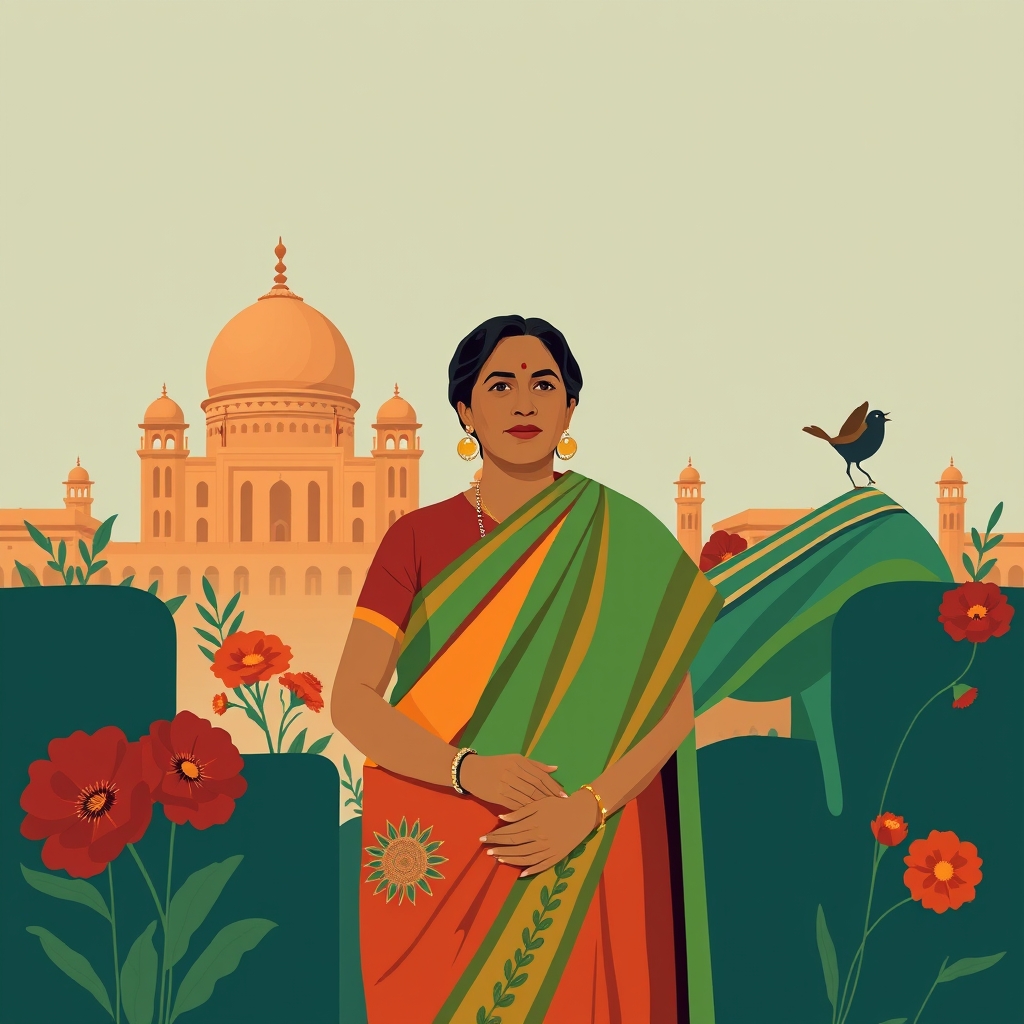
Melinda French Gates has spent decades making a case that still meets resistance in boardrooms and parliaments: when women step into their full potential, entire communities transform. Not eventually. Not indirectly. Immediately and measurably. Her argument treats female empowerment as a structural force rather than a charitable afterthought. The point is not that helping women is nice. It is that ignoring half the population is expensive, and the cost shows up in stunted economies, fragile households, and lopsided policies.
The Household as Ground Zero
Gates describes a multiplier effect that begins at the most basic unit of society: the home. When a woman has income and real decision-making power, her spending patterns shift. She is more likely to buy nutritious food, pay school fees, and seek preventive healthcare for her children. These choices accumulate. A child who eats adequately attends school with a working brain. A child who finishes school earns more than their parents and escapes the intergenerational trap of poverty. The cycle turns virtuous.
This is not abstract theory. It plays out in concrete decisions. A mother with her own earnings chooses protein and vegetables over empty calories. She buys the textbook instead of pulling the daughter out to mind a younger sibling. She visits the clinic for vaccinations rather than waiting for an emergency. Small choices, repeated across millions of households, reshape national literacy charts, infant mortality rates, and labor productivity decades later. Gates emphasizes that the transition from dependency to financial independence does not merely liberate the woman. It stabilizes the household, and stable households form the bedrock of resilient local economies.
The Economic Engine
Take that same woman into the market, and the effects widen. She might open a tailoring shop, join a dairy cooperative, or finally get a bank account in her own name. The income she earns does not sit under a mattress. It circulates. She hires a neighbor. She buys from the local provision store. The storekeeper orders more stock and pays taxes. Economies grow from the bottom up when women control assets. Research consistently shows that bringing women into formal labor markets pads national output and smooths consumer demand.
Gates stresses that financial independence is not merely a lifestyle improvement. It is economic infrastructure. Communities where women control economic resources see lower default rates on micro-loans and higher rates of reinvestment. A local economy with broad participation becomes less fragile. Households with diverse income streams weather recessions and crop failures better than those relying on a single earner. The contribution to national GDP is real, but the deeper gain is consumer stability and commercial depth in places that would otherwise oscillate between subsistence and crisis.
Rewriting the Rules
Then there is the question of who writes the laws and allocates budgets. Gates has consistently noted that parliaments and village councils operate with dangerous blind spots when they are entirely male. Women in leadership do not simply replicate existing agendas. They change what gets discussed. Roads get built, but so do maternity wards. Defense budgets remain, but so do school lunch programs. In India, the reservation of seats for women in local Panchayats has offered a controlled experiment. Councils with female representatives have historically invested more in drinking water, sanitation, and road maintenance. The evidence is visible in the village infrastructure.
At higher levels, female lawmakers and administrators push harder for legislation on domestic violence, parental leave, and primary healthcare. The shift in decision-making is not about replacing one bias with another. It is about including the other half of lived experience. Policies shaped by diverse leadership tend to address healthcare, education, and social welfare more effectively because they reflect the actual texture of the population.
A Security Issue, Not a Side Project
দীর্ঘকাল ধরে দাতা সংস্থা এবং কূটনীতিকরা লিঙ্গ সমতাকে একটি নৈতিক বোনাস হিসেবে বিবেচনা করে এসেছেন। গেটস এই আলোচনার মোড় ঘুরিয়ে দিতে সাহায্য করেছেন। এটি এখন একটি কঠোর অর্থনৈতিক এবং নিরাপত্তার প্রয়োজনীয়তা। যে দেশগুলো মেয়েদের মাধ্যমিক স্কুল থেকে বঞ্চিত করে বা নারীদের চুক্তি স্বাক্ষর করতে বাধা দেয়, তারা কেবল অন্যায্য আচরণই করছে না; তারা নিজেদের ভবিষ্যৎ সম্পদকেই নষ্ট করছে। তারা ধীর প্রবৃদ্ধি, ছোট কর ভিত্তি এবং উচ্চতর সামাজিক বিভাজনের সম্মুখীন হয়। উন্নয়ন অর্থনীতিবিদরা এখন বড় ধরনের লিঙ্গ বৈষম্যকে বাজারের ব্যর্থতা হিসেবে দেখেন যা মানব পুঁজির বিকাশকে সীমিত করে দেয়।
গেটস যে প্রভাবের কথা বর্ণনা করেছেন, তা নির্দেশ করে যে এই সংশোধন ছাড়া টেকসই উন্নয়ন অসম্ভব। একটি সমাজকে জীবনধারণের ন্যূনতম স্তর থেকে একটি সুসংগঠিত ও সমৃদ্ধ রাষ্ট্রে নিয়ে যেতে হলে নারী জনগোষ্ঠীর পূর্ণ অংশগ্রহণ প্রয়োজন। যে দেশগুলো এই সম্ভাবনাকে কাজে লাগাতে ব্যর্থ হয়, তারা নিশ্চিত পরিণতির সম্মুখীন হয়: স্থবির প্রবৃদ্ধি, মেধা পাচার এবং অস্থিরতা। লিঙ্গ সমতা এখন আর কেবল একটি সামাজিক বিষয় নয়। এটি একটি কার্যকর আধুনিক অর্থনীতি গড়ে তোলার পূর্বশর্ত।
ভারতের পাঁচ-ট্রিলিয়ন ডলারের পরীক্ষা
কেন এটি এখন গুরুত্বপূর্ণ, তার একটি স্পষ্ট উদাহরণ ভারত প্রদান করে। দেশটি ৫ ট্রিলিয়ন ডলারের অর্থনীতি হওয়ার লক্ষ্য নির্ধারণ করেছে। অর্ধেক জনশক্তিকে কাজের বাইরে রেখে এই লক্ষ্য অর্জন করা সম্ভব হবে না। ভারতের অর্থনৈতিক উচ্চাকাঙ্ক্ষার তুলনায় নারী শ্রমশক্তির অংশগ্রহণ এখনও কম। এটি বাড়ানো কোনো জনকল্যাণমূলক কাজ নয়; এটি উৎপাদনশীলতার জন্য একটি প্রয়োজনীয়তা। ইঞ্জিনিয়ারিং ভূমিকা, রপ্তানি কারখানা, কৃষি প্রযুক্তি এবং স্বাস্থ্যসেবা খাতে নারীদের প্রয়োজন। প্রতিটি নারী যখন অবৈতনিক গৃহস্থালি কাজ থেকে বেতনভুক্ত কর্মসংস্থানে প্রবেশ করেন, তখন তিনি সরাসরি দেশীয় উৎপাদন এবং জিডিপি প্রবৃদ্ধিতে অবদান রাখেন।
গ্রামীণ চিত্রটিও সমানভাবে জরুরি। যখন ভারতীয় নারীদের নিজস্ব উপার্জন এবং শিক্ষা থাকে, তখন তারা বিবাহ বিলম্বিত করে, কম কিন্তু স্বাস্থ্যবান সন্তান জন্ম দেয় এবং সরকারি স্বাস্থ্যসেবা গ্রহণ করে। শিশু মৃত্যুহার কমে। মাতৃস্বাস্থ্য উন্নত হয়। যেসব রাজ্যে নারী সাক্ষরতার হার বেশি, সেখানে ধারাবাহিকভাবে উন্নত টিকাদান কভারেজ এবং কম অপুষ্টি দেখা যায়। নারীদের আর্থিক স্বাধীনতা নিশ্চিত করা গ্রামীণ স্বাস্থ্য ব্যবস্থার উন্নয়ন এবং রাজ্যগুলোর মধ্যে উন্নয়নের ব্যবধান কমিয়ে আনার ভারতের দীর্ঘমেয়াদী লক্ষ্যের সাথে সরাসরি সামঞ্জস্যপূর্ণ।
নেতৃত্বই হলো শেষ সীমানা। ভারত স্থানীয় পঞ্চায়েতে নারীদের জন্য আসন সংরক্ষিত করেছে এবং এর ফলাফল গেটসের পূর্বাভাসের সত্যতা প্রমাণ করেছে। যেসব গ্রামে নারী প্রধান রয়েছেন, সেখানে প্রায়শই সাধারণ অবকাঠামোর রক্ষণাবেক্ষণ আরও ভালো দেখা যায়। এই প্রতিনিধিত্বকে উচ্চতর প্রশাসনিক পদ এবং কর্পোরেট বোর্ডে সম্প্রসারিত করলে নীতি নির্ধারণ আরও সুসংহত হবে। একটি বৈচিত্র্যময় নেতৃত্ব সেই সমস্যাগুলো শনাক্ত করতে পারে যা সমজাতীয় গোষ্ঠীগুলো এড়িয়ে যায়। ভারতের মতো সামাজিকভাবে বৈচিত্র্যময় দেশের জন্য এই সূক্ষ্মতা কোনো ঐচ্ছিক বিষয় নয়। তামিলনাড়ু এবং ত্রিপুরা, কিংবা মুম্বাইয়ের বস্তি এবং হিমালয়ের উপত্যকা—সবকিছুর জন্য কার্যকর আইন প্রণয়নের একমাত্র উপায় হলো এটি।
মূল কথা
মেলিন্ডা ফ্রেঞ্চ গেটসের শিক্ষাটি অত্যন্ত সহজ ও স্পষ্ট। নারীশক্তির সম্ভাবনা হারিয়ে যায়নি, বরং তা বাধাগ্রস্ত হচ্ছে। পুঁজি, শ্রেণিকক্ষ এবং প্রার্থী হওয়ার ক্ষেত্রে বাধাগুলো সরিয়ে দিলে বাকি সব কিছু আশ্চর্যজনক দ্রুতগতিতে সম্পন্ন হবে। সমাজকে নতুন করে ক্ষমতায়ন তৈরি করতে হবে না। বরং আইন, প্রথা এবং ঋণ বাজারের মাধ্যমে নারীদের বঞ্চিত করার মাধ্যমে ক্ষমতায়ন কেড়ে নেওয়া বন্ধ করতে হবে। ভারত এবং অন্যান্য প্রতিটি দেশের জন্য প্রশ্নটি এখন আর এটি নয় যে তারা লিঙ্গ সমতা বজায় রাখতে পারবে কি না; বরং প্রশ্নটি হলো, তারা এটি বিলম্বিত করা চালিয়ে যেতে পারবে কি না।