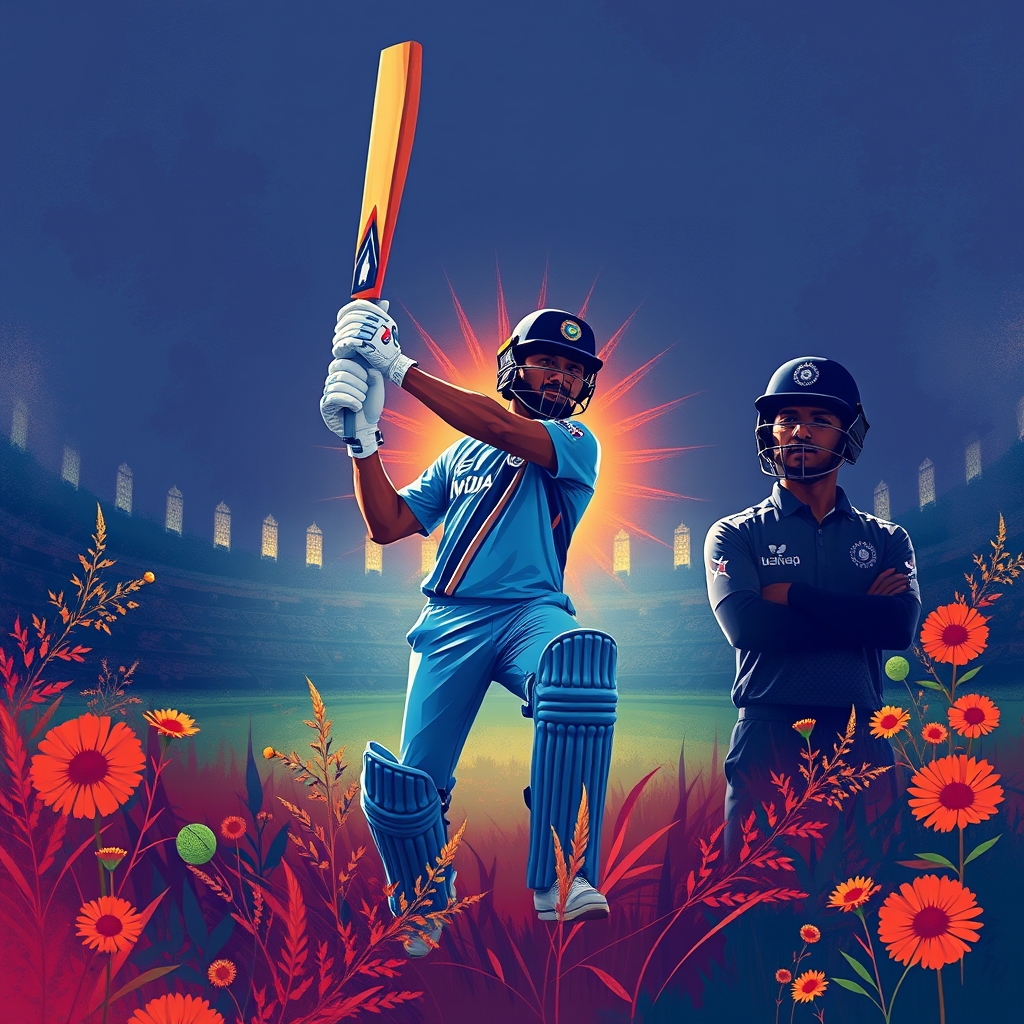
India's recent one-day international series against England ended on a sour note. After drawing first blood, the side stumbled badly, losing the next two fixtures by significant margins and handing the series to the visitors. The defeat has sharpened the usual conversations around the national team’s direction, especially regarding the future of two of its most recognisable batting figures. Into this debate stepped Ravichandran Ashwin, who offered a blunt assessment of Rohit Sharma and Virat Kohli. According to the veteran off-spinner, the pair remain untouchable in the ODI setup. His remarks have since fuelled fresh discussion about where experience ends and transition begins.
When a Series Turns
Losing a three-match ODI rubber after taking the lead is always a jolt. The first win suggested balance and momentum, but the two defeats that followed exposed cracks that a single victory had papered over. When a team loses consecutive games by large margins, the losses tend to raise questions not just about tactics on the day, but about overall squad composition and execution. A narrow defeat can be dismissed as a bad session. Two heavy defeats point toward something deeper. The series was cost not by fine margins, but by a dramatic reversal in form after the opening game. That sudden swing invited the kind of scrutiny that goes beyond selection tables and bowling changes, and moves toward questions of personnel, age, and long-term planning.
Ashwin’s Unambiguous Defence
Ravichandran Ashwin did not hedge. He called Rohit Sharma and Virat Kohli untouchable. In cricket, that is a deliberate and weighty word. It signals that a player is considered indispensable to the team’s identity and strategy, irrespective of short-term fluctuations in form or the external noise that follows every lean patch. Ashwin did not stop at a vague compliment. He discussed their specific place in the ODI format, framing them not as relics of a successful past but as still-central figures in the present.
This view runs counter to a strand of reaction that surfaces after every poor result: the instinct to refresh the side by removing its oldest names. Ashwin’s intervention suggests that the internal measurement of these two players differs from the box-score analysis that dominates television studios and social media timelines. A teammate sees the preparation, the dressing-room influence, and the tactical input that external observers cannot quantify. By branding them untouchable, Ashwin shifted the burden of proof. He placed it on those arguing for change, essentially asking them to name replacements who can offer both current performance and the same stabilising presence.
The ODI Puzzle
Fifty-over cricket occupies an awkward position in the modern calendar. It lacks the financial punch of Twenty20 and the timeless prestige of Test cricket. Yet it remains the format of World Cups, and for India, World Cup planning drives almost everything. Within this structure, Rohit and Kohli have shaped Indian batting for well over a decade. Their records speak for themselves, but Ashwin’s argument appears to go beyond statistics. He seems to suggest that their presence still dictates how opponents set fields, how bowlers adjust their plans, and how young batsmen in the adjacent net learn to construct an innings.
Removing that kind of institutional knowledge because of one bad series would, in this view, be a panic move rather than a calculated transition. ODI cricket demands continuity. Middle-order partnerships and chase templates take months, sometimes years, to internalise. A revolving door at the top can leave a side tactically fluent but emotionally unsettled. If the management treats these two as untouchable, it is essentially betting that their cricketing intelligence still outweighs whatever physical advantages younger alternatives might possess.
Planning for Stability
The draft reality is that the team must plan for long-term stability. Doing so while senior veterans remain automatic selections requires careful choreography. Transition does not happen in press conferences. It happens in A-team tours, in net sessions, and in the gradual blending of new players into existing frameworks. The selectors’ job is to identify which young cricketers can grow alongside the established names rather than simply wait in the wings for their jerseys.
That might mean giving a rookie batter the confidence to bat around Kohli during a chase, or letting a new opener study how Rohit negotiates the new ball against a swinging Dukes. These are incremental, coaching-heavy decisions. They take time, and bilateral series like the one against England are supposed to provide exactly that: time to experiment without the stakes of a global tournament. The heavy defeats complicate that process because they make experimentation look like weakness. But abandoning the plan entirely and purging experience would create a different kind of weakness altogether.
The Senior Player Argument
Indian cricket has never been shy about debating its icons. The resource pool is deep, alternatives are always knocking on the door, and the pressure to win is relentless. The debate over senior players continues, and this series loss has added fresh oxygen to it. What Ashwin offers is a qualifier: scrutiny is fair, but replacement must be earned, not assumed. He is not saying that Rohit and Kohli are beyond criticism. He is saying they are beyond replacement right now.
That distinction matters. It forces the conversation toward specifics. Who exactly comes in? What does that change? Will a younger batter guarantee runs in tough English conditions, or merely offer the illusion of freshness? These are the practical questions that get lost when debate turns into default ageism. Every champion side in history has had to manage the final phase of its great players. The successful ones managed it by phasing change gradually, not by detonating the dressing room after a single series setback.
The Road Ahead
The noise after this series will be loud. A home defeat to England in white-ball cricket always generates heat, and some of that will inevitably be aimed at the senior batsmen. But Ashwin’s public backing carries weight precisely because it comes from a peer who understands the rhythms of international cricket. He knows that performance data is only one layer of team-building. Culture, tactical acumen, and the ability to absorb pressure in high-stakes environments still matter, especially in a format where one mistake can cost a side fifty runs and the match.
India will move on to the next assignment, yet the questions raised by this series will linger. The challenge for the selectors and coaching staff is to build a