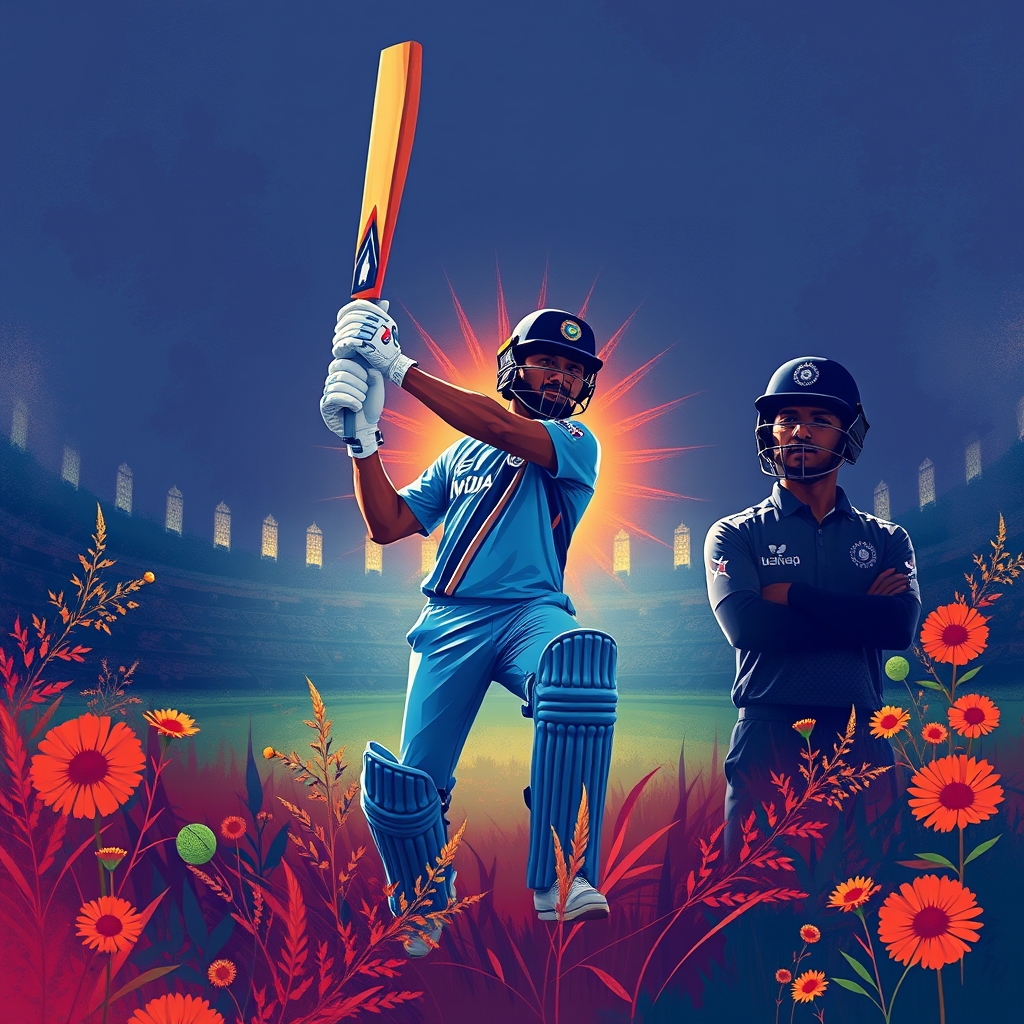
India's recent one-day international series against England ended on a sour note. After drawing first blood, the side stumbled badly, losing the next two fixtures by significant margins and handing the series to the visitors. The defeat has sharpened the usual conversations around the national team’s direction, especially regarding the future of two of its most recognisable batting figures. Into this debate stepped Ravichandran Ashwin, who offered a blunt assessment of Rohit Sharma and Virat Kohli. According to the veteran off-spinner, the pair remain untouchable in the ODI setup. His remarks have since fuelled fresh discussion about where experience ends and transition begins.
When a Series Turns
Losing a three-match ODI rubber after taking the lead is always a jolt. The first win suggested balance and momentum, but the two defeats that followed exposed cracks that a single victory had papered over. When a team loses consecutive games by large margins, the losses tend to raise questions not just about tactics on the day, but about overall squad composition and execution. A narrow defeat can be dismissed as a bad session. Two heavy defeats point toward something deeper. The series was cost not by fine margins, but by a dramatic reversal in form after the opening game. That sudden swing invited the kind of scrutiny that goes beyond selection tables and bowling changes, and moves toward questions of personnel, age, and long-term planning.
Ashwin’s Unambiguous Defence
Ravichandran Ashwin did not hedge. He called Rohit Sharma and Virat Kohli untouchable. In cricket, that is a deliberate and weighty word. It signals that a player is considered indispensable to the team’s identity and strategy, irrespective of short-term fluctuations in form or the external noise that follows every lean patch. Ashwin did not stop at a vague compliment. He discussed their specific place in the ODI format, framing them not as relics of a successful past but as still-central figures in the present.
This view runs counter to a strand of reaction that surfaces after every poor result: the instinct to refresh the side by removing its oldest names. Ashwin’s intervention suggests that the internal measurement of these two players differs from the box-score analysis that dominates television studios and social media timelines. A teammate sees the preparation, the dressing-room influence, and the tactical input that external observers cannot quantify. By branding them untouchable, Ashwin shifted the burden of proof. He placed it on those arguing for change, essentially asking them to name replacements who can offer both current performance and the same stabilising presence.
The ODI Puzzle
Fifty-over cricket occupies an awkward position in the modern calendar. It lacks the financial punch of Twenty20 and the timeless prestige of Test cricket. Yet it remains the format of World Cups, and for India, World Cup planning drives almost everything. Within this structure, Rohit and Kohli have shaped Indian batting for well over a decade. Their records speak for themselves, but Ashwin’s argument appears to go beyond statistics. He seems to suggest that their presence still dictates how opponents set fields, how bowlers adjust their plans, and how young batsmen in the adjacent net learn to construct an innings.
Removing that kind of institutional knowledge because of one bad series would, in this view, be a panic move rather than a calculated transition. ODI cricket demands continuity. Middle-order partnerships and chase templates take months, sometimes years, to internalise. A revolving door at the top can leave a side tactically fluent but emotionally unsettled. If the management treats these two as untouchable, it is essentially betting that their cricketing intelligence still outweighs whatever physical advantages younger alternatives might possess.
Planning for Stability
The draft reality is that the team must plan for long-term stability. Doing so while senior veterans remain automatic selections requires careful choreography. Transition does not happen in press conferences. It happens in A-team tours, in net sessions, and in the gradual blending of new players into existing frameworks. The selectors’ job is to identify which young cricketers can grow alongside the established names rather than simply wait in the wings for their jerseys.
这可能意味着在追分过程中,给一名新秀击球手信心,让他围绕 Kohli 进行击球;或者让一名新的开场球员观察 Rohit 是如何应对 Dukes 摆动球的新球的。这些都是渐进式的、高度依赖教练指导的决策。它们需要时间,而像对阵英格兰这样的双边系列赛,其目的正是为了提供这样的时间:在没有全球性赛事压力的情况下进行实验。惨败使这一过程变得复杂,因为这会让“实验”看起来像是“软弱”。但如果完全放弃计划并清洗经验丰富的球员,则会造成另一种完全不同的软弱。
关于老将的争论
印度板球界从来不避讳对自己的偶像进行辩论。人才储备非常深厚,替代者始终在敲门,获胜的压力也从未减弱。关于老将的争论仍在继续,而这次系列赛的失利为这场争论注入了新的火药味。Ashwin 提出的观点是一个限定条件:审视是合理的,但更替必须通过表现来赢得,而不是理所当然。他并不是说 Rohit 和 Kohli 是无可指摘的,他是在说,目前他们是不可替代的。
这种区别至关重要。它迫使讨论转向具体细节。究竟谁会顶替上来?这会带来什么变化?年轻的击球手能否在艰苦的英国条件下保证得分,还是仅仅提供一种“新鲜感”的错觉?当辩论演变成默认的年龄歧视时,这些实际问题往往会被忽视。历史上每一支冠军球队都必须应对其伟大球员的职业生涯末期。成功的球队通过逐步进行更迭来应对,而不是在一次系列赛受挫后就让更衣室陷入动荡。
前行之路
这次系列赛结束后,舆论将会非常嘈杂。在白球赛中主场负于英格兰总是会引发热议,其中一部分矛头不可避免地会指向老将击球手。但 Ashwin 的公开支持之所以有分量,正是因为他是一位理解国际板球节奏的同行。他知道,表现数据仅仅是球队建设的一个层面。文化、战术敏锐度以及在高压环境下承受压力的能力仍然至关重要,尤其是在这种一个失误就可能让球队丢掉 50 分甚至输掉比赛的赛制中。
印度将继续迎接下一个任务,但这次系列赛引发的问题仍会挥之不去。选拔人员和教练组面临的挑战是建立一个