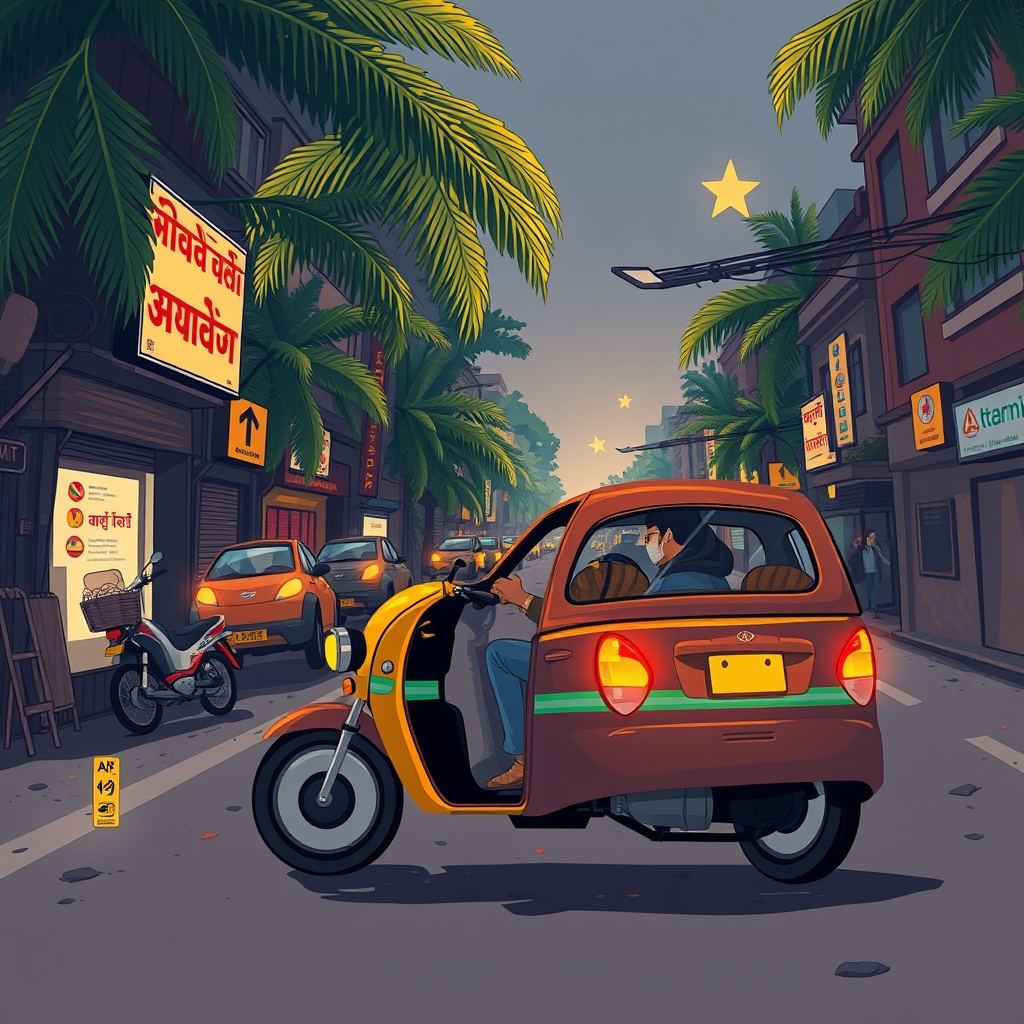
An American traveler in Bengaluru once asked an auto driver for a ride to Chickpet. The driver said no. That should have been the end of it—a routine refusal in a city where thousands of similar exchanges happen every hour. Instead of turning away or driving off, the two men stood there and talked. The traveler later shared the moment online, and it spread fast. People did not hit share because of outrage or spectacle. They shared it because the interaction felt rare, even though it should not be.
The episode offers a counter-narrative to the usual stories that emerge from Indian metros. Bengaluru generates plenty of headlines about traffic jams, metro delays, flooded underpasses, and the general stress of moving thirteen million people through insufficient roads. Those stories are real. But so is this one. A visitor and a local, separated by language and circumstance, finding a few minutes of genuine warmth on the pavement.
The Geography of a Refusal
Chickpet is not some suburban mall with wide driveways and valet parking. It is old Bengaluru—dense, commercial, and historically significant. The area is packed with wholesale cloth merchants, jewelry shops, and narrow lanes that have barely widened in decades. For an auto driver, agreeing to enter Chickpet during business hours often means sacrificing twenty minutes to move two hundred meters. Many refuse the fare simply because the destination is a time trap. The refusal itself is common.
What was uncommon was the manner. The driver did not wave his hand dismissively or pretend not to hear. He stopped. He explained, perhaps gestured toward the congestion ahead, and then stayed for the conversation. That pause is the entire story. In a gig economy where every minute unspent carrying a passenger is a minute losing money, choosing to chat with someone you have already declined to serve is an act of small but clear generosity. The American left without a ride but with a memory that outlasted the trip.
Why This Moment Traveled So Far
Social media feeds surrounding Bengaluru are often predictable. A video of a flooded street. A rant about an auto driver demanding triple the meter rate. A joke about the Silk Board junction that lands every time it rains. The algorithm rewards friction. So when a clip or post showed the opposite—an interaction built on patience rather than argument—it stood out immediately.
Viewers recognized something personal in the exchange. Many Bengaluru residents commented to say this is the side of their city that outsiders rarely see. Not the polished marketing of "India's Silicon Valley," but the ordinary civility of its streets. The viral reach did not depend on celebrity names or manufactured drama. It relied on something simpler: the shared recognition that a person can say no to your request and still say yes to your presence.
What Actually Happened There
The story is light on specifics, and that is part of its power. We do not know the exact words. We do not know how long they stood there. But we know enough to understand three things that rarely get discussed in travel blogs or city planning reports.
Small talk serves a purpose. Cities are held together by more than fiber optic cables and flyovers. They survive on micro-interactions. A nod to a neighbor. A brief complaint about heat with a shopkeeper. A two-minute conversation with a driver who cannot take your fare. These moments build what sociologists sometimes call "bridging capital"—the loose ties that make a place feel navigable. The traveler and the driver probably did not exchange life stories. They did not need to. The value was in the attempt to connect across obvious differences.
Kindness works outside the transaction. Travel reduces locals to providers and visitors to customers. Every request becomes a potential deal. When the driver refused the ride, the economic relationship ended. There was no service to render, no tip to earn, no review to chase. His decision to remain courteous afterward was not professional etiquette. It was personal choice. That distinction matters. In visit-after-visit itineraries where every human encounter is rated and reviewed, an interaction with zero commercial value can feel startlingly honest.
O caráter local muitas vezes se esconde à vista de todos. Os visitantes chegam com roteiros mentais. Alguns esperam um incômodo implacável; outros esperam as cores de Bollywood. A realidade costuma ser mais silenciosa. O motorista de auto-rickshaw nesta história não estava atuando para uma câmera. Ele estava simplesmente sendo ele mesmo em uma cidade onde as pessoas ainda tratam estranhos como vizinhos temporários, em vez de apenas ruído de fundo. Essa autenticidade foi o que superou as expectativas.
Lendo a Cidade ao Nível da Rua
A imagem global de Bengaluru está ancorada em parques de escritórios de vidro, pitch decks de startups e na ironia agradável de centros de inovação com ar-condicionado construídos sobre raízes de cidade-jardim. O discurso sobre infraestrutura domina a mídia local — e com razão, pois a cidade sofre com o seu próprio crescimento. Mas a infraestrutura é apenas metade da história. A outra metade é como as pessoas se comportam dentro dela.
Todo visitante de uma metrópole indiana aprende rapidamente que as negociações de auto-rickshaw são um rito de passagem. Você pergunta a dez motoristas antes que um aceite. Você pechincha, você desiste, você tenta de novo. Pode ser exaustivo. Também é íntimo. Você vê rostos, ouve sotaques, lê humores. Na maioria das vezes, o sistema funciona por meio de uma eficiência direta. Ocasionalmente, ele oferece um lembrete de que a pessoa por trás do guidão tem uma vida interior plena — opiniões, paciência, curiosidade, senso de humor.
Este momento viral destacou exatamente isso. Não romantizou o trabalho. Dirigir um auto-rickshaw no trânsito de Bengaluru é um trabalho árduo. Ele defendeu algo mais fundamentado: que, mesmo dentro da rotina exaustiva, as pessoas escolhem como tratam umas às outras.
Uma Lição Real
Você não precisa de um tour cultural guiado ou de um workshop de três horas para entender um lugar. Às vezes, uma única recusa em uma rua movimentada ensina mais do que um folheto turístico. O viajante americano não registrou uma transação. Ele registrou uma exceção que deveria ser a regra — duas pessoas se reconhecendo mesmo quando nada estava à venda.
Para os residentes, a história é um incentivo. Momentos virais desaparecem em quarenta e oito horas, mas o comportamento que eles celebram pode ser repetido indefinidamente. Da próxima vez que você recusar um pedido, a maneira como você o recusa importa. Para os visitantes, a lição é manter-se aberto ao encontro não roteirizado. As melhores memórias de viagem raramente acontecem dentro de monumentos com ingressos. Elas acontecem em calçadas, em pontos de ônibus e no assento de passageiro que nunca chegou a ser ocupado.
A internet encontrou uma história simples sobre Bengaluru e clicou em compartilhar. Esse ato, por si só, sugere que as pessoas têm sede de provas de que as cidades permanecem humanas em sua essência. Sob o ruído e o escapamento, o calor humano ainda está lá. Você só precisa parar para senti-lo.
Fonte: News18
Junte-se à nossa comunidade de aprendizado: GyaanSetu Bharat no Telegram