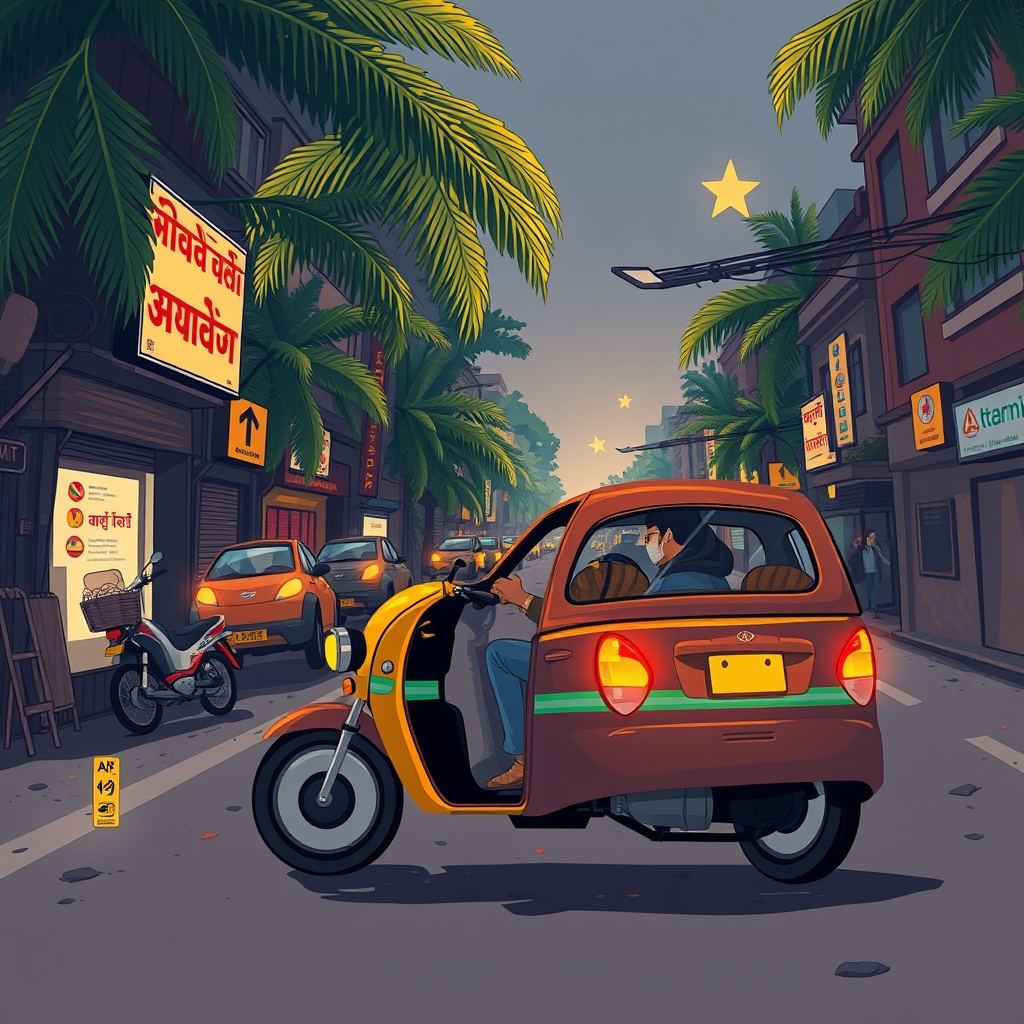
An American traveler in Bengaluru once asked an auto driver for a ride to Chickpet. The driver said no. That should have been the end of it—a routine refusal in a city where thousands of similar exchanges happen every hour. Instead of turning away or driving off, the two men stood there and talked. The traveler later shared the moment online, and it spread fast. People did not hit share because of outrage or spectacle. They shared it because the interaction felt rare, even though it should not be.
The episode offers a counter-narrative to the usual stories that emerge from Indian metros. Bengaluru generates plenty of headlines about traffic jams, metro delays, flooded underpasses, and the general stress of moving thirteen million people through insufficient roads. Those stories are real. But so is this one. A visitor and a local, separated by language and circumstance, finding a few minutes of genuine warmth on the pavement.
The Geography of a Refusal
Chickpet is not some suburban mall with wide driveways and valet parking. It is old Bengaluru—dense, commercial, and historically significant. The area is packed with wholesale cloth merchants, jewelry shops, and narrow lanes that have barely widened in decades. For an auto driver, agreeing to enter Chickpet during business hours often means sacrificing twenty minutes to move two hundred meters. Many refuse the fare simply because the destination is a time trap. The refusal itself is common.
What was uncommon was the manner. The driver did not wave his hand dismissively or pretend not to hear. He stopped. He explained, perhaps gestured toward the congestion ahead, and then stayed for the conversation. That pause is the entire story. In a gig economy where every minute unspent carrying a passenger is a minute losing money, choosing to chat with someone you have already declined to serve is an act of small but clear generosity. The American left without a ride but with a memory that outlasted the trip.
Why This Moment Traveled So Far
Social media feeds surrounding Bengaluru are often predictable. A video of a flooded street. A rant about an auto driver demanding triple the meter rate. A joke about the Silk Board junction that lands every time it rains. The algorithm rewards friction. So when a clip or post showed the opposite—an interaction built on patience rather than argument—it stood out immediately.
Viewers recognized something personal in the exchange. Many Bengaluru residents commented to say this is the side of their city that outsiders rarely see. Not the polished marketing of "India's Silicon Valley," but the ordinary civility of its streets. The viral reach did not depend on celebrity names or manufactured drama. It relied on something simpler: the shared recognition that a person can say no to your request and still say yes to your presence.
What Actually Happened There
The story is light on specifics, and that is part of its power. We do not know the exact words. We do not know how long they stood there. But we know enough to understand three things that rarely get discussed in travel blogs or city planning reports.
Small talk serves a purpose. Cities are held together by more than fiber optic cables and flyovers. They survive on micro-interactions. A nod to a neighbor. A brief complaint about heat with a shopkeeper. A two-minute conversation with a driver who cannot take your fare. These moments build what sociologists sometimes call "bridging capital"—the loose ties that make a place feel navigable. The traveler and the driver probably did not exchange life stories. They did not need to. The value was in the attempt to connect across obvious differences.
Kindness works outside the transaction. Travel reduces locals to providers and visitors to customers. Every request becomes a potential deal. When the driver refused the ride, the economic relationship ended. There was no service to render, no tip to earn, no review to chase. His decision to remain courteous afterward was not professional etiquette. It was personal choice. That distinction matters. In visit-after-visit itineraries where every human encounter is rated and reviewed, an interaction with zero commercial value can feel startlingly honest.
Bản sắc địa phương thường ẩn mình ngay trước mắt. Du khách đến đây thường mang theo những kịch bản tâm trí sẵn có. Một số mong đợi sự phiền nhiễu không ngừng; số khác lại mong đợi sắc màu Bollywood. Thực tế thường tĩnh lặng hơn. Người tài xế xe auto trong câu chuyện này không hề diễn trước ống kính. Anh ấy chỉ đơn giản là chính mình trong một thành phố nơi mọi người vẫn đối xử với người lạ như những người hàng xóm tạm thời thay vì chỉ là những tiếng ồn nền. Chính sự chân thực đó đã vượt xa cả mong đợi.
Thấu hiểu thành phố từ góc nhìn đường phố
Hình ảnh toàn cầu của Bengaluru gắn liền với các khu văn phòng kính, các bản thuyết trình gọi vốn khởi nghiệp, và sự mâu thuẫn thú vị giữa các trung tâm đổi mới có máy lạnh được xây dựng trên nền tảng của một "thành phố vườn". Các cuộc thảo luận về cơ sở hạ tầng chiếm lĩnh truyền thông địa phương—điều này hoàn toàn đúng, bởi thành phố đang phải oằn mình dưới sức ép của sự tăng trưởng. Nhưng cơ sở hạ tầng chỉ là một nửa câu chuyện. Nửa còn lại nằm ở cách con người hành xử bên trong nó.
Mọi du khách đến các đô thị lớn ở Ấn Độ đều nhanh chóng nhận ra rằng việc mặc cả xe auto là một trải nghiệm không thể thiếu. Bạn phải hỏi mười tài xế trước khi có một người đồng ý. Bạn mặc cả, bạn bỏ đi, rồi bạn thử lại. Việc đó có thể gây kiệt sức. Nhưng nó cũng rất gần gũi. Bạn nhìn thấy những khuôn mặt, nghe thấy những giọng nói, và đọc được những tâm trạng. Phần lớn thời gian, hệ thống này vận hành thông qua sự hiệu quả thô ráp. Đôi khi, nó mang lại một lời nhắc nhở rằng người ngồi sau tay lái cũng có một thế giới nội tâm phong phú—với những quan điểm, sự kiên nhẫn, lòng hiếu kỳ và cả khiếu hài hước.
Khoảnh khắc gây sốt này đã làm nổi bật chính xác điều đó. Nó không lãng mạn hóa công việc này. Lái xe auto trong dòng xe cộ đông đúc ở Bengaluru là một công việc lao động nặng nhọc. Nó lập luận một điều thực tế hơn: rằng ngay cả trong guồng quay vất vả, con người vẫn có quyền lựa chọn cách họ đối xử với nhau.
Một bài học thực tế
Bạn không cần một chuyến tham quan văn hóa có hướng dẫn hay một buổi hội thảo kéo dài ba giờ để hiểu về một vùng đất. Đôi khi, chỉ một lời từ chối trên con phố đông đúc cũng dạy bạn nhiều điều hơn một cuốn sách hướng dẫn du lịch. Người du khách Mỹ đã không ghi lại một giao dịch thương mại. Anh ấy đã ghi lại một ngoại lệ vốn dĩ nên là quy luật—hai con người công nhận lẫn nhau ngay cả khi không có gì để mua bán.
Đối với cư dân, câu chuyện này là một lời nhắc nhở. Những khoảnh khắc gây sốt sẽ phai nhạt trong vòng bốn mươi tám giờ, nhưng hành vi mà chúng tôn vinh có thể được lặp lại vô tận. Lần tới khi bạn từ chối một yêu cầu, cách bạn từ chối sẽ rất quan trọng. Đối với du khách, bài học là hãy luôn mở lòng với những cuộc gặp gỡ không theo kịch bản. Những kỷ niệm du lịch tuyệt vời nhất hiếm khi diễn ra bên trong các di tích thu vé. Chúng diễn ra trên vỉa hè, tại các điểm dừng xe buýt, và trên chiếc ghế hành khách vốn đã không bao giờ có.
Internet đã tìm thấy một câu chuyện đơn giản về Bengaluru và nhấn chia sẻ. Chỉ riêng hành động đó đã cho thấy mọi người đang khao khát bằng chứng rằng các thành phố vẫn giữ được bản chất nhân văn ở cốt lõi. Bên dưới những tiếng ồn và khói bụi, sự ấm áp vẫn luôn ở đó. Bạn chỉ cần dừng lại để cảm nhận nó.
Nguồn: News18
Tham gia cộng đồng học tập của chúng tôi: GyaanSetu Bharat on Telegram