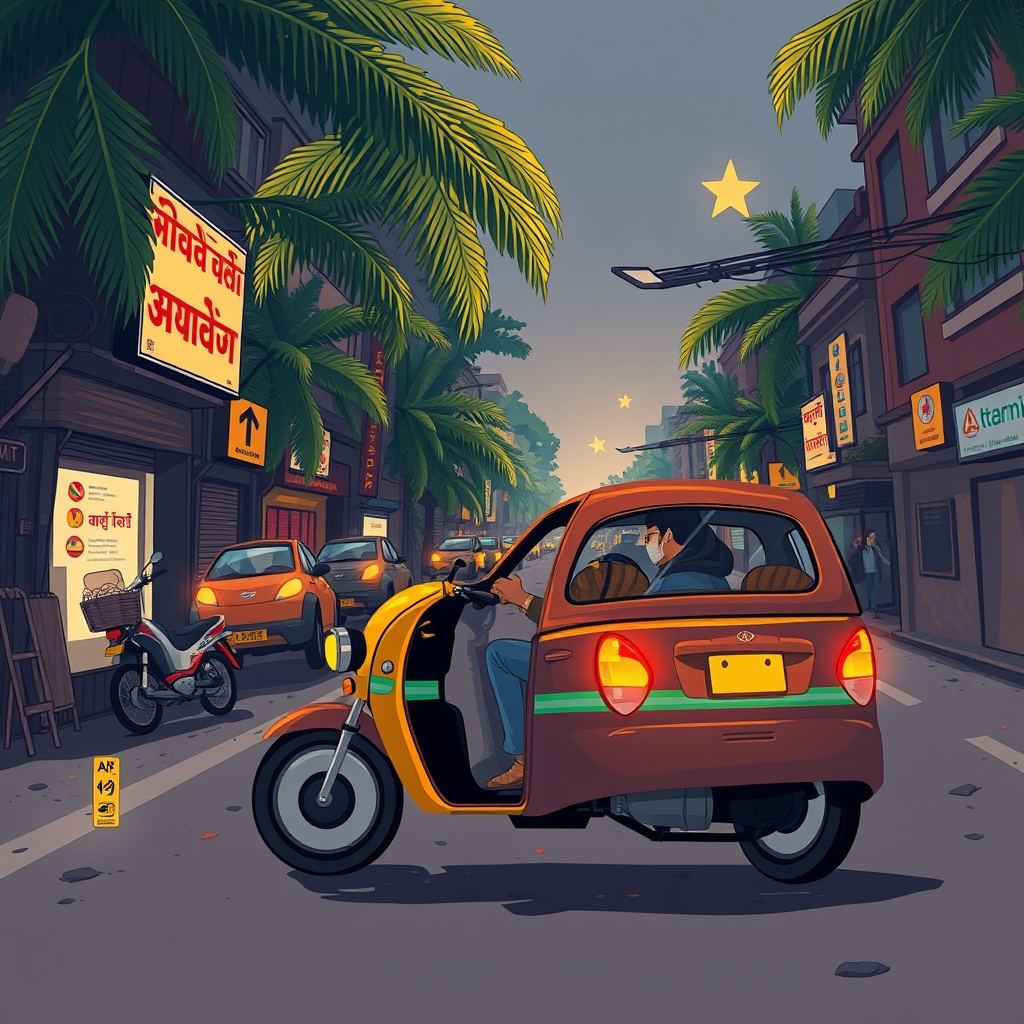
An American traveler in Bengaluru once asked an auto driver for a ride to Chickpet. The driver said no. That should have been the end of it—a routine refusal in a city where thousands of similar exchanges happen every hour. Instead of turning away or driving off, the two men stood there and talked. The traveler later shared the moment online, and it spread fast. People did not hit share because of outrage or spectacle. They shared it because the interaction felt rare, even though it should not be.
The episode offers a counter-narrative to the usual stories that emerge from Indian metros. Bengaluru generates plenty of headlines about traffic jams, metro delays, flooded underpasses, and the general stress of moving thirteen million people through insufficient roads. Those stories are real. But so is this one. A visitor and a local, separated by language and circumstance, finding a few minutes of genuine warmth on the pavement.
The Geography of a Refusal
Chickpet is not some suburban mall with wide driveways and valet parking. It is old Bengaluru—dense, commercial, and historically significant. The area is packed with wholesale cloth merchants, jewelry shops, and narrow lanes that have barely widened in decades. For an auto driver, agreeing to enter Chickpet during business hours often means sacrificing twenty minutes to move two hundred meters. Many refuse the fare simply because the destination is a time trap. The refusal itself is common.
What was uncommon was the manner. The driver did not wave his hand dismissively or pretend not to hear. He stopped. He explained, perhaps gestured toward the congestion ahead, and then stayed for the conversation. That pause is the entire story. In a gig economy where every minute unspent carrying a passenger is a minute losing money, choosing to chat with someone you have already declined to serve is an act of small but clear generosity. The American left without a ride but with a memory that outlasted the trip.
Why This Moment Traveled So Far
Social media feeds surrounding Bengaluru are often predictable. A video of a flooded street. A rant about an auto driver demanding triple the meter rate. A joke about the Silk Board junction that lands every time it rains. The algorithm rewards friction. So when a clip or post showed the opposite—an interaction built on patience rather than argument—it stood out immediately.
Viewers recognized something personal in the exchange. Many Bengaluru residents commented to say this is the side of their city that outsiders rarely see. Not the polished marketing of "India's Silicon Valley," but the ordinary civility of its streets. The viral reach did not depend on celebrity names or manufactured drama. It relied on something simpler: the shared recognition that a person can say no to your request and still say yes to your presence.
What Actually Happened There
The story is light on specifics, and that is part of its power. We do not know the exact words. We do not know how long they stood there. But we know enough to understand three things that rarely get discussed in travel blogs or city planning reports.
Small talk serves a purpose. Cities are held together by more than fiber optic cables and flyovers. They survive on micro-interactions. A nod to a neighbor. A brief complaint about heat with a shopkeeper. A two-minute conversation with a driver who cannot take your fare. These moments build what sociologists sometimes call "bridging capital"—the loose ties that make a place feel navigable. The traveler and the driver probably did not exchange life stories. They did not need to. The value was in the attempt to connect across obvious differences.
Kindness works outside the transaction. Travel reduces locals to providers and visitors to customers. Every request becomes a potential deal. When the driver refused the ride, the economic relationship ended. There was no service to render, no tip to earn, no review to chase. His decision to remain courteous afterward was not professional etiquette. It was personal choice. That distinction matters. In visit-after-visit itineraries where every human encounter is rated and reviewed, an interaction with zero commercial value can feel startlingly honest.
เอกลักษณ์ท้องถิ่นมักซ่อนตัวอยู่ต่อหน้าต่อตา ผู้มาเยือนมักมาพร้อมกับภาพจำในหัว บางคนคาดหวังความวุ่นวายไม่หยุดหย่อน บางคนคาดหวังสีสันแบบบอลลีวูด แต่ความเป็นจริงมักจะเงียบสงบกว่านั้น คนขับรถตุ๊กตุ๊กในเรื่องนี้ไม่ได้แสดงเพื่อกล้อง เขาเพียงแค่เป็นตัวของตัวเองในเมืองที่ผู้คนยังคงปฏิบัติต่อคนแปลกหน้าเหมือนเพื่อนบ้านชั่วคราว มากกว่าจะเป็นเพียงเสียงรบกวนในพื้นหลัง ความจริงใจแบบนี้นี่เองที่เหนือความคาดหมาย
สัมผัสเมืองผ่านระดับท้องถนน
ภาพลักษณ์ระดับโลกของ Bengaluru ผูกติดอยู่กับอาคารสำนักงานกระจก พิตช์เด็คของสตาร์ทอัพ และความย้อนแย้งที่น่าสนใจของศูนย์นวัตกรรมติดแอร์ที่สร้างทับลงบนรากเหง้าของเมืองแห่งสวน การพูดถึงเรื่องโครงสร้างพื้นฐานครอบงำสื่อท้องถิ่น ซึ่งก็สมควรแล้ว เพราะเมืองกำลังแบกรับภาระจากการเติบโต แต่โครงสร้างพื้นฐานเป็นเพียงครึ่งหนึ่งของเรื่องราว อีกครึ่งหนึ่งคือวิธีที่ผู้คนปฏิบัติต่อกันภายในโครงสร้างเหล่านั้น
ผู้มาเยือนมหานครของอินเดียทุกคนจะเรียนรู้ได้อย่างรวดเร็วว่า การต่อรองราคาตุ๊กตุ๊กคือบททดสอบสำคัญ คุณต้องถามคนขับสิบคนก่อนจะมีคนหนึ่งยอมตกลง คุณต่อรอง คุณเดินหนี คุณลองใหม่ มันอาจจะน่าเหนื่อยหน่าย แต่มันก็มีความใกล้ชิด คุณได้เห็นใบหน้า ได้ยินสำเนียง ได้อ่านอารมณ์ ส่วนใหญ่แล้ว ระบบนี้ดำเนินไปด้วยประสิทธิภาพที่ตรงไปตรงมา แต่ในบางครั้ง มันก็ช่วยเตือนให้รู้ว่าคนหลังแฮนด์รถนั้นมีชีวิตจิตใจ มีความคิดเห็น มีความอดทน มีความอยากรู้อยากเห็น และมีอารมณ์ขัน
โมเมนต์ที่เป็นไวรัลนี้ได้เน้นย้ำถึงสิ่งนั้นอย่างชัดเจน มันไม่ได้ทำให้งานนี้ดูสวยหรูเกินจริง การขับรถตุ๊กตุ๊กท่ามกลางการจราจรใน Bengaluru คือการทำงานหนัก แต่มันได้นำเสนอสิ่งที่จับต้องได้มากกว่า นั่นคือ แม้จะอยู่ท่ามกลางความเหนื่อยยาก ผู้คนก็ยังเลือกได้ว่าจะปฏิบัติต่อกันอย่างไร
สิ่งที่ได้รับจริง ๆ
คุณไม่จำเป็นต้องมีทัวร์วัฒนธรรมแบบมีไกด์หรือเวิร์กชอปสามชั่วโมงเพื่อที่จะเข้าใจสถานที่แห่งหนึ่ง บางครั้งการปฏิเสธเพียงครั้งเดียวบนถนนที่วุ่นวายก็สอนคุณได้มากกว่าโบรชัวร์ นักเดินทางชาวอเมริกันไม่ได้บันทึกเพียงแค่การทำธุรกรรม แต่เขาบันทึกข้อยกเว้นที่ควรจะเป็นกฎเกณฑ์ นั่นคือการที่คนสองคนรับรู้ถึงตัวตนของกันและกัน แม้ในยามที่ไม่มีอะไรจะขายก็ตาม
สำหรับผู้อยู่อาศัย เรื่องราวนี้คือการสะกิดใจ โมเมนต์ที่เป็นไวรัลมักจะจางหายไปภายในสี่สิบแปดชั่วโมง แต่พฤติกรรมที่ผู้คนเฉลิมฉลองนั้นสามารถทำซ้ำได้ไม่รู้จบ ครั้งต่อไปที่คุณปฏิเสธคำขอ วิธีที่คุณปฏิเสธนั้นสำคัญ สำหรับผู้มาเยือน บทเรียนคือการเปิดใจรับการพบปะที่ไม่ได้เตรียมการไว้ ความทรงจำในการเดินทางที่ดีที่สุดมักไม่ได้เกิดขึ้นภายในโบราณสถานที่มีค่าเข้าชม แต่มันเกิดขึ้นบนทางเท้า ที่ป้ายรถเมล์ และบนที่นั่งผู้โดยสารที่ไม่ได้เกิดขึ้นจริง
อินเทอร์เน็ตได้พบเรื่องราวเรียบง่ายเกี่ยวกับ Bengaluru และกดแชร์ การกระทำนั้นเพียงอย่างเดียวบ่งบอกว่าผู้คนกำลังโหยหาหลักฐานว่าเมืองต่าง ๆ ยังคงมีความเป็นมนุษย์อยู่ที่แก่นแท้ ท่ามกลางเสียงอึกทึกและควันเสีย ความอบอุ่นยังคงอยู่ที่นั่น คุณแค่ต้องหยุดเพื่อสัมผัสมัน
Source: News18
Join our learning community: GyaanSetu Bharat on Telegram