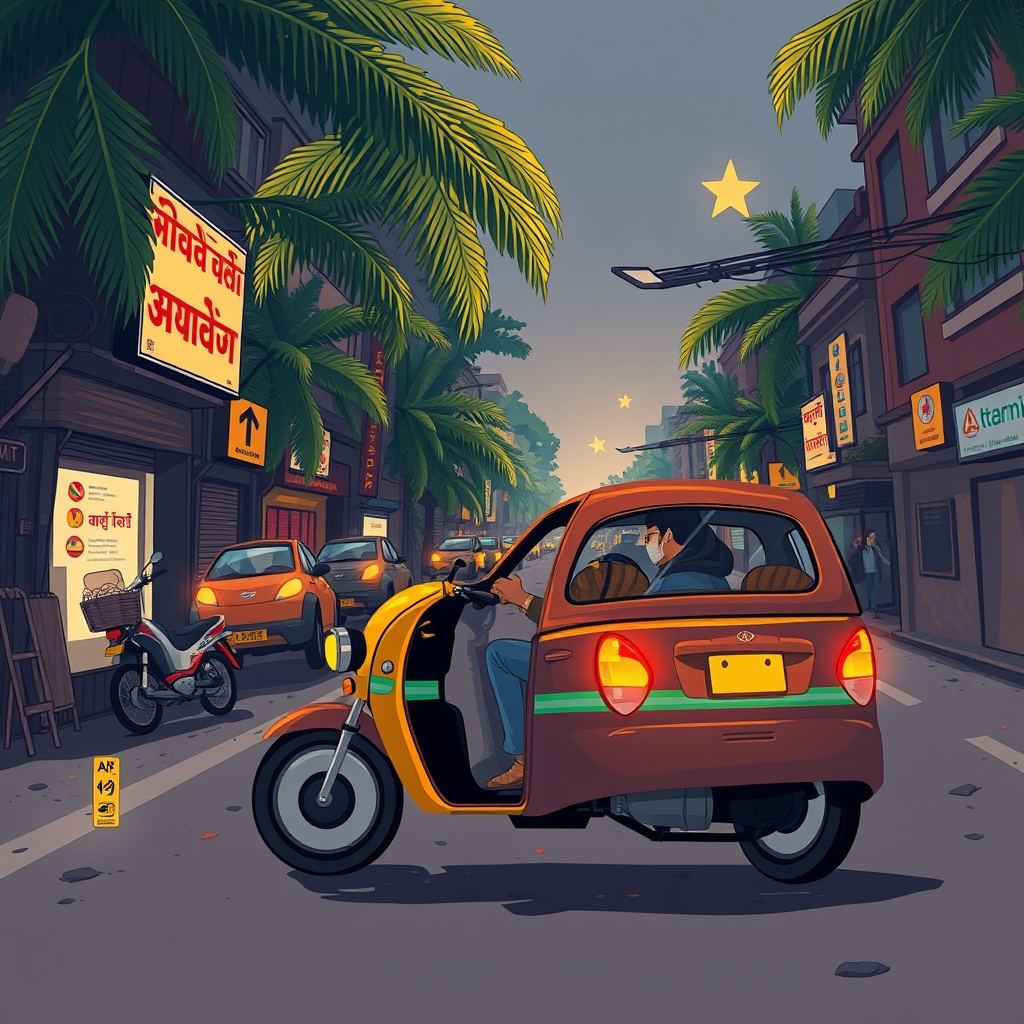
An American traveler in Bengaluru once asked an auto driver for a ride to Chickpet. The driver said no. That should have been the end of it—a routine refusal in a city where thousands of similar exchanges happen every hour. Instead of turning away or driving off, the two men stood there and talked. The traveler later shared the moment online, and it spread fast. People did not hit share because of outrage or spectacle. They shared it because the interaction felt rare, even though it should not be.
The episode offers a counter-narrative to the usual stories that emerge from Indian metros. Bengaluru generates plenty of headlines about traffic jams, metro delays, flooded underpasses, and the general stress of moving thirteen million people through insufficient roads. Those stories are real. But so is this one. A visitor and a local, separated by language and circumstance, finding a few minutes of genuine warmth on the pavement.
The Geography of a Refusal
Chickpet is not some suburban mall with wide driveways and valet parking. It is old Bengaluru—dense, commercial, and historically significant. The area is packed with wholesale cloth merchants, jewelry shops, and narrow lanes that have barely widened in decades. For an auto driver, agreeing to enter Chickpet during business hours often means sacrificing twenty minutes to move two hundred meters. Many refuse the fare simply because the destination is a time trap. The refusal itself is common.
What was uncommon was the manner. The driver did not wave his hand dismissively or pretend not to hear. He stopped. He explained, perhaps gestured toward the congestion ahead, and then stayed for the conversation. That pause is the entire story. In a gig economy where every minute unspent carrying a passenger is a minute losing money, choosing to chat with someone you have already declined to serve is an act of small but clear generosity. The American left without a ride but with a memory that outlasted the trip.
Why This Moment Traveled So Far
Social media feeds surrounding Bengaluru are often predictable. A video of a flooded street. A rant about an auto driver demanding triple the meter rate. A joke about the Silk Board junction that lands every time it rains. The algorithm rewards friction. So when a clip or post showed the opposite—an interaction built on patience rather than argument—it stood out immediately.
Viewers recognized something personal in the exchange. Many Bengaluru residents commented to say this is the side of their city that outsiders rarely see. Not the polished marketing of "India's Silicon Valley," but the ordinary civility of its streets. The viral reach did not depend on celebrity names or manufactured drama. It relied on something simpler: the shared recognition that a person can say no to your request and still say yes to your presence.
What Actually Happened There
The story is light on specifics, and that is part of its power. We do not know the exact words. We do not know how long they stood there. But we know enough to understand three things that rarely get discussed in travel blogs or city planning reports.
Small talk serves a purpose. Cities are held together by more than fiber optic cables and flyovers. They survive on micro-interactions. A nod to a neighbor. A brief complaint about heat with a shopkeeper. A two-minute conversation with a driver who cannot take your fare. These moments build what sociologists sometimes call "bridging capital"—the loose ties that make a place feel navigable. The traveler and the driver probably did not exchange life stories. They did not need to. The value was in the attempt to connect across obvious differences.
Kindness works outside the transaction. Travel reduces locals to providers and visitors to customers. Every request becomes a potential deal. When the driver refused the ride, the economic relationship ended. There was no service to render, no tip to earn, no review to chase. His decision to remain courteous afterward was not professional etiquette. It was personal choice. That distinction matters. In visit-after-visit itineraries where every human encounter is rated and reviewed, an interaction with zero commercial value can feel startlingly honest.
مقامی رنگ اکثر سامنے ہوتے ہوئے بھی نظر نہیں آتا۔ سیاح اپنے ذہن میں بنے ہوئے تصورات کے ساتھ آتے ہیں۔ کچھ مسلسل پریشانی کی توقع رکھتے ہیں؛ جبکہ کچھ بالی ووڈ کی رنگینی کی توقع کرتے ہیں۔ حقیقت عام طور پر اس سے کہیں زیادہ پرسکون ہوتی ہے۔ اس کہانی میں آٹو ڈرائیور کسی کیمرے کے لیے پرفارم نہیں کر رہا تھا۔ وہ محض ایک ایسے شہر میں اپنی اصل شخصیت میں تھا جہاں لوگ اب بھی اجنبیوں کو پس منظر کے شور کے بجائے عارضی پڑوسیوں کی طرح سمجھتے ہیں۔ یہی اصلیت تھی جس نے توقعات سے بڑھ کر اثر چھوڑا۔
گلی کوچوں کی سطح پر شہر کو سمجھنا
بنگلور کا عالمی تشخص شیشے کے دفتروں والے پارکس، اسٹارٹ اپ پچ ڈیکس، اور باغیچے والے شہر کی جڑوں پر تعمیر شدہ ایئر کنڈیشنڈ جدت کے مراکز کے دلچسپ تضاد میں پنہاں ہے۔ بنیادی ڈھانچے کے حوالے سے بحث مقامی میڈیا پر حاوی ہے—اور یہ بجا بھی ہے، کیونکہ شہر اپنی ترقی کے بوجھ تلے دبا ہوا ہے۔ لیکن بنیادی ڈھانچہ تو کہانی کا صرف آدھا حصہ ہے۔ دوسرا آدھا حصہ یہ ہے کہ لوگ اس کے اندر کیسا برتاؤ کرتے ہیں۔
ہر وہ شخص جو کسی بھارتی میٹروپولیٹن شہر کا دورہ کرتا ہے، وہ جلد ہی یہ سیکھ جاتا ہے کہ آٹو کے کرایوں پر بحث و تکرار ایک لازمی تجربہ ہے۔ آپ ایک ڈرائیور کے راضی ہونے سے پہلے دس ڈرائیوروں سے پوچھتے ہیں۔ آپ بھاؤ تاؤ کرتے ہیں، آپ واپس مڑ جاتے ہیں، آپ دوبارہ کوشش کرتے ہیں۔ یہ تھکا دینے والا ہو سکتا ہے۔ لیکن یہ ایک قریبی تجربہ بھی ہے۔ آپ چہرے دیکھتے ہیں، لہجے سنتے ہیں، اور مزاج کو سمجھتے ہیں۔ زیادہ تر وقت، یہ نظام بے رحم کارکردگی کے ذریعے چلتا ہے۔ کبھی کبھار، یہ اس بات کی یاد دہانی کراتا ہے کہ ہینڈل پکڑنے والے شخص کی اپنی ایک بھرپور اندرونی زندگی ہے—اس کی اپنی آراء، صبر، تجسس اور حسِ مزاح ہے۔
اس وائرل ہونے والے لمحے نے بالکل اسی بات کو اجاگر کیا۔ اس نے اس کام کو رومانوی بنا کر پیش نہیں کیا۔ بنگلور کے ٹریفک میں آٹو چلانا سخت محنت کا کام ہے۔ اس نے ایک زیادہ حقیقت پسندانہ بات کہی: کہ اس مشقت کے دوران بھی، لوگ یہ خود چنتے ہیں کہ وہ ایک دوسرے کے ساتھ کیسا سلوک کریں۔
ایک حقیقی سبق
کسی جگہ کو سمجھنے کے لیے آپ کو کسی گائیڈڈ کلچرل ٹور یا تین گھنٹے کی ورکشاپ کی ضرورت نہیں ہے۔ کبھی کبھی مصروف سڑک پر ایک سادہ سا انکار آپ کو کسی بروشر سے زیادہ سکھا دیتا ہے۔ امریکی سیاح نے محض ایک لین دین کو ریکارڈ نہیں کیا تھا۔ اس نے ایک ایسے استثنا کو ریکارڈ کیا جو دراصل ایک اصول ہونا چاہیے—دو لوگوں کا ایک دوسرے کو تسلیم کرنا، چاہے وہاں کچھ بھی فروخت کے لیے نہ ہو۔
مقامی رہائشیوں کے لیے، یہ کہانی ایک اشارہ ہے۔ وائرل ہونے والے لمحات 48 گھنٹوں میں دم توڑ دیتے ہیں، لیکن وہ رویہ جس کی وہ تعریف کرتے ہیں، اسے لا محدود طور پر دہرایا جا سکتا ہے۔ اگلی بار جب آپ کسی درخواست کو مسترد کریں، تو آپ کا مسترد کرنے کا طریقہ اہمیت رکھتا ہے۔ سیاحوں کے لیے سبق یہ ہے کہ وہ غیر منصوبہ بند ملاقاتوں کے لیے اپنے ذہن کھلے رکھیں۔ بہترین سفر کی یادیں شاذ و نادر ہی ٹکٹ والے یادگار مقامات کے اندر بنتی ہیں۔ وہ فٹ پاتھوں پر، بس اسٹاپس پر، اور اس مسافر کی نشست پر بنتی ہیں جو کبھی ملی ہی نہیں۔
انٹرنیٹ کو بنگلور کے بارے میں ایک سادہ سی کہانی ملی اور اس نے اسے شیئر کر دیا۔ یہ عمل بذات خود اس بات کی نشاندہی کرتا ہے کہ لوگ اس ثبوت کے پیاسے ہیں کہ شہر اپنی بنیادوں میں انسانیت برقرار رکھتے ہیں۔ شور اور دھوئیں کے نیچے، وہ اپنائیت اب بھی موجود ہے۔ آپ کو بس اس کے لیے رکنا ہے۔
ماخذ: News18
ہماری سیکھنے والی کمیونٹی میں شامل ہوں: GyaanSetu Bharat on Telegram