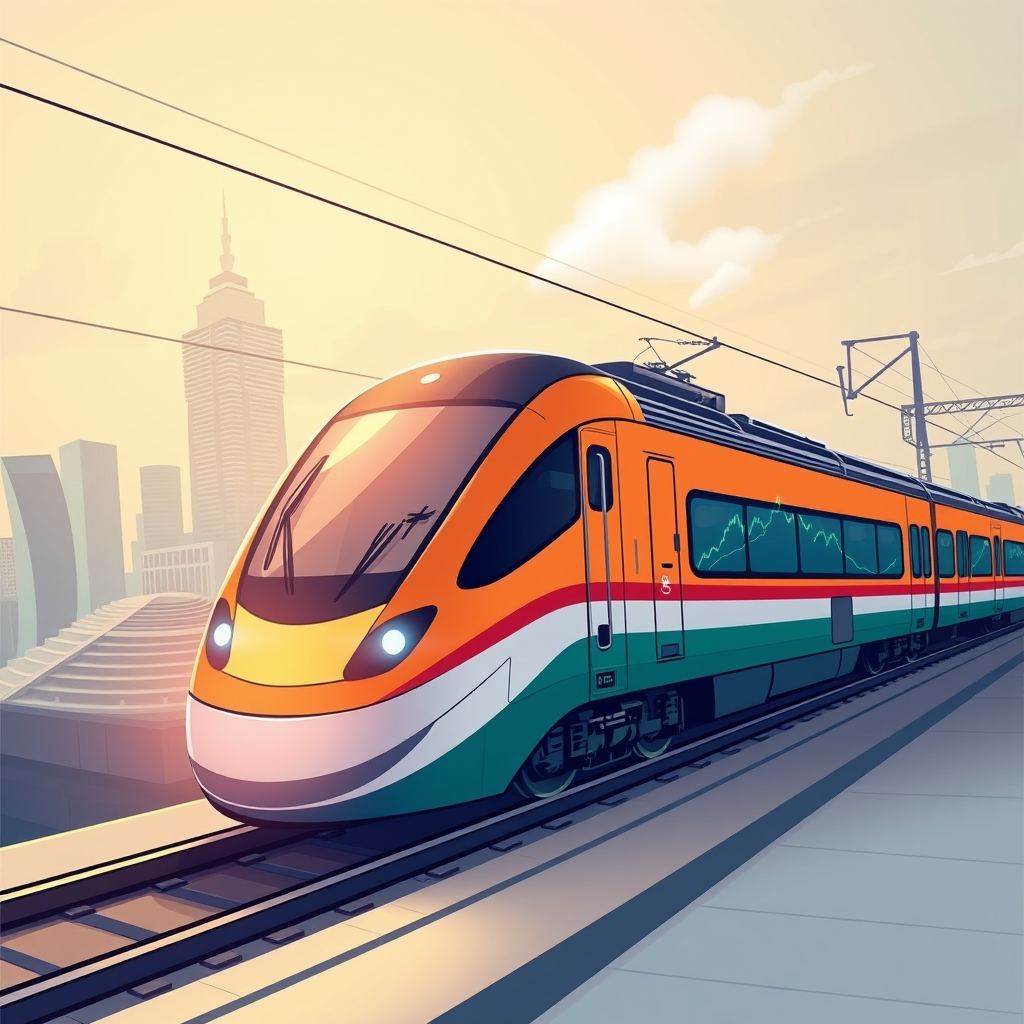
India’s prime minister, Narendra Modi, flagged off a 10-coach, 2,600-seat hydrogen-fuel-cell passenger train on the Jind-Sonipat line in Haryana. It is the world’s largest hydrogen-powered train set to enter service. The launch matters because it pairs a high-capacity rail vehicle with a full-scale hydrogen production and refuelling hub, showing a possible route away from diesel and overhead electric power for Indian railways.
Why the train is different
Most hydrogen trains elsewhere run only two to four coaches on short regional routes. India’s version adds eight passenger coaches and two dedicated hydrogen-driving power cars (DPCs). Each DPC houses a proton exchange membrane (PEM) fuel cell rated at 1,200 kW (about 1,600 hp) and a lithium-iron-phosphate (LFP) battery pack that smooths power delivery. On the 89 km stretch between Jind Junction and Sonipat, the train will initially run at up to 75 km h⁻¹, though the design allows speeds of 110 km h⁻¹.
The chemistry that moves the train
A PEM fuel cell mixes high-pressure hydrogen with oxygen from the air. The reaction—hydrogen + oxygen → electricity + water vapour—produces only heat and water vapour, eliminating smoke and direct carbon emissions. The electricity powers the traction motors that turn the wheels. Because the system does not rely on external overhead lines, it can operate on routes that lack electrification.
Building a complete hydrogen ecosystem
The train’s launch ties to a purpose-built hydrogen hub at Jind. The hub makes hydrogen by electrolysis, splitting water into hydrogen and oxygen using electricity. It stores nearly 3,000 kg of hydrogen at 500 bar and refuels the train at 350 bar through two independent dispensers, allowing both power cars to be topped up simultaneously and keeping turnaround times short. The facility has received approval from the Petroleum and Explosives Safety Organisation (PESO).
Safety safeguards
Hydrogen is highly flammable, so Indian Railways adopted a “defence in depth” approach. The train and the Jind hub carry leak detectors, flame sensors, heat detectors and continuous ventilation that disperses any escaped gas. An independent safety assessment by TÜV SÜD of Germany confirmed compliance with ISO 19880 (hydrogen fueling stations) and NFPA-2 (hydrogen safety). If a leak is detected, the system automatically isolates and shuts off the hydrogen supply without manual intervention.
What’s at stake
- Environmental impact – By removing diesel and reducing reliance on grid electricity, the train cuts direct CO₂ output on the route. If the model scales, it could lower the rail sector’s carbon footprint across the country.
- Infrastructure shift – Building hydrogen production, storage and refuelling sites requires capital investment and coordination with power utilities. Success could spur similar hubs along other non-electrified corridors.
- Economic calculus – Hydrogen production by electrolysis still costs more than conventional fuels in many markets. The project’s long-term viability will hinge on lower electricity costs, scaling of electrolyser technology, or policy support such as subsidies or carbon pricing.
- Operational limits – The initial speed of 75 km h⁻¹ is modest compared with faster diesel or electric services. If passengers perceive the service as slower, demand may lag behind capacity.
The other side of the story
Critics note that hydrogen’s low energy density per unit volume forces heavy storage tanks, adding weight and reducing payload. Safety concerns linger despite the layered safeguards; a high-profile incident could stall public acceptance. The current network of hydrogen refuelling points is tiny, confining the train to a single corridor until more hubs are built. Until the cost of electro-produced hydrogen falls, the economics may stay unfavorable compared with expanding electric traction.
What to watch next
- ஹரியானாவிற்கு அப்பால் விரிவாக்கம் – இந்தத் திட்டத்தை மின்சாரம் வசதி இல்லாத பிற வழித்தடங்களுக்கும் விரிவாக்கம் செய்ய இந்திய ரயில்வே குறிப்பால் உணர்த்தியுள்ளது, ஆனால் அதற்கான கால அட்டவணை இன்னும் தெளிவாக இல்லை.
- ஹைட்ரஜன் விலை மாற்றங்கள் – புதுப்பிக்கத்தக்க மின்சார விலை அல்லது அரசாங்க ஊக்கத்தொகையில் ஏற்படும் மாற்றங்கள், இந்த சேவையின் இயக்கச் செலவை நேரடியாகப் பாதிக்கும்.
- செயல்திறன் தரவுகள் – நம்பகத்தன்மை, ஒரு பயணி-கிலோமீட்டருக்கான எரிசக்தி நுகர்வு மற்றும் பராமரிப்புத் தேவைகள் குறித்த நிஜ உலகத் தரவுகள், இந்தத் தொழில்நுட்பம் டீசல் அல்லது மின்சார மாற்றுகளுடன் போட்டியிட முடியுமா என்பதைத் தீர்மானிக்கும்.
- ஒழுங்குமுறை மாற்றங்கள் – பாதுகாப்புத் தரநிலைகளில் ஏற்படும் மாற்றங்கள் அல்லது புதிய சான்றிதழ்கள், கூடுதல் ஹைட்ரஜன் மையங்களுக்கான பாதையை எளிதாக்கலாம் அல்லது கூடுதல் இணக்கச் செலவுகளை விதிக்கலாம்.
முக்கியக் கருத்து
இந்தியாவின் 2,600 இருக்கைகளைக் கொண்ட ஹைட்ரஜன்-ஃபியூயல்-செல் ரயில், ஒரு பிரத்யேக ஹைட்ரஜன் விநியோகச் சங்கிலியுடன் இணைந்து, அதிக திறன் கொண்ட மற்றும் குறைந்த உமிழ்வு கொண்ட ஒரு ரயில் வாகனத்தை இயக்க முடியும் என்பதை நிரூபிக்கிறது. இந்த மாதிரி ஒரு பசுமையான தேசிய நெட்வொர்க்கிற்கான முன்மாதிரியாக மாறுவது என்பது, பாதுகாப்பு குறித்த பார்வை, செலவுப் போக்குகள் மற்றும் இந்த உள்கட்டமைப்பை பெரிய அளவில் மீண்டும் உருவாக்கும் திறன் ஆகியவற்றைப் பொறுத்தது.