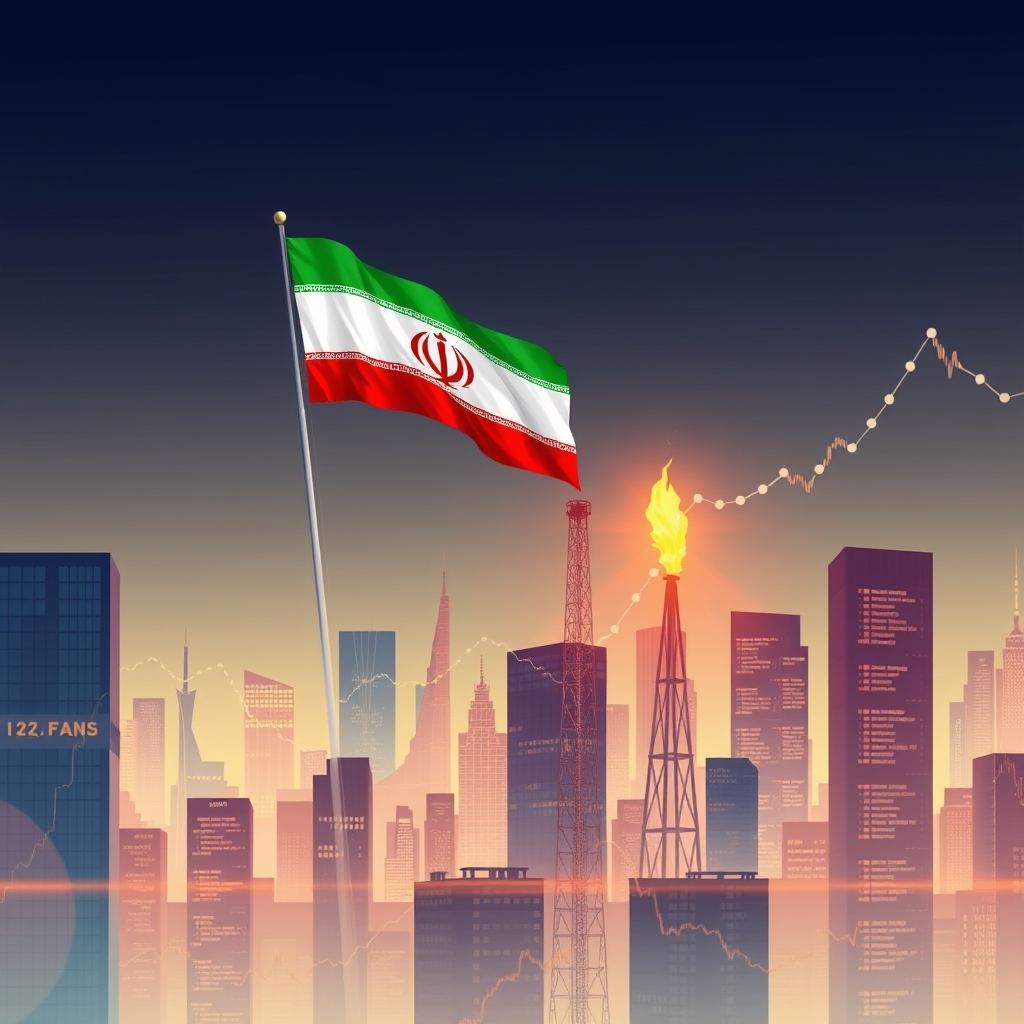
Iran Rushes to Sell Oil to India Following Trump Sanctions Waiver
With the Donald Trump administration announcing a 60-day waiver for Iranian petroleum products, Tehran is aggressively attempting to diversify its buyer base. After years of being forced to rely almost exclusively on China, Iran is now reaching out to major Asian importers, including India, to offload a massive stockpile of oil currently floating at sea.
A Massive Floating Stockpile Needs a Destination
The urgency in Tehran is driven by sheer volume. Data from Vortexa and Bloomberg indicates that as of June 22, approximately 68 million barrels of crude and condensate were floating at sea. Crucially, more than 80% of this volume lacks a confirmed destination.
The National Iranian Oil Co. and various intermediaries have begun proactive outreach to refiners in India, Japan, and South Korea. Beyond immediate cargoes, Iran is even exploring long-term supply arrangements to accommodate its plans for increased production, hoping to move away from the narrow dependency on Chinese markets.
The Indian Dilemma: Proximity vs. Policy Risk
India occupies a unique position in this geopolitical shift. While Iran's proximity offers a logistical advantage—with certain cargoes able to reach Indian refineries in just two to three days—the decision to buy is fraught with complexity.
Indian refiners traditionally avoid crude subject to sanctions to prevent secondary repercussions. Currently, the procurement strategies of major Indian players remain focused on Russian and Middle Eastern grades, alongside growing interest in Venezuelan crude. For an Indian refiner to pivot to Iranian oil, three decisive factors must align:
- Longevity of relief: The current waiver is only for 60 days, creating a very narrow window.
- Pricing: Discounts must be substantial enough to offset the inherent risks.
- Infrastructure: Reliable payment mechanisms, insurance coverage, and shipping logistics remain major hurdles due to EU and UK restrictions.
Why Asian and Western Buyers Are Hesitating
Despite the outreach, market participants are showing little urgency to return to Iranian crude. Most Asian refiners have already secured their supply chains, with refinery planning cycles typically running 2–3 months in advance. This means many have already locked in imports through at least the first half of August.
Furthermore, the uncertainty surrounding US policy makes long-term commitment nearly impossible. As noted by industry analysts, the central issue isn't just whether the oil can be bought today, but whether the trade will remain legal tomorrow.
Western refiners face even steeper challenges. The transit time for crude from Iran to Western destinations can extend to 45 days, which is longer than the current 60-day waiver period. This makes it logistically impossible for many Western buyers to complete a full transaction cycle before the reprieve expires.
Key Takeaways
- Urgent Inventory Clearance: Iran is racing to sell roughly 54 million barrels of unallocated crude and condensate currently floating at sea.
- Limited Window for India: While proximity allows for quick delivery, the 60-day waiver and established procurement cycles for Russian and Middle Eastern oil limit India's appetite.
- China's Dominance Remains: Due to logistics, transit times, and the ability to absorb large volumes, China is expected to remain the primary beneficiary of Iranian oil exports.