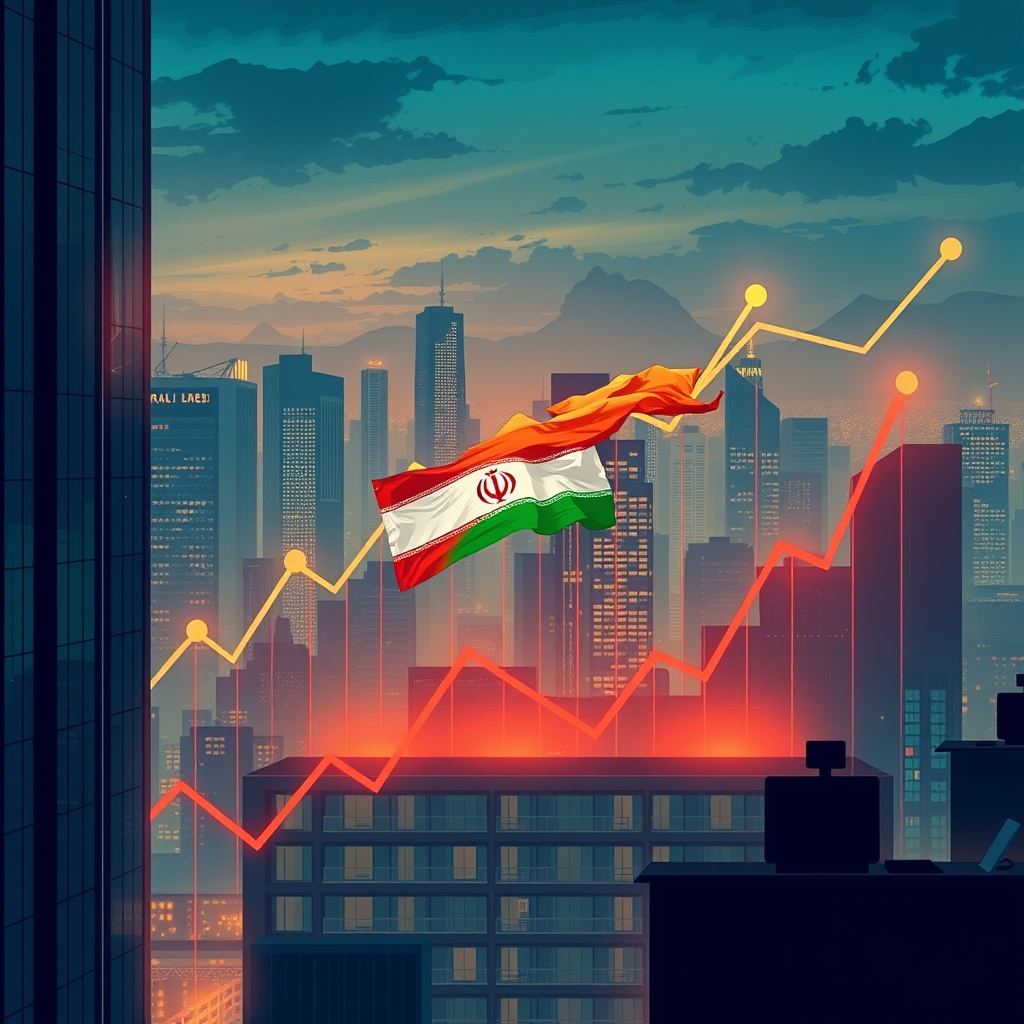
Iran Rushes to Sell Oil to India Following Trump Sanctions Waiver
The sudden announcement of a 60-day waiver for Iranian petroleum products by the Donald Trump administration has triggered a frantic push by Tehran to diversify its buyer base. With massive stockpiles of crude currently floating at sea, Iran is actively reaching out to major Asian importers, including India, to liquidate its inventory.
The Urgency of Floating Inventories
Tehran is facing a logistical challenge: a significant volume of oil is currently stranded at sea. According to data from Vortexa and Bloomberg, approximately 68 million barrels of crude and condensate were floating on tankers as of June 22. Alarmingly, more than 80% of this volume lacks a confirmed destination, making it highly available for immediate sale.
The National Iranian Oil Co. has reportedly begun contacting refiners in India, Japan, and South Korea to secure buyers for these cargoes. Beyond immediate sales, Iran is also exploring long-term supply arrangements to bolster its production capacity, aiming to move away from its heavy reliance on China, which has been its primary customer during years of strict sanctions.
Will Indian Refiners Pivot to Iranian Crude?
While India's geographic proximity to Iran offers a logistical advantage—with some cargoes able to reach Indian refineries in just two to three days—the appetite among Indian refiners remains cautious. There are three critical hurdles preventing a massive return to Iranian oil:
- The 60-Day Window: The current waiver is temporary. Most Asian refiners operate on 2–3 month planning cycles. Since many have already secured supplies through the first half of August, the window to utilize this waiver is extremely narrow.
- Sanctions Uncertainty: Indian refiners traditionally avoid any crude that could trigger US sanctions. The rapid shifts in US policy create a high-risk environment where buyers are hesitant to commit to large volumes without long-term certainty.
- Logistical and Financial Barriers: Even with a waiver, complications regarding insurance, shipping arrangements, and payment mechanisms persist. The "dark fleet" used to transport sanctioned oil also faces resistance from many global ports.
China’s Dominance and Global Competition
Despite the outreach to India and other Asian nations, market analysts suggest that China remains the most likely beneficiary of this reprieve. While Asian refiners are currently focused on Russian, Middle Eastern, and Venezuelan grades, China’s established trade routes provide a more stable outlet.
Furthermore, Western refiners are unlikely to step in due to transit times. A complete supply-chain cycle for Western destinations can take 40–45 days, which exceeds the 60-day lifespan of the current waiver. Unless Iranian crude is offered at massive, "highly attractive" discounts, most major importers are expected to maintain their current procurement strategies to avoid geopolitical volatility.
Key Takeaways
- Massive Supply at Sea: Over 54 million barrels (80% of the 68 million barrels currently floating) of Iranian crude and condensate are currently uncommitted and looking for buyers.
- Limited Window for India: While proximity allows for fast delivery, the 60-day waiver is too short to disrupt the established 2–3 month planning cycles of Indian refiners.
- Risk vs. Reward: Indian refiners are prioritizing stability, leaning on Russian and Middle Eastern grades rather than risking the policy uncertainty associated with Iranian oil.