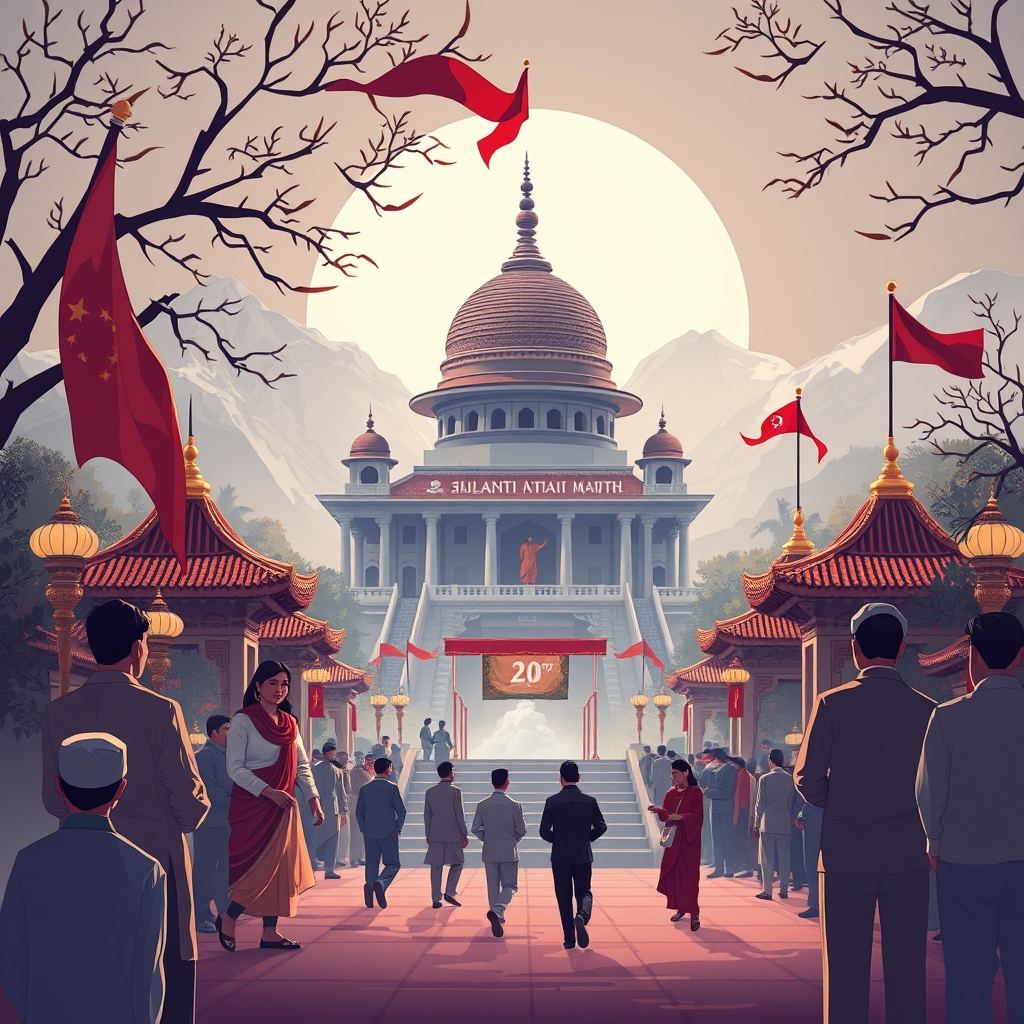
China Defends New Ethnic Unity Law Amid Global Criticism and Warnings
China is facing intense international backlash following the implementation of its new Law on Promoting Ethnic Unity and Progress, which came into force on July 1, 2026. While Beijing claims the law is designed to forge a shared national identity, critics from the United Nations and various global rights groups warn it marks a significant escalation in forced assimilation.
Beijing Rejects Claims of Rights Violations
On July 3, 2026, Chinese Foreign Ministry spokesperson Guo Jiakun issued a stern rebuttal to international critics, accusing certain nations of "maliciously smearing" China's ethnic policies. Guo argued that the international community is exploiting ethnic issues as a pretext to interfere in China's internal affairs.
The new legislation aims to strengthen the status of Mandarin as the official language and promote a unified national identity across all ethnic groups. However, Beijing maintains that its policies focus on internal security and economic development, consistently denying allegations of human rights abuses against minority populations.
Transnational Repression and Global Concerns
The controversy extends beyond China's borders due to a specific clause in the law that allows individuals to be held liable for violating the act even if they are located outside of China. This has sparked significant alarm among international observers.
Nine United States lawmakers have voiced stern opposition, claiming the law provides a legal veneer for "transnational repression"—the targeting of dissidents and ethnic minorities living abroad. Similarly, Taiwan has expressed concern that the law will expand threats and intimidation against its people and other nations. High-level international figures, including UN rights chief Volker Turk and representatives from Amnesty International, have called for the law to be repealed, warning that it institutionalizes policies of forced assimilation for groups such as Tibetans and Uyghurs.
The Push for Cultural Homogeneity
The core of the tension lies in the distinction between "national unity" and "cultural erasure." For Beijing, the Law on Promoting Ethnic Unity and Progress is a tool for stability and integration. For critics, it is a mechanism to degrade the unique rights and cultural identities of minority groups in favor of a standardized Han-centric identity.
The inclusion of extraterritorial jurisdiction is perhaps the most significant geopolitical development, as it signals China's intent to project its domestic legal framework onto the global stage, potentially impacting diaspora communities and political opponents in third-party countries.
What It Means for India
- Border Security and Internal Stability: As a neighbor with complex ethnic compositions and sensitive border regions, India must closely monitor how China uses "unity laws" to consolidate control. Any shift in Beijing’s approach to ethnic management could influence regional stability and cross-border dynamics.
- Countering Transnational Repression: The clause allowing for the prosecution of individuals outside China's borders serves as a warning for India. New Delhi must strengthen its legal and diplomatic safeguards to protect its own diaspora and political critics from being caught in the net of China's expanding extraterritorial legal claims.
- Diplomatic Positioning in Multilateral Forums: The tension between China and the UN/US over this law provides India with an opportunity to advocate for a rules-based international order. India can navigate this by emphasizing sovereignty while supporting universal human rights standards in international forums like the UN.