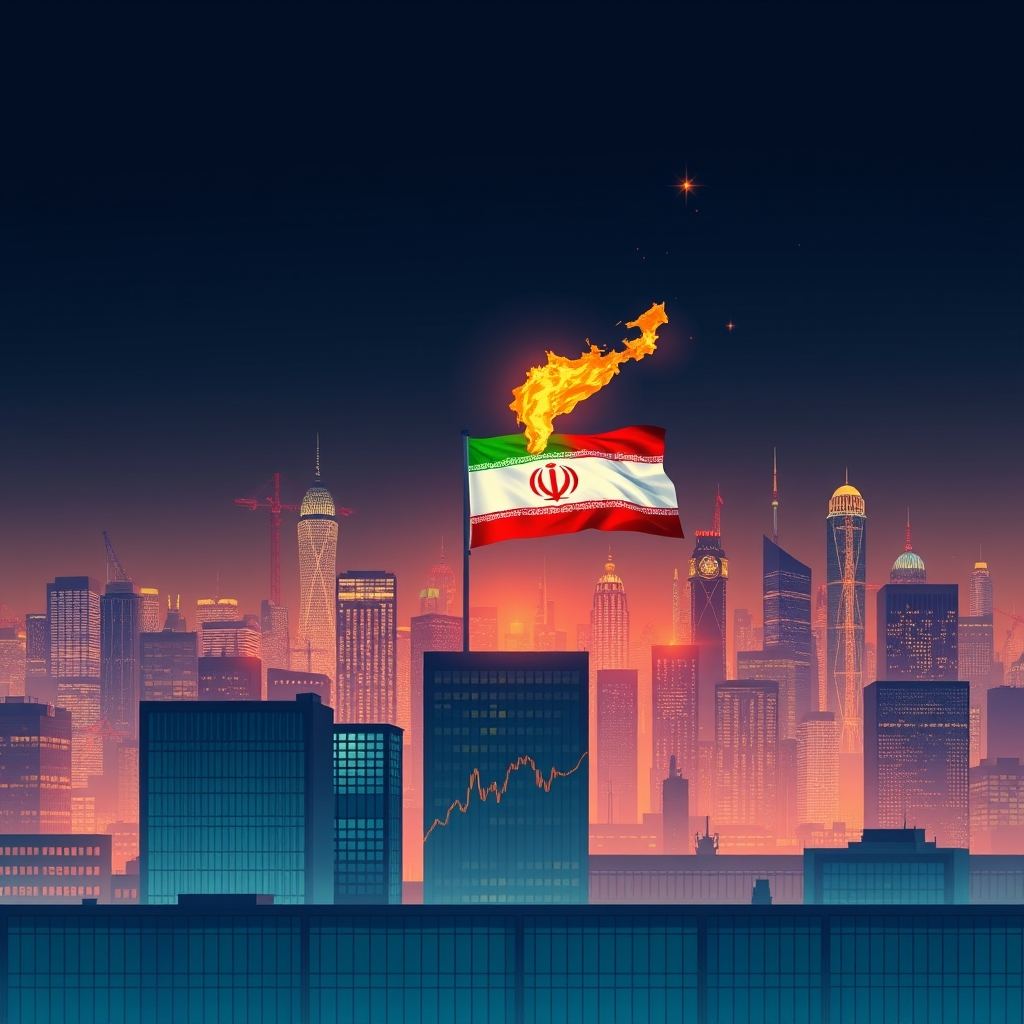
Iran Rushes to Sell Oil to India Following Trump Sanctions Waiver
Tehran is aggressively seeking to diversify its oil customer base and offload massive floating stockpiles following a 60-day sanctions waiver announced by the Donald Trump administration. With millions of barrels of crude currently at sea, Iran is eyeing major Asian markets, including India, to break its long-standing reliance on China.
The Race to Offload Floating Crude
The scale of the current inventory at sea is significant. Data from Vortexa and Bloomberg indicates that as of June 22, approximately 68 million barrels of crude and condensate were floating on tankers. Critically, more than 80% of this volume does not have a confirmed destination, presenting a massive opportunity for opportunistic buyers.
Intermediaries and officials from the National Iranian Oil Co. have reportedly been in discussions with refiners in India, Japan, and South Korea. Beyond immediate cargoes, Tehran is also exploring long-term supply arrangements to bolster its production capacity and reduce the growing stockpiles currently held on tankers.
Will Indian Refiners Pivot to Iranian Crude?
While India's geographical proximity to Iran is a logistical advantage—allowing for delivery within two to three days—Indian refiners remain cautious. Historically, Indian buyers have avoided crude subject to US sanctions to prevent secondary repercussions.
Market analysts suggest that while "opportunistic purchases" are possible if discounts are deep enough, a massive shift in procurement is unlikely for several reasons:
- Refinery Planning Cycles: Most Asian refiners plan their imports 2–3 months in advance. Currently, many have already secured supplies through the first half of August.
- Existing Supply Chains: Indian refiners are currently prioritizing Russian and Middle Eastern grades, with Venezuelan crude also gaining market share.
- Policy Volatility: The 60-day window is narrow, and the rapid changes in US sanctions policy make it difficult for refiners to commit to large volumes without long-term certainty.
Major Obstacles: Logistics, Finance, and Geopolitics
Even with a waiver in place, several structural hurdles complicate the return of Iranian oil to the global market. Firstly, the uncertainty regarding the Strait of Hormuz remains a primary concern for shipping stability. Secondly, the "dark fleet" vessels used to transport Iranian oil face resistance from many international ports.
Financial and logistical complexities also pose a barrier. To engage with Iran, refiners must navigate:
- Insurance and Financing: Sanctions from the EU and UK continue to complicate insurance arrangements and payment mechanisms.
- Transit Times: While India can receive oil quickly, Western destinations face transit times of 40–45 days, making it nearly impossible to complete the supply chain cycle within the 60-day waiver period.
As a result, while Tehran is making its pitch to the world, China remains the most likely primary beneficiary of this temporary reprieve.
Key Takeaways
- Massive Inventory at Sea: Over 54 million barrels of unallocated Iranian crude and condensate are currently floating at sea, prompting Tehran's urgent sales push.
- Limited Window for India: Although proximity allows for rapid delivery, Indian refiners are hesitant due to the short 60-day waiver and the need for long-term policy stability.
- China Holds the Advantage: Due to existing relationships and shorter supply-chain cycles, China is expected to remain the dominant buyer compared to more cautious Asian and Western markets.