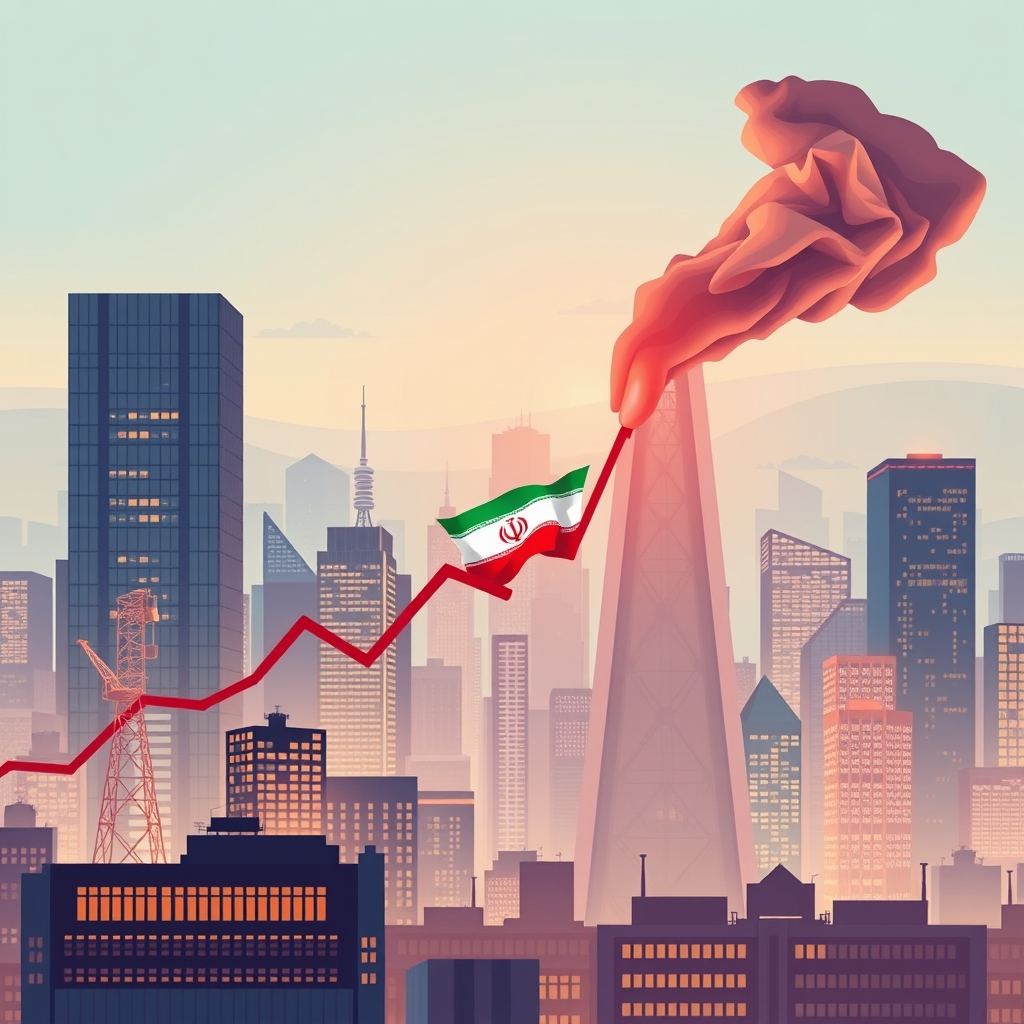
Iran Rushes to Sell Oil to India Following Trump Sanctions Waiver
The announcement of a 60-day waiver for Iranian petroleum products by the Donald Trump administration has triggered a frantic sales push from Tehran. Aiming to diversify its customer base beyond China, Iran is aggressively reaching out to major Asian importers, including India, to offload massive stockpiles of crude currently held at sea.
Massive Crude Stockpiles Await Buyers
Iran is facing a significant logistical challenge as a massive volume of oil sits in transit. According to data from Vortexa and Bloomberg, approximately 68 million barrels of crude and condensate were floating at sea as of June 22. Crucially, more than 80% of this volume does not have a confirmed destination, making it prime inventory for opportunistic buyers.
The National Iranian Oil Co. and various intermediaries have already initiated discussions with refiners in India, Japan, and South Korea. Tehran’s goal is twofold: to utilize the temporary reprieve to generate revenue and to reduce the growing stockpile of tankers currently navigating global waters.
The Indian Dilemma: Risk vs. Reward
While India’s geographical proximity to Iran offers a strategic advantage—allowing certain cargoes to reach Indian refineries within just two to three days—the appetite for Iranian crude remains cautious. Indian refiners traditionally avoid any oil that could trigger US sanctions, and the current 60-day window is seen as too narrow for long-term commitment.
Market experts, including Sumit Ritolia of Kpler, suggest that Indian procurement strategies are already locked in. Because refinery planning cycles typically operate two to three months in advance, most major Indian players have already secured their supplies through at least the first half of August. Currently, Indian refiners are focused on August and September requirements, leaning heavily on Russian and Middle Eastern grades, alongside increasing volumes of Venezuelan crude.
Barriers to Entry: Sanctions, Shipping, and Logistics
Several systemic hurdles prevent a massive return of Asian and Western buyers to the Iranian market:
- Policy Uncertainty: The rapid shifts in US sanctions policy make refiners hesitant to commit to large volumes. Without confidence that trade will remain permissible in the future, long-term contracts are unlikely.
- Logistical Complexity: For Western refiners, transit times from Iran can extend to 45 days. This makes it nearly impossible to complete the full supply-chain cycle within the 60-day waiver period.
- Financial and Insurance Hurdles: Sanctions from the EU and UK continue to complicate the essential "back-end" of oil trading, including insurance coverage, payment mechanisms, and shipping arrangements.
- The "Dark Fleet" Stigma: Many global ports are increasingly unwilling to receive vessels associated with the "dark fleet" used to transport sanctioned Iranian oil.
Will China Maintain Its Dominance?
Despite Iran's outreach to India and South Korea, China remains the most likely primary beneficiary of the waiver. Unlike other nations, China has established the infrastructure to absorb large volumes of Iranian crude despite existing restrictions. For other nations to pivot, Iranian crude would likely need to be offered at substantial discounts to offset the significant geopolitical and financial risks involved.
Key Takeaways
- Urgent Liquidation: Iran is attempting to sell over 54 million barrels of unassigned crude (80% of its floating stock) during a limited 60-day US sanctions waiver.
- Strategic Hesitation: Indian refiners are unlikely to make large-scale purchases due to advanced procurement cycles and the high risk of shifting US policies.
- High Barriers to Entry: Financing, insurance, and long transit times remain significant obstacles that favor China over Western or other Asian importers.